What Is Transitional Land

Why It May Be Worth More Than You Think?

What Is Transitional Land and Why It May Be Worth More Than You Think?

Many farms, ranches, and acreage properties near Austin are being evaluated differently today. If your land sits in the path of growth, near utilities, road frontage, or expanding communities, it may have value beyond its current agricultural or recreational use.

main

What Is Transitional Land?

Transitional land is property that is shifting from one use to another.

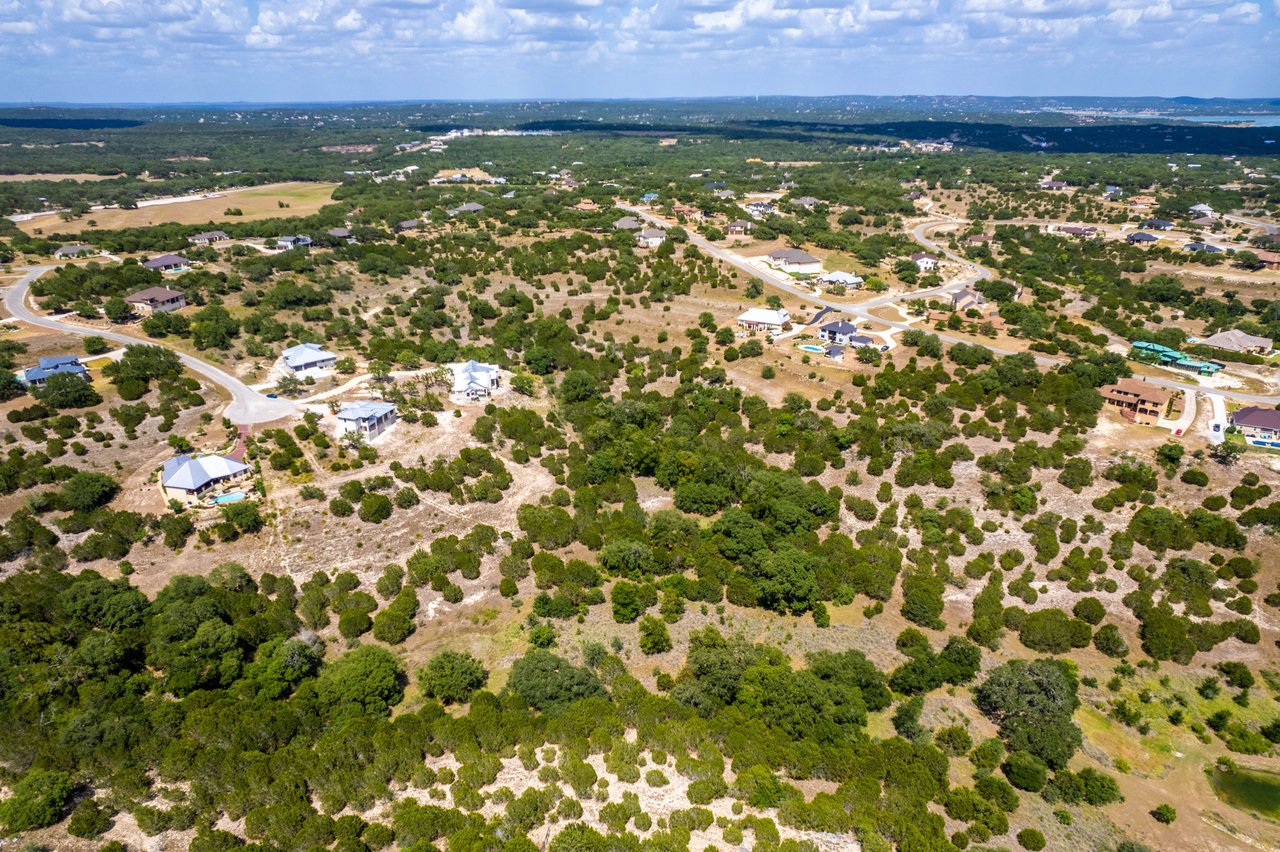
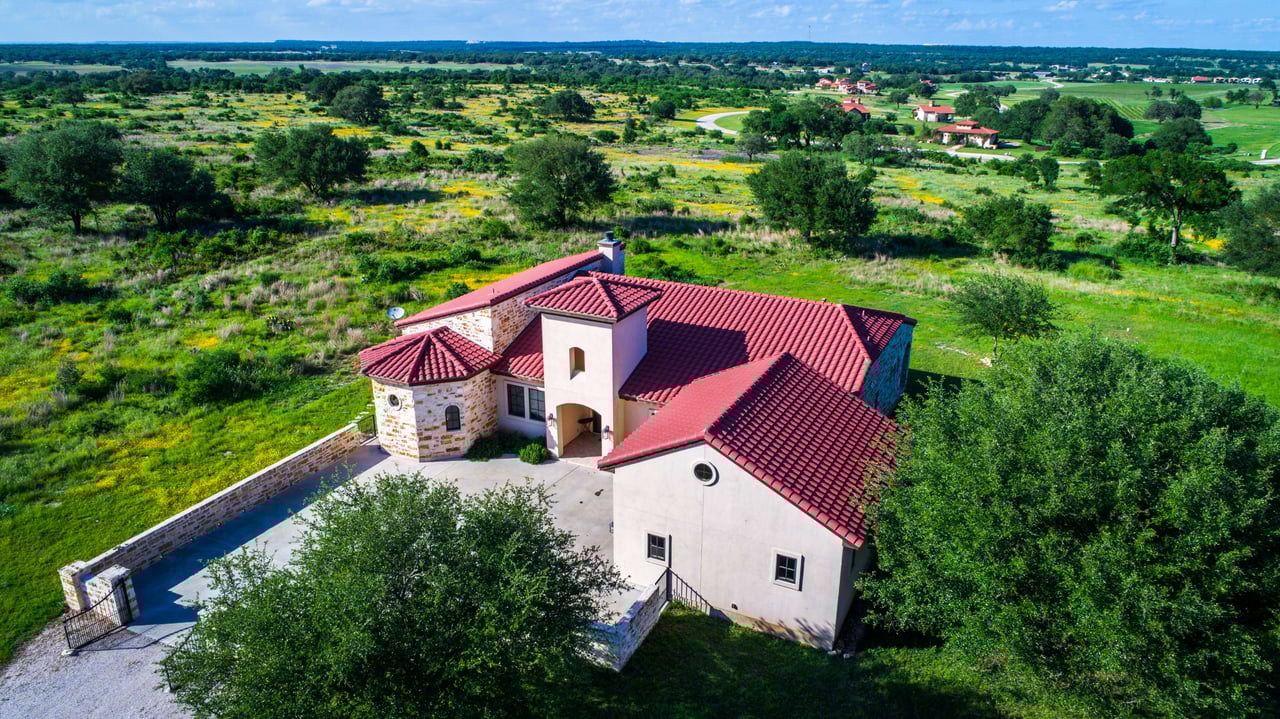
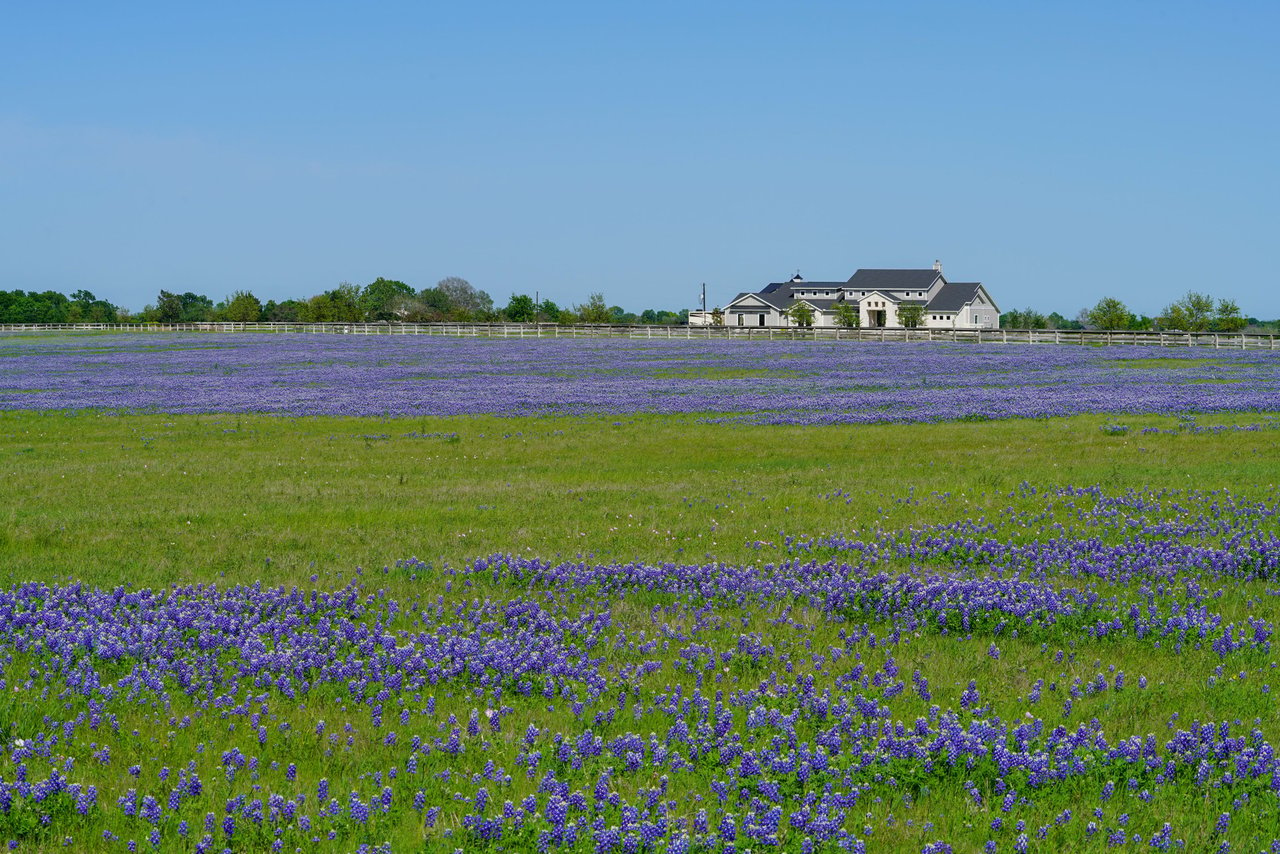
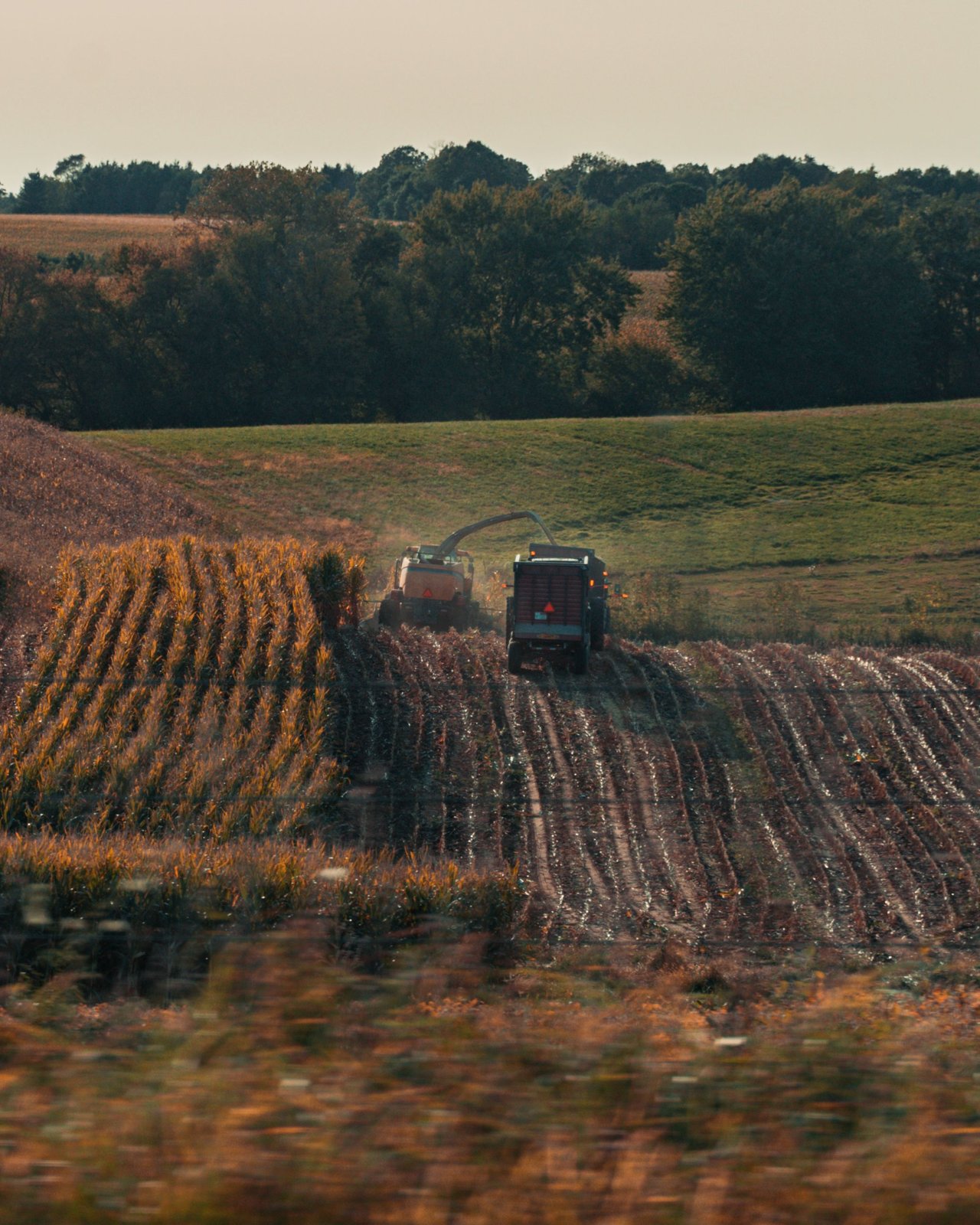
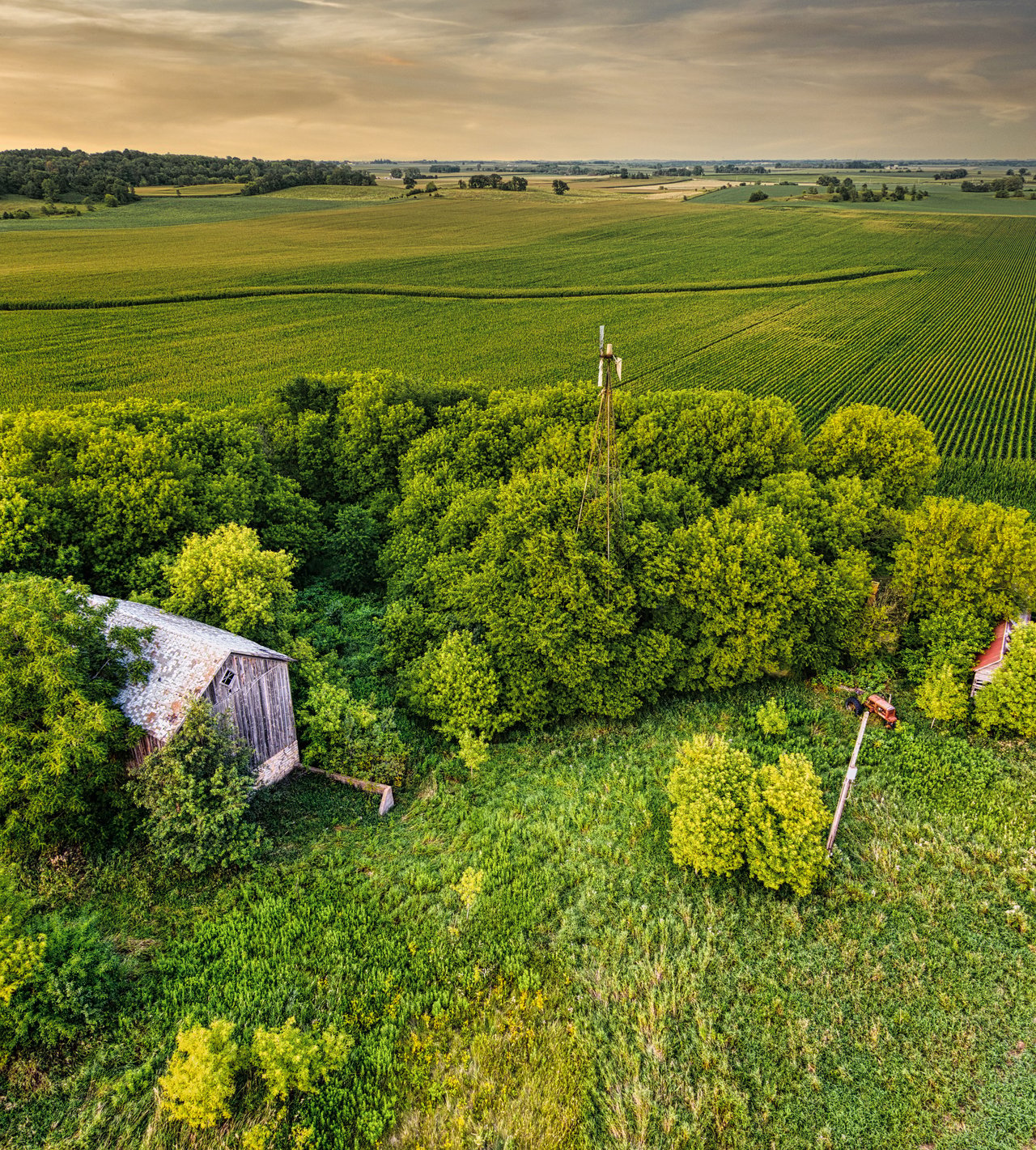
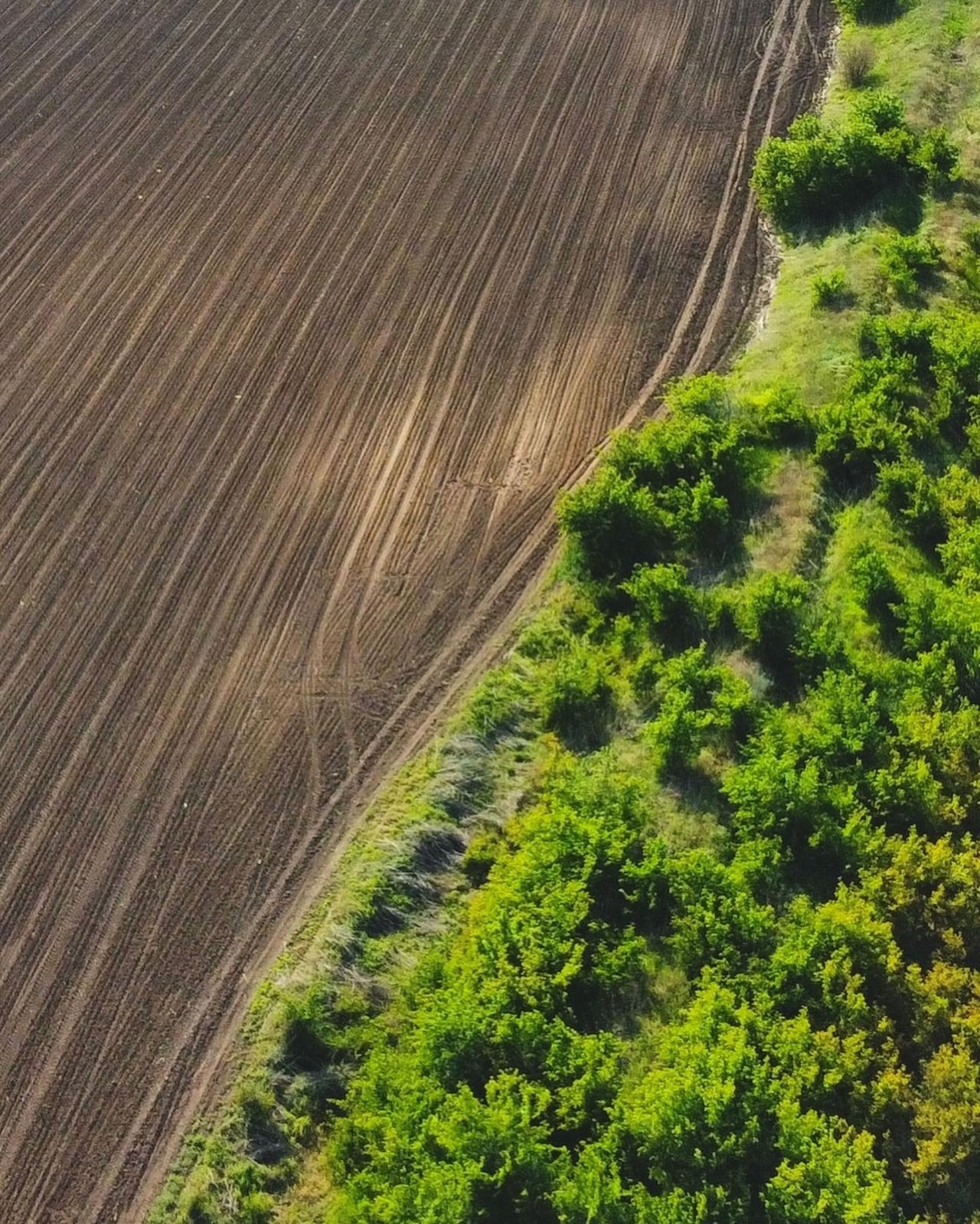
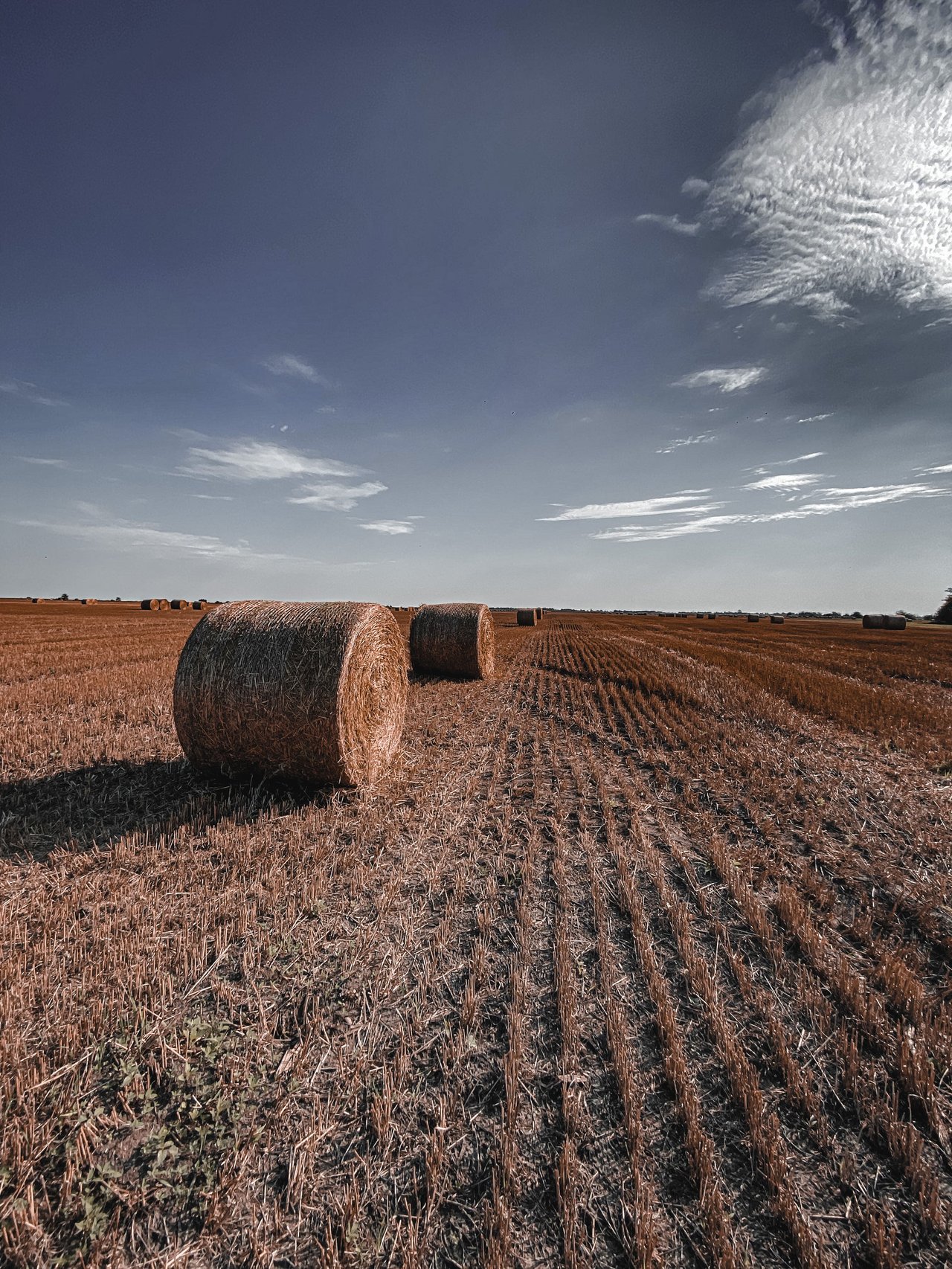
In many cases, it begins as agricultural land, ranch land, recreational acreage, or a long-term family holding. Over time, as growth moves outward, that same property may become attractive for residential development, commercial use, industrial projects, mixed-use development, or long-term investment.

This does not mean every farm or ranch should be developed. It simply means the market may begin valuing the property differently than it did in the past.

A tract that was once valued primarily for hay production, cattle, crops, or recreation may also have additional value because of its location, road frontage, utility access, wastewater proximity, or position within a growth corridor. That is what makes transitional land so important for landowners to understand.
main

Why Transitional Land Matters Near Austin

As Austin continues to grow, land surrounding the city is becoming increasingly valuable, especially in areas where infrastructure, employers, roads, utilities, and population growth are expanding.

Some of the most active transitional land markets near Austin include:

  • Taylor
  • Hutto
  • Manor
  • Coupland
  • Georgetown
  • Thorndale
  • Elgin
  • Pflugerville
  • Rockdale

Many properties in these areas have historically been used for farming, ranching, grazing, hay production, or long-term family ownership. But as growth continues moving east and northeast of Austin, developers, investors, builders, commercial users, and land funds are evaluating some properties differently.

For many families, land that has been held for generations may now represent a major wealth-building opportunity.

 A living room with a fireplace, a couch, and a table.

From Farm Land to Development-Friendly Land

One of the most common situations we see is a property that is still actively used as agricultural land but may also have future development potential.

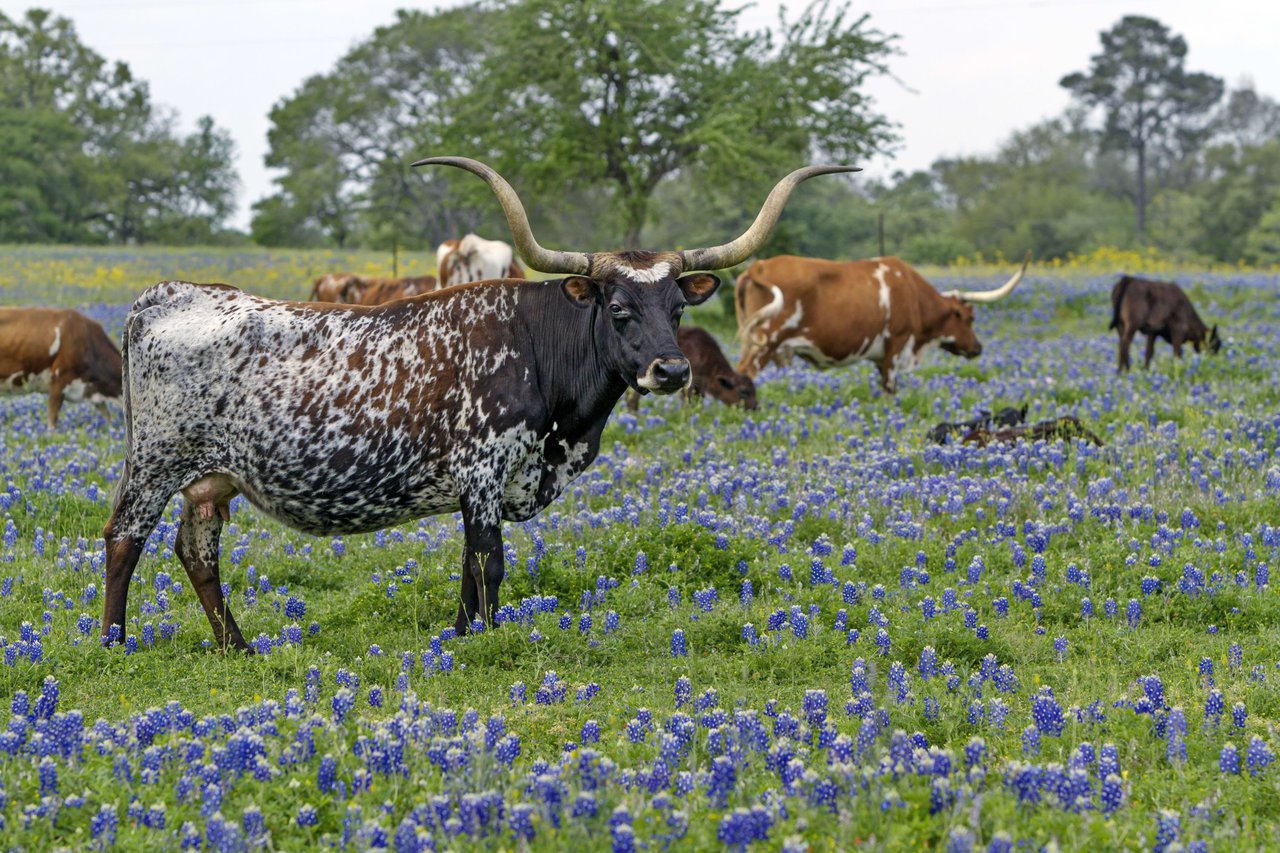
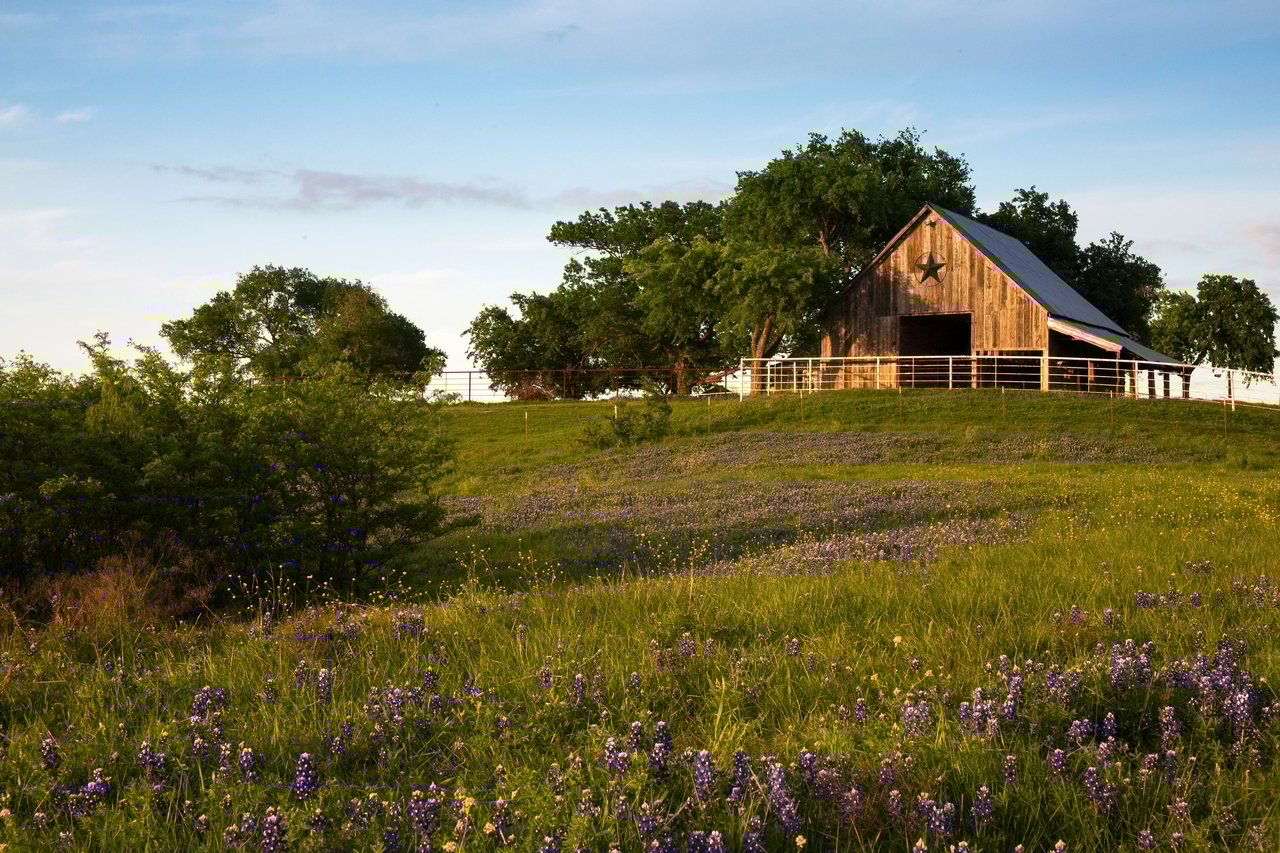
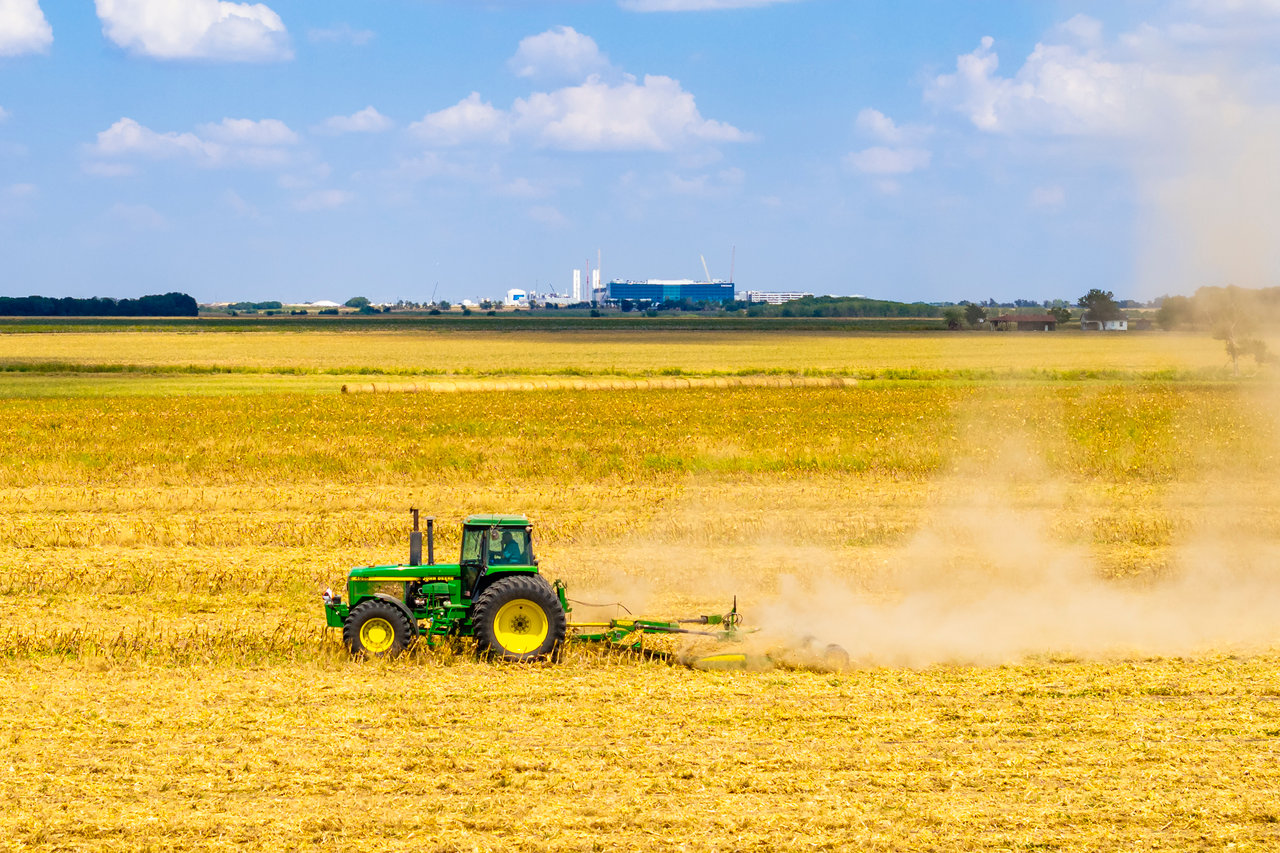
For example, a family farm may still be producing hay or crops today. A ranch may still support cattle or wildlife. A recreational tract may still be used for hunting or weekend enjoyment.

But if that same property is located near a major roadway, future utility extension, wastewater line, employment center, or expanding city, the market may begin viewing it as more than agricultural land.

Transitional land may eventually shift from:

  • Farm land to residential development
  • Ranch land to master-planned communities
  • Agricultural land to commercial development
  • Rural acreage to industrial or logistics use
  • Investment land to mixed-use development
  • Family land to long-term development holdings

Again, this does not mean development is guaranteed. It means the property may deserve a deeper valuation than simply comparing it to nearby agricultural sales.

main

Why Highest and Best Use Matters

One of the most important concepts in land valuation is highest and best use. Highest and best use refers to the most valuable legal and practical use of a property.

A property may currently be used for agriculture, but if surrounding growth, utilities, road access, and market demand point toward future development, the highest and best use may eventually be different from the current use.

Two properties with the same acreage can have very different values depending on:

  • Location
  • Road frontage
  • Utility access
  • Wastewater availability
  • Topography
  • Floodplain
  • Surrounding development
  • Future transportation plans
  • Buyer demand
  • Development potential

This is why landowners should be cautious about relying only on price-per-acre comparisons. Land is not a commodity. Location, usability, access, and future potential matter.

main

Common Signs Your Property May Be Transitional Land

Every property is different, but certain characteristics may indicate that land deserves further evaluation.

Your property may have transitional potential if it has:

  • Significant road frontage
  • Large contiguous acreage
  • Nearby water service
  • Nearby wastewater infrastructure
  • Electric access
  • Limited floodplain
  • Usable topography
  • Proximity to major employers
  • Location near a growing city
  • Position along a major corridor
  • Commercial activity nearby
  • Nearby residential or industrial development
  • Interest from developers or investors
  • Future roadway or infrastructure improvements nearby

The presence of one or two of these factors does not guarantee development potential. But when several of them exist together, the property may be worth more than its current agricultural, ranch, or recreational use.

main

Why Growth East of Austin Is Creating Transitional Land Opportunities

Some of the strongest land value conversations near Austin are happening east and northeast of the city.

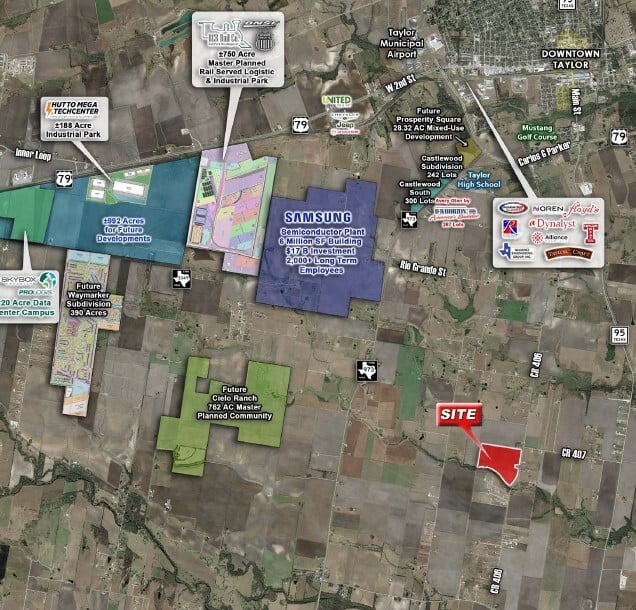
Taylor, Hutto, Manor, Coupland, Georgetown, Thorndale, Elgin, Pflugerville, and Rockdale are attracting attention because of major employment, transportation, infrastructure, and industrial growth.

Several key economic drivers are influencing the region, including:

  • Samsung semiconductor campus in Taylor
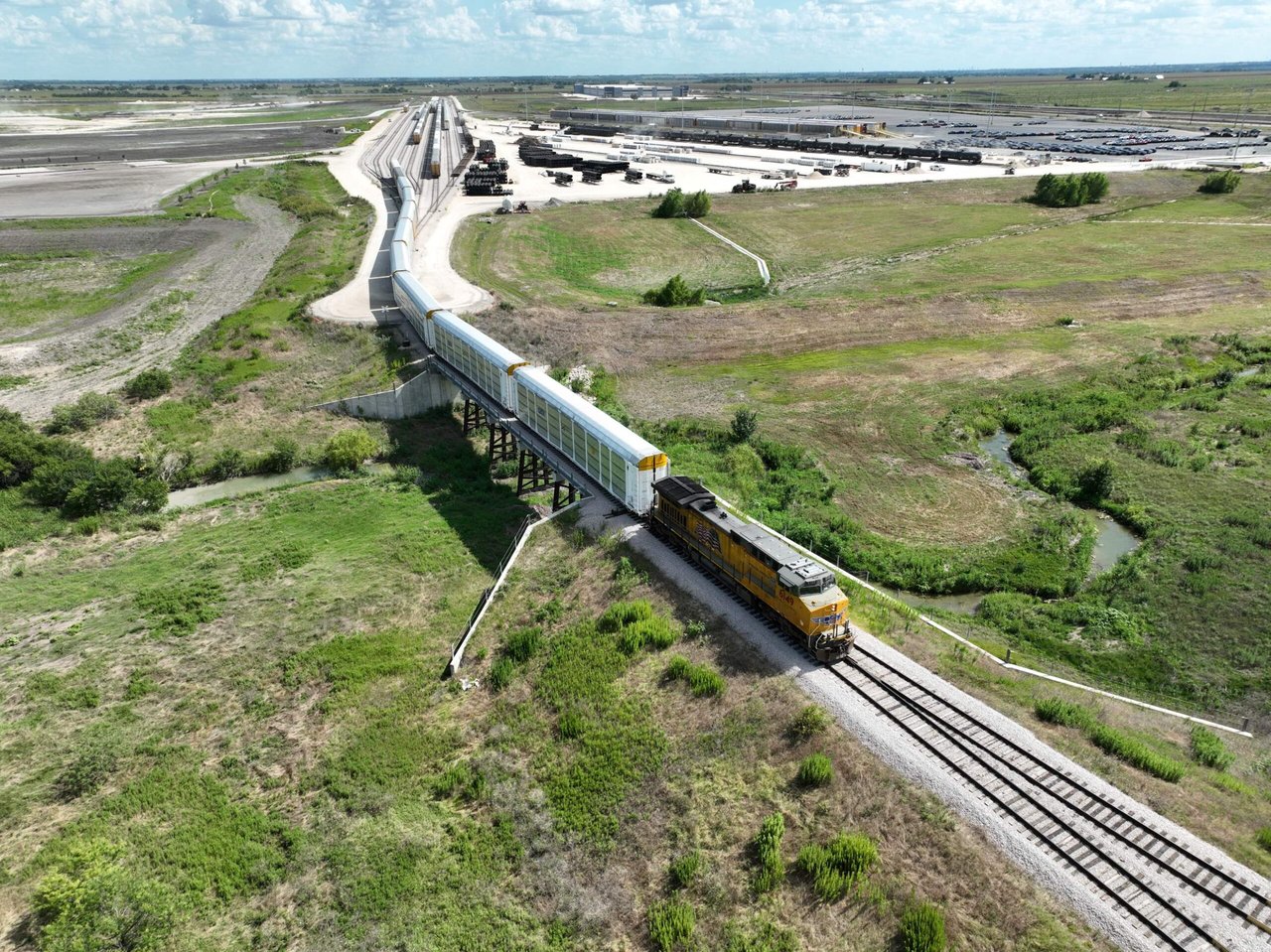
  • RCR Taylor Rail Logistics Park
  • The Hutto Megasite
  • Applied Materials in Hutto
  • Sandow Lakes Ranch near Rockdale
  • The Highway 79 growth corridor
  • SH 130
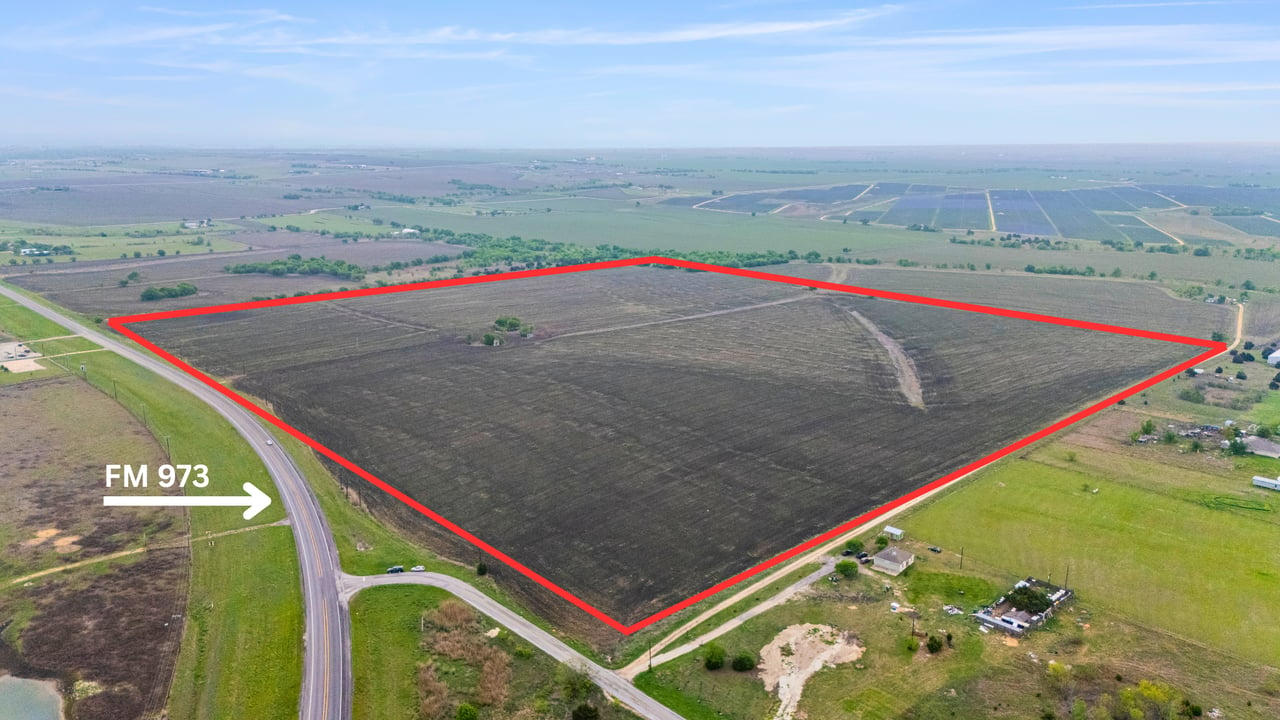
  • FM 973
  • FM 1660
  • Regional transportation improvements

As these projects continue shaping the region, land that was once viewed only as farmland or ranchland may begin attracting interest from developers, commercial users, investors, and land funds.

For landowners, understanding where their property sits within this growth pattern can be critical.

main

Transitional Land Does Not Always Mean You Should Sell

Not every landowner wants to sell. Some families choose to hold their land for future appreciation. Others continue farming, ranching, or using the property recreationally while monitoring growth. Some investors hold strategically while infrastructure moves closer.

The key is understanding your options. If you do not understand your property potential, it becomes much easier to undervalue it, accept the wrong offer, or make decisions without the full picture.

Knowing whether your land is transitional allows you to make informed decisions instead of reacting to unsolicited offers or speculation.

main

Why Online Estimates Often Miss Transitional Land Value

Online real estate estimates are usually designed for houses, not land.

They often miss the factors that matter most when evaluating transitional land, including:

  • Utility availability
  • Wastewater proximity
  • Road frontage
  • Future infrastructure plans
  • Commercial demand
  • Development potential
  • Highest and best use
  • Growth corridor positioning
  • Developer demand
  • Property configuration

For transitional land, a basic online valuation may dramatically understate the property real market potential. This is where specialized land knowledge matters.

main

Common Mistakes Landowners Make With Transitional Land

One of the biggest mistakes landowners make is assuming their property is only worth what nearby agricultural land sold for.

Another common mistake is talking to only one buyer. If a developer, investor, or commercial user approaches you directly, it may feel flattering. But one offer does not always represent full market value.

Landowners also sometimes focus only on price and overlook deal structure. Terms, contingencies, timing, feasibility periods, takedowns, seller financing, and closing certainty can all have a major impact on the final outcome.

Selling transitional land is not the same as selling a house. The dirt may look simple. The deal usually is not.

main

Why Work With Triple L Realty

Understanding transitional land requires more than reviewing nearby sales. It requires knowledge of land values, utilities, road frontage, infrastructure, growth corridors, development potential, commercial demand, and highest-and-best-use analysis.

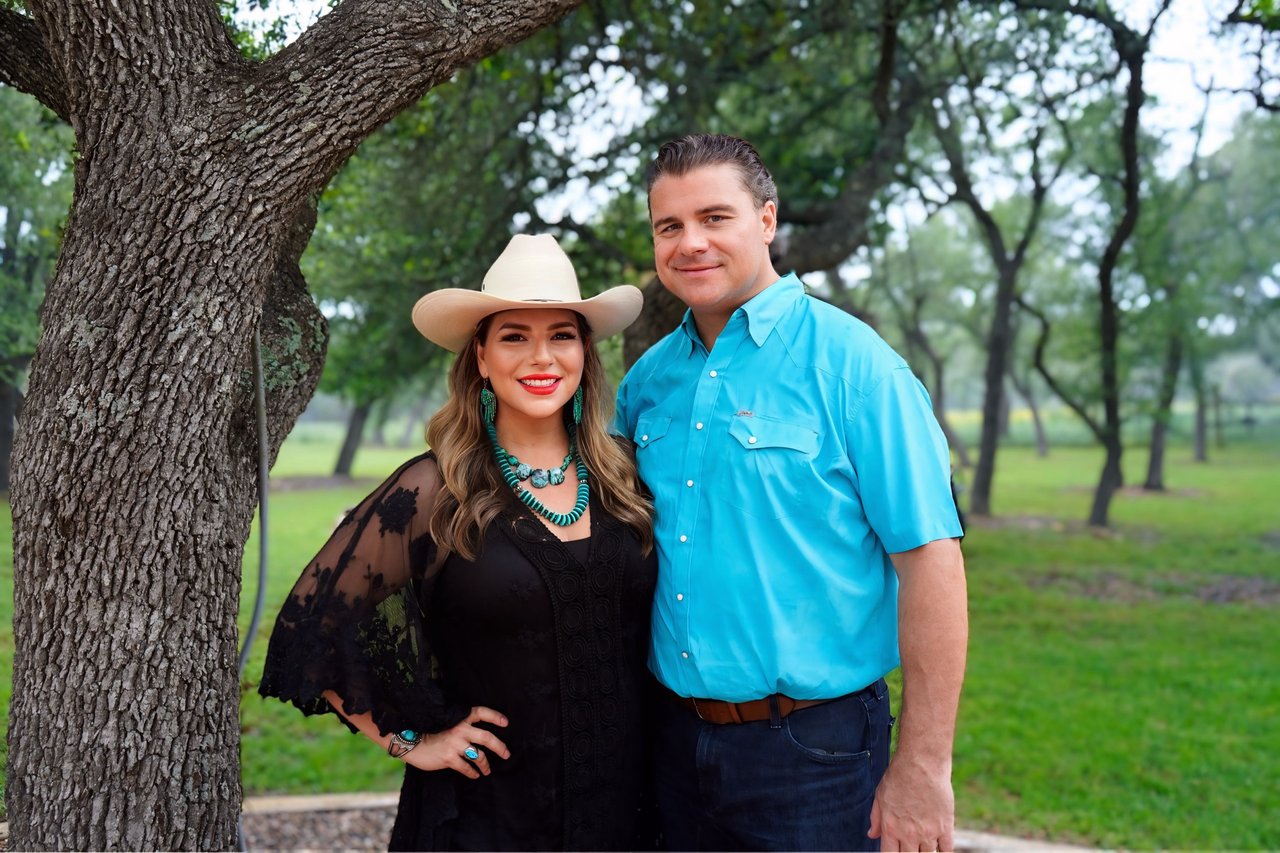
Josh and Marisa Smith help landowners, investors, ranch owners, and family land holders understand how the market may be evaluating their property today.

Whether you own a farm, ranch, investment tract, commercial property, or acreage located in the path of growth, our goal is to help you understand your options before making a major decision.

Because who you work with matters.

Wondering If Your Land Is Transitional Land?

If you own acreage near Austin, especially in a growing area like Taylor, Hutto, Manor, Coupland, Georgetown, Thorndale, Elgin, Pflugerville, or Rockdale, your property may be worth more than you realize.

Request a confidential property evaluation and learn how growth, infrastructure, utilities, and market demand may be influencing your land value.

main

How Much Is My Land Worth?

Work With Us

Josh & Marisa Smith combine high-level strategy, market intelligence, and skilled negotiation to represent clients across some of Central Texas’ most valuable luxury and land assets. Whether representing a multi-generational landowner preparing to transition a long-held family property, or helping a buyer secure the right ranch, estate, or investment opportunity, every transaction is handled with precision, discretion, and a clear understanding of long-term value. With expertise and experience in complex, high-value, and often discreet land deals, Josh & Marisa understand that real estate is often more than a sale — it’s a decision that can shape a family’s future for generations. Through Triple L Realty, clients receive personalized guidance, strong communication, and hands-on representation before, during, and after the process. The focus is simple: protect what matters most, maximize opportunity, and deliver results at the highest level.