Many landowners are surprised to learn their property may have additional value based on location, infrastructure, utilities, and future growth patterns. Understanding development potential is often the first step toward understanding your property's true market value.
One of the most common questions landowners ask is:
"Does my land have development potential?"
The answer depends on many factors.
Development potential refers to the possibility that a property may be suitable for future residential, commercial, industrial, mixed-use, or investment-related development.
Not every property has development potential.
However, as Austin continues growing and infrastructure expands throughout the surrounding region, many farms, ranches, and investment properties are being evaluated differently than they were even a few years ago.
Understanding whether your property may attract interest from developers, investors, builders, or commercial users can help you make more informed decisions about the future.
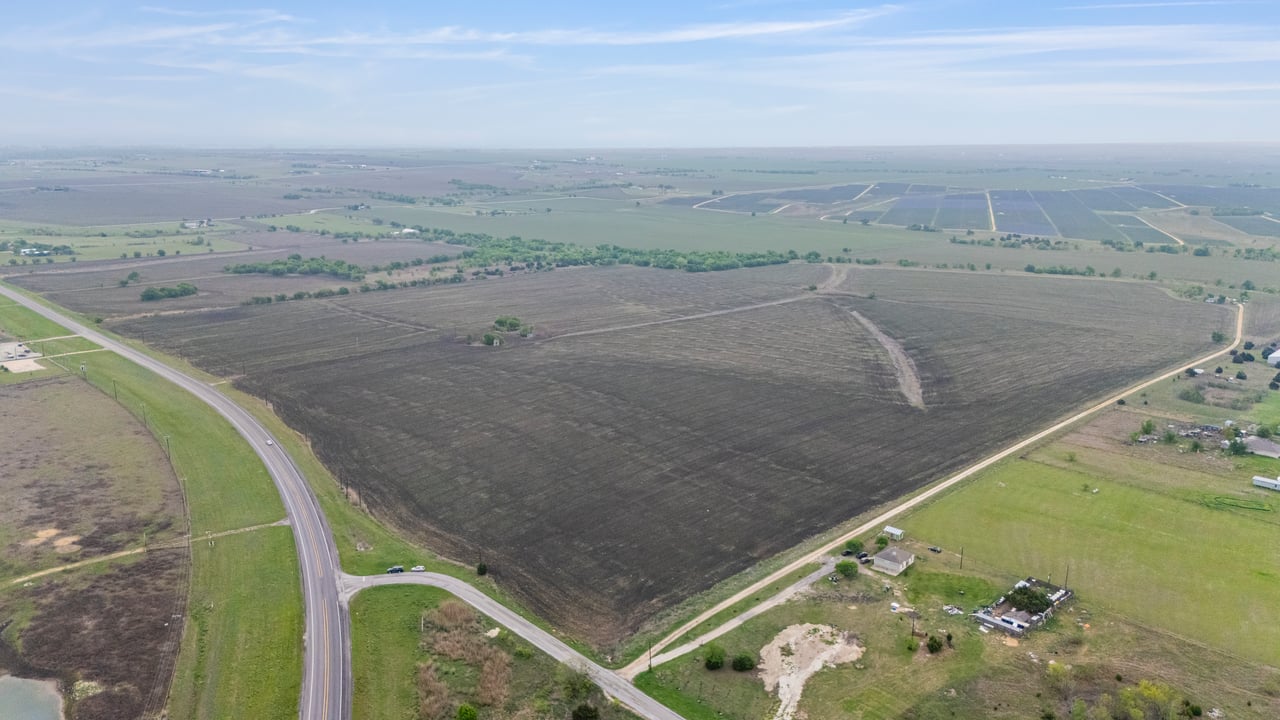
Two properties with similar acreage can have dramatically different values.
Why?
Because developers evaluate much more than acreage alone.
A property's location, access, infrastructure, utilities, and surrounding development activity often influence how it is viewed by the market.
In many cases, a property's highest and best use may be different from its current use.
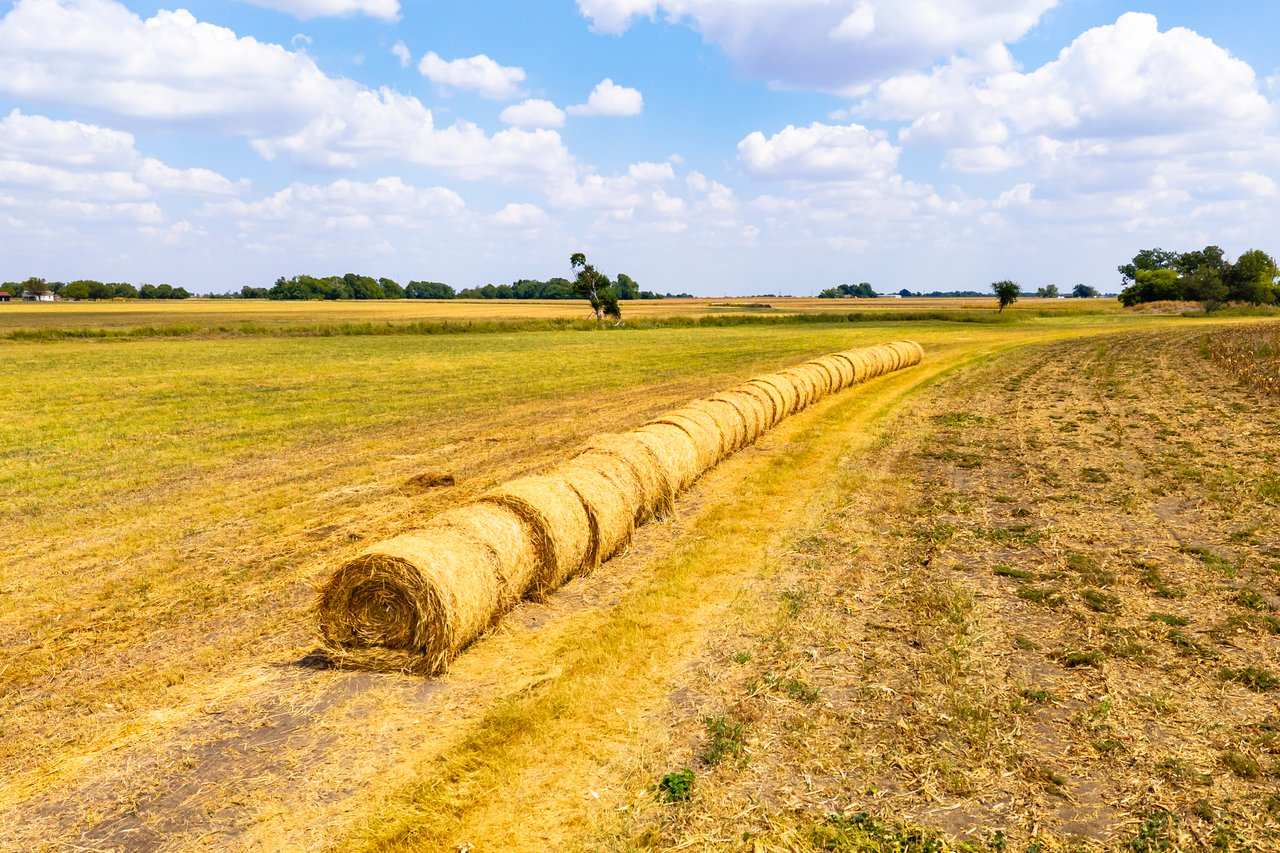
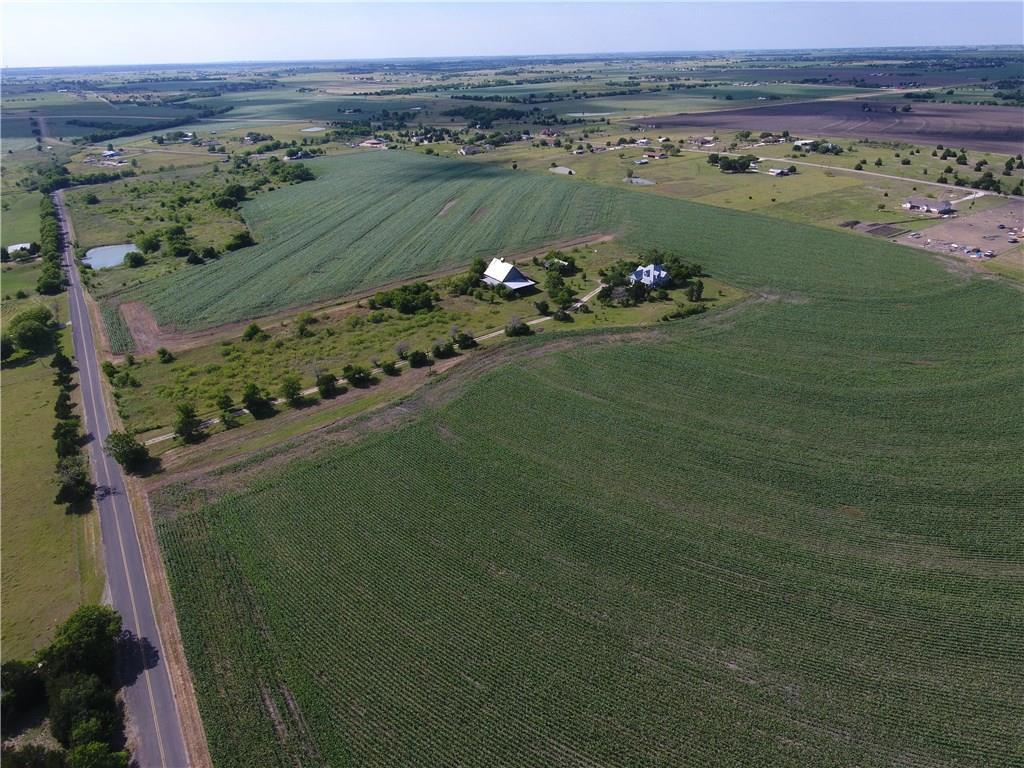
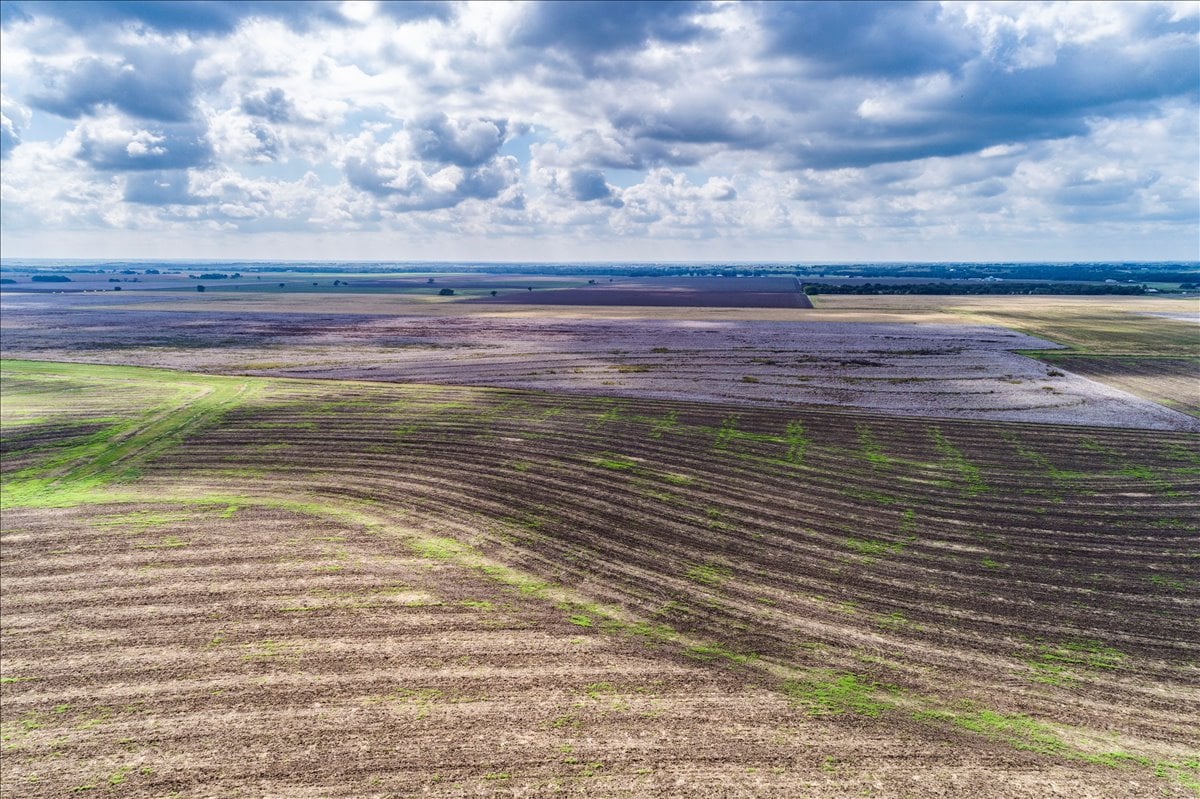
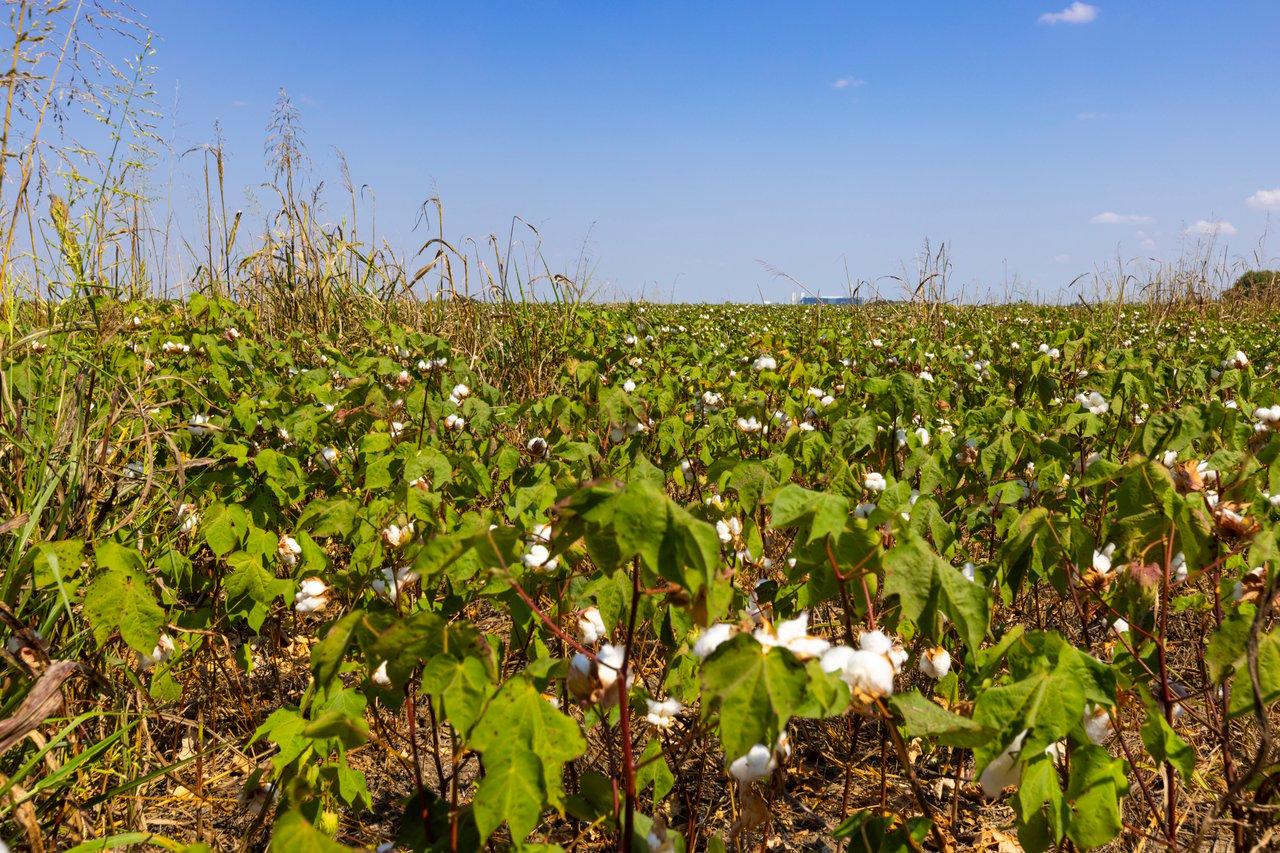
A working farm, cattle ranch, hay operation, or recreational property may still be highly productive today while also possessing future development potential.
Many landowners are surprised to learn that a property can be both productive agricultural land today and attractive development land tomorrow.
At Triple L Realty, we often refer to these properties as development-friendly land or transitional land.
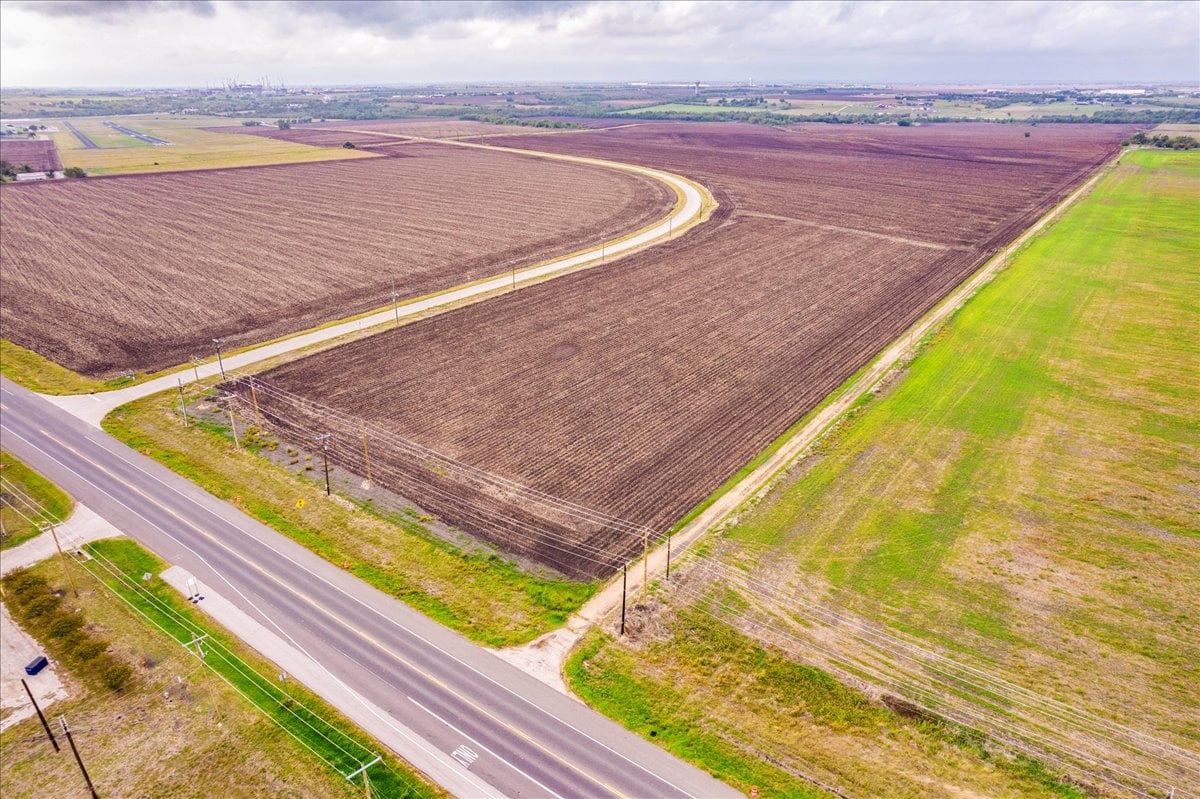
Transitional land is typically property that sits between its current agricultural or rural use and a potential future use.
For example, a family farm producing hay, row crops, or cattle may still be operating exactly as it has for generations. However, if that same property is located near expanding infrastructure, major employers, utility extensions, transportation corridors, or growing communities, developers and investors may begin evaluating it differently.
In some cases, land transitions from:
This does not mean development is guaranteed.
It simply means the market may recognize additional value beyond agricultural production alone.
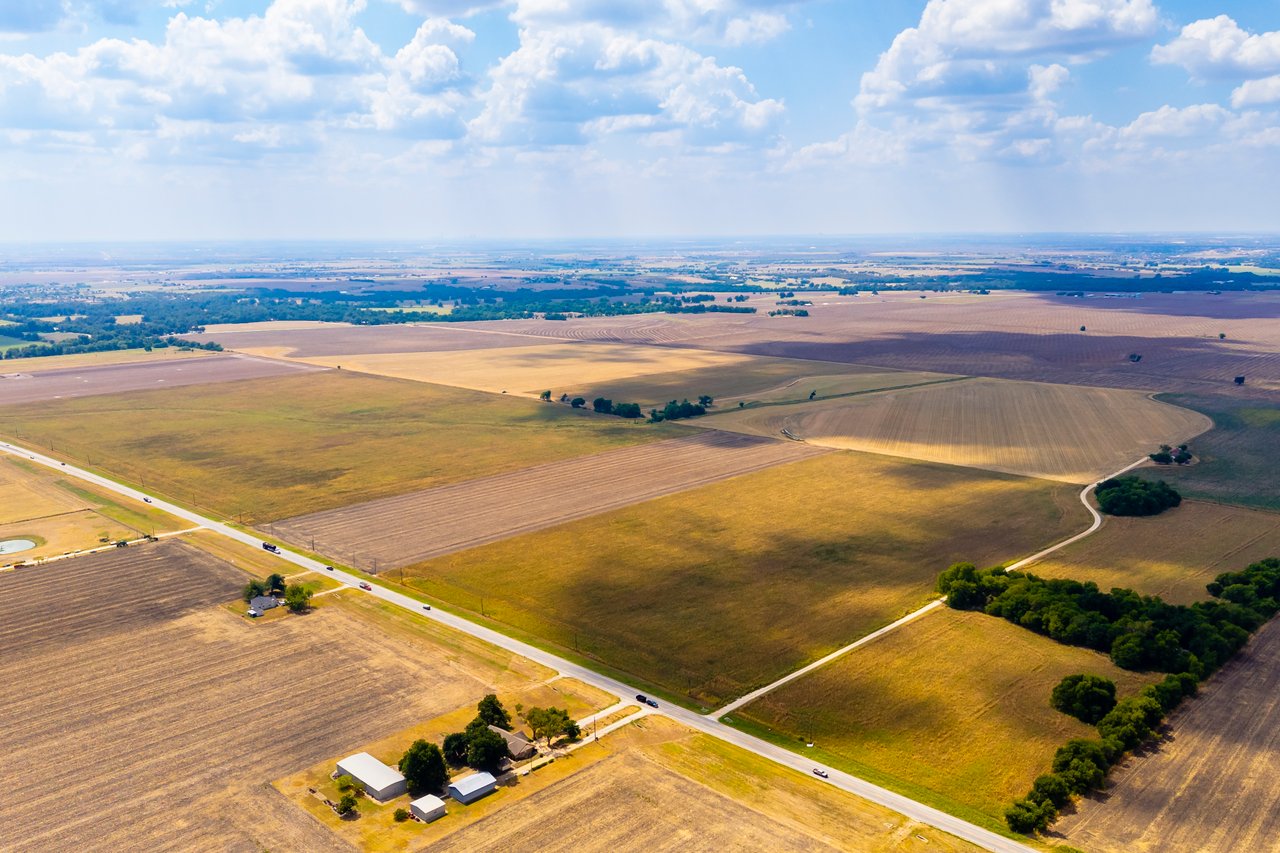
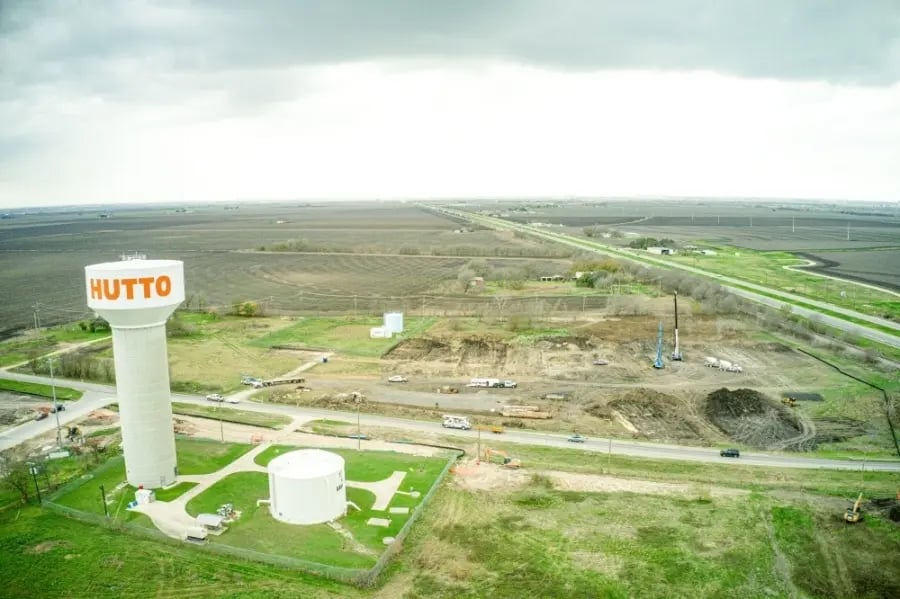
Throughout Taylor, Hutto, Manor, Coupland, Georgetown, Thorndale, Elgin, Pflugerville, and Rockdale, many properties are being evaluated not only for what they are today, but also for what they may become in the future.
Understanding whether your property falls into this category is often one of the most important factors in determining its true market value.
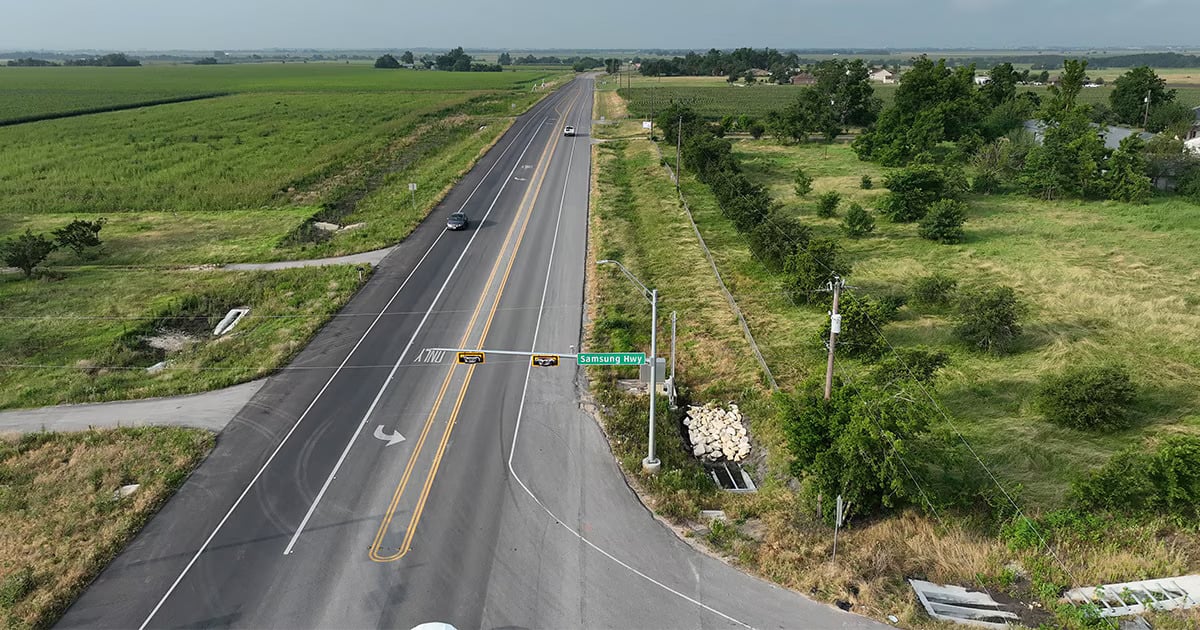
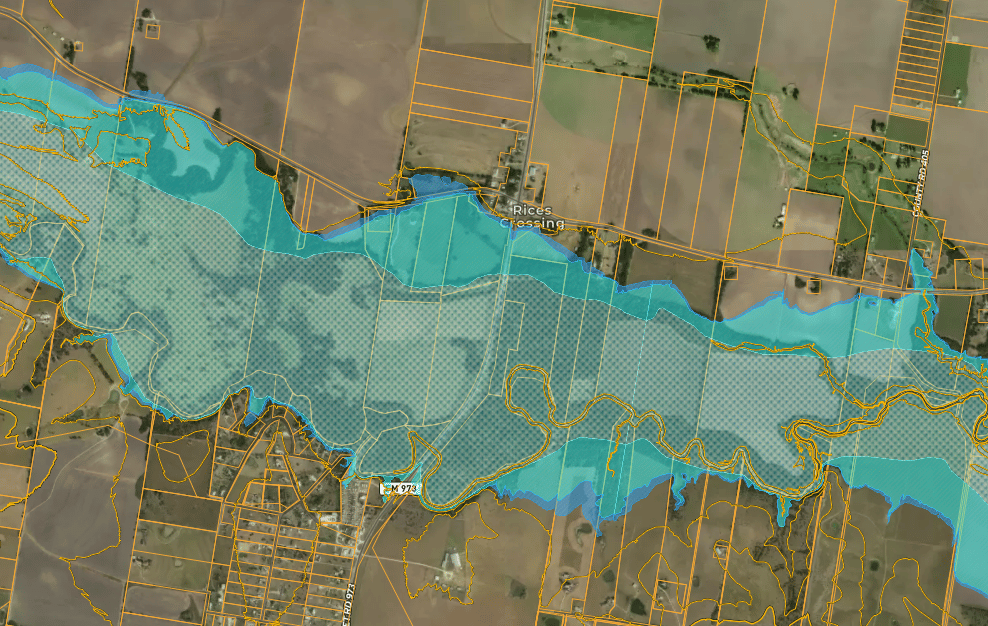
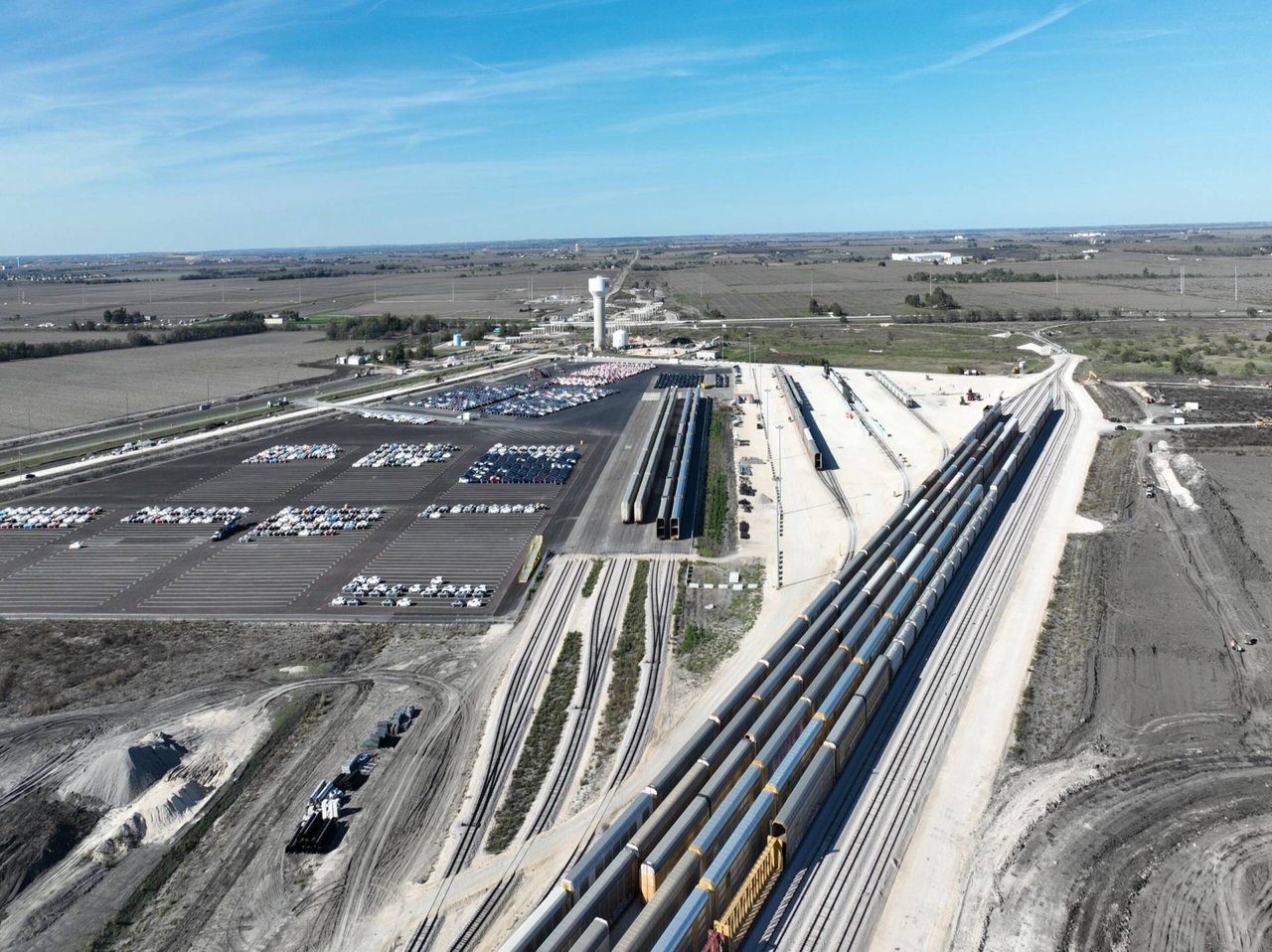
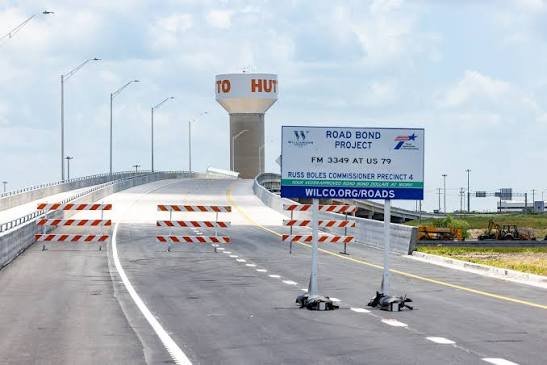
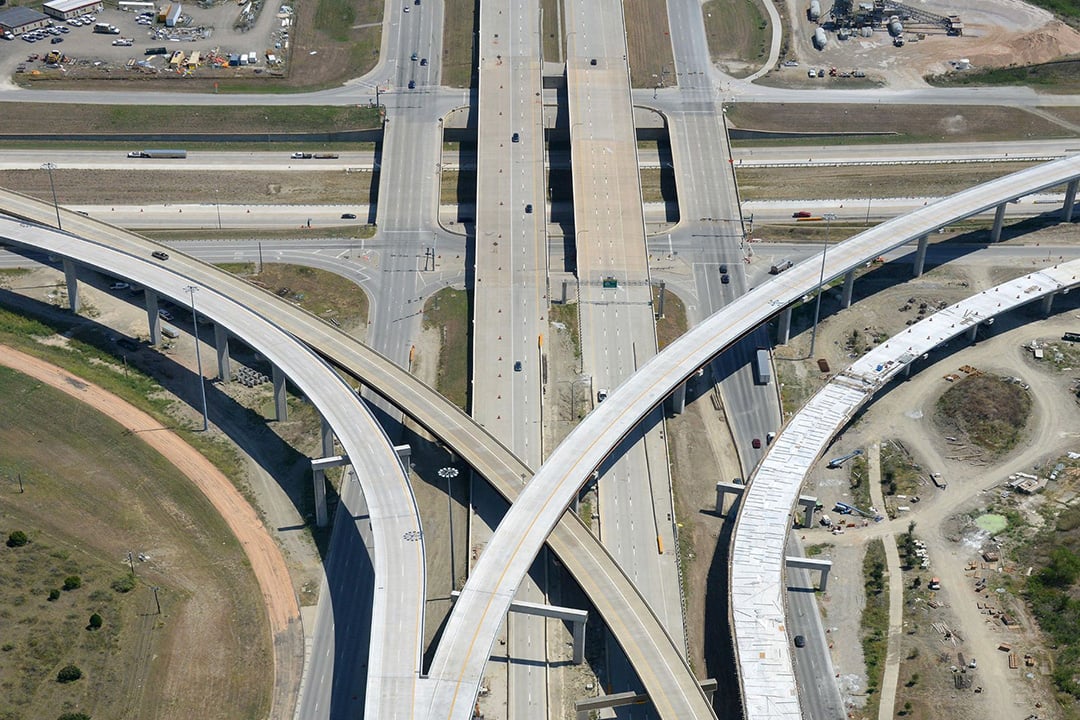
Additional transportation improvements, including projects along SH 130, the East Wilco Highway, FM 973, and other regional transportation corridors, continue opening new opportunities for growth and development.
As Austin expands outward, many landowners are discovering that property once viewed solely as farmland, ranchland, or recreational acreage may now possess additional value based on its location, infrastructure access, and future development potential.
For some families and investors, land that has been held for years may represent one of the most significant wealth-building opportunities they will ever encounter.
Understanding where your property sits within the path of growth is often one of the most important factors in determining its true market value.
When developers analyze a property, they typically look at several key characteristics.
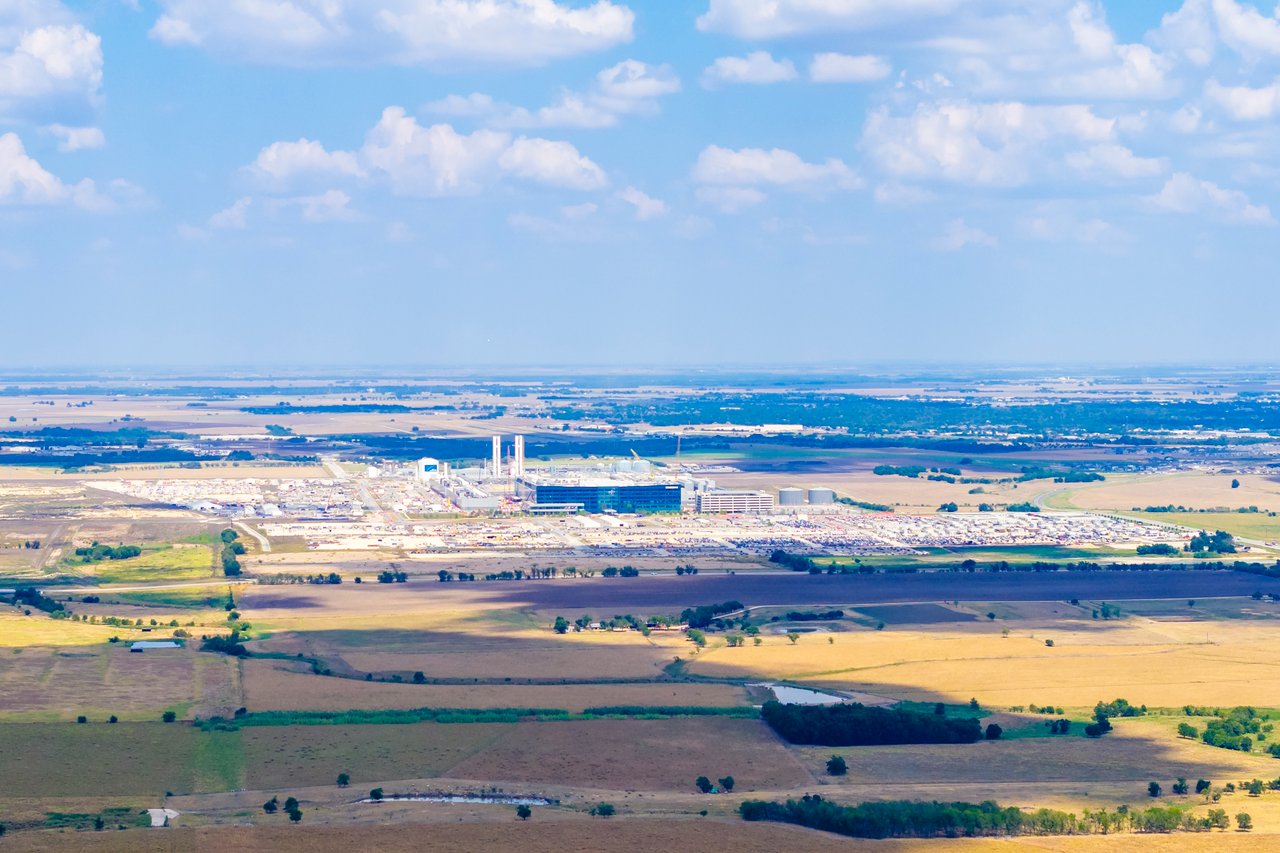
Some of the strongest growth in Texas continues occurring east and northeast of Austin.
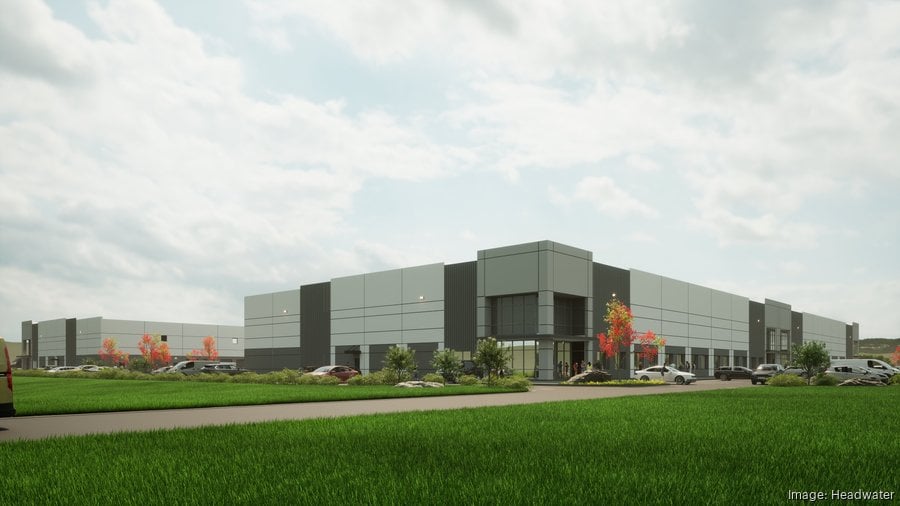
Communities such as Taylor, Hutto, Manor, Coupland, Georgetown, Thorndale, Elgin, Pflugerville, and Rockdale continue attracting attention from developers, investors, builders, and major employers.
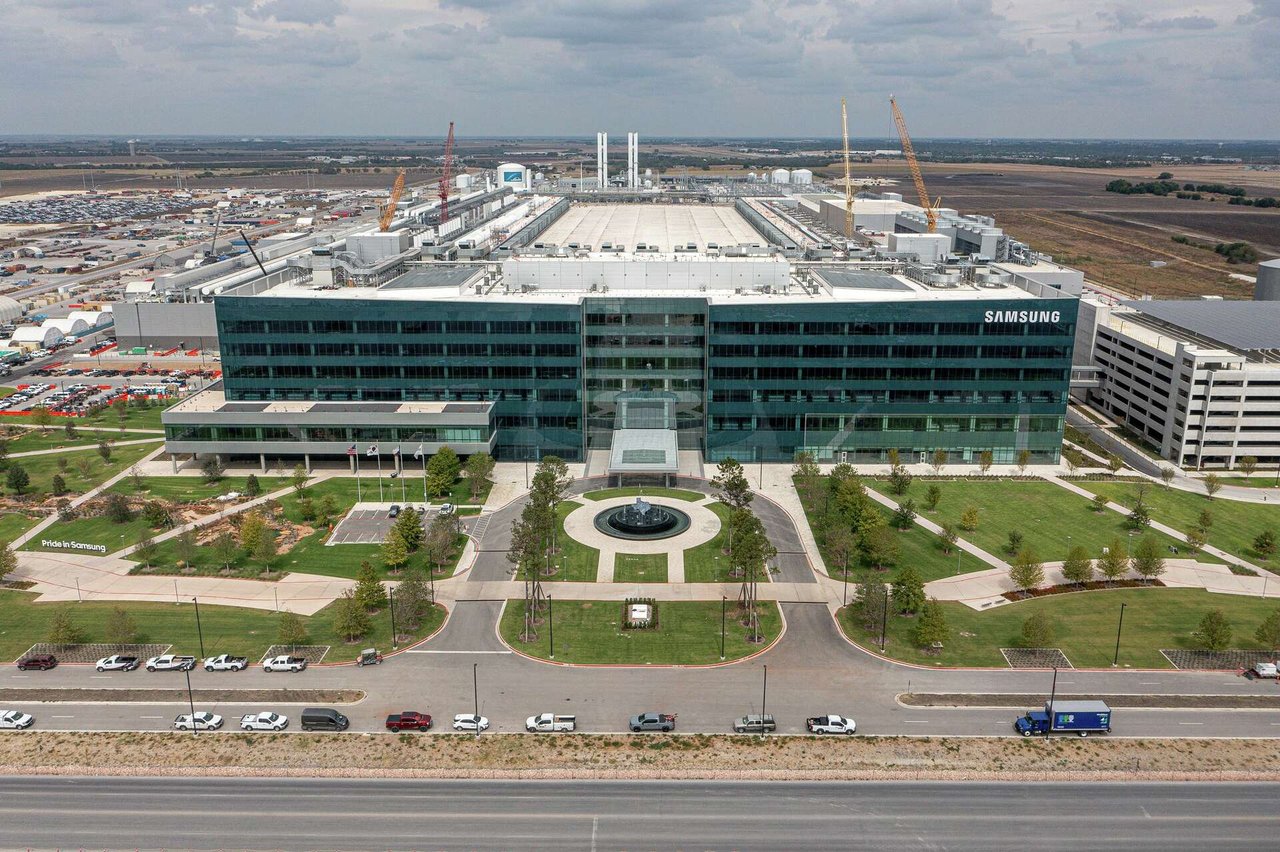
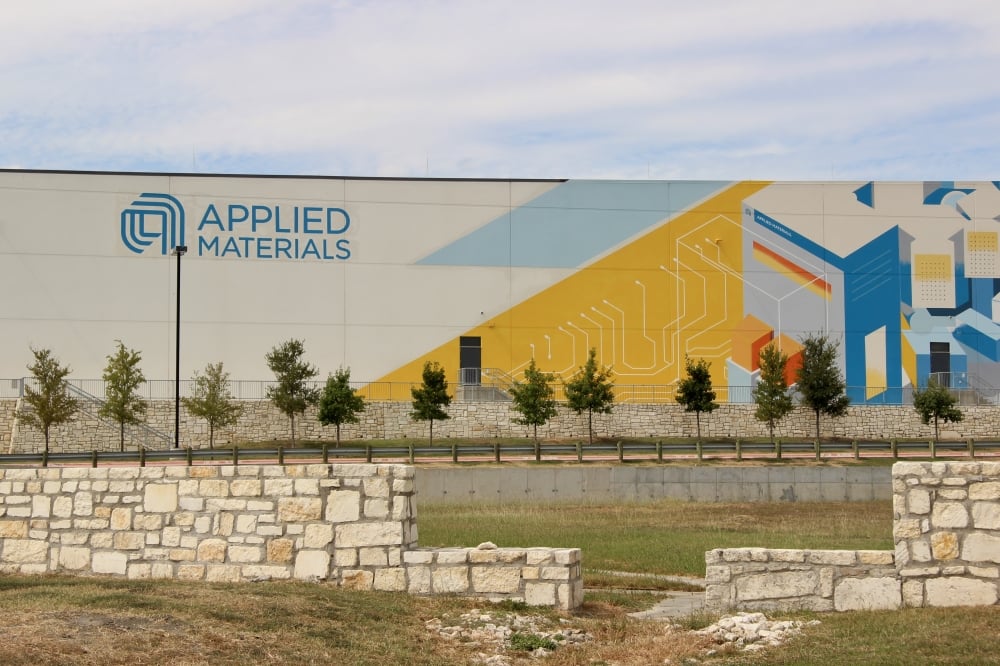
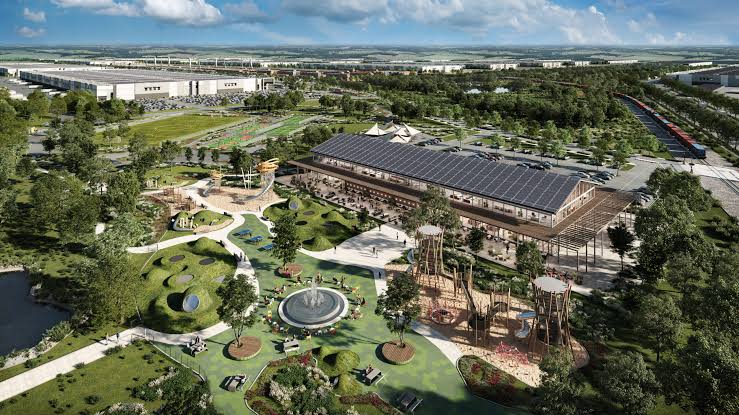
Several major economic drivers are contributing to this growth.
Not necessarily.
Some landowners choose to sell.
Others continue holding property for future appreciation.
Some families maintain agricultural operations while monitoring long-term growth trends.
Investors may choose to hold land strategically while infrastructure continues expanding.
The most important thing is understanding your options.
Knowing whether your property possesses development potential allows you to make informed decisions rather than reacting to unsolicited offers or market speculation.
Many development opportunities begin outside city limits.
Agricultural land can still possess future development potential.
Many developers purchase land based on future utility expansion plans.
Some of the most attractive properties remain largely unnoticed until infrastructure reaches a certain point.
Understanding market conditions before receiving offers can help landowners make better decisions.
One of the most important concepts in land valuation is highest and best use.
Highest and best use refers to the most valuable legal and practical use of a property.
A property currently used for:
may still possess additional value because of future growth patterns.
Determining highest and best use often requires evaluating infrastructure, utilities, transportation corridors, surrounding development, and market demand.
Selling land is different than selling a house.
Understanding growth corridors, infrastructure investments, utility availability, development trends, and highest-and-best-use analysis requires specialized experience.
Josh and Marisa Smith have represented landowners, investors, ranch owners, and developers throughout the Austin area and surrounding growth corridors.
From generational farms and ranches to investment tracts and development opportunities, our team helps clients understand the full potential of their property and position it to the right buyers.
We believe every landowner deserves to understand their options before making a decision.
Because who you work with matters
Request a confidential property evaluation and learn how growth, infrastructure, utilities, and market demand may be influencing your property's future opportunities.