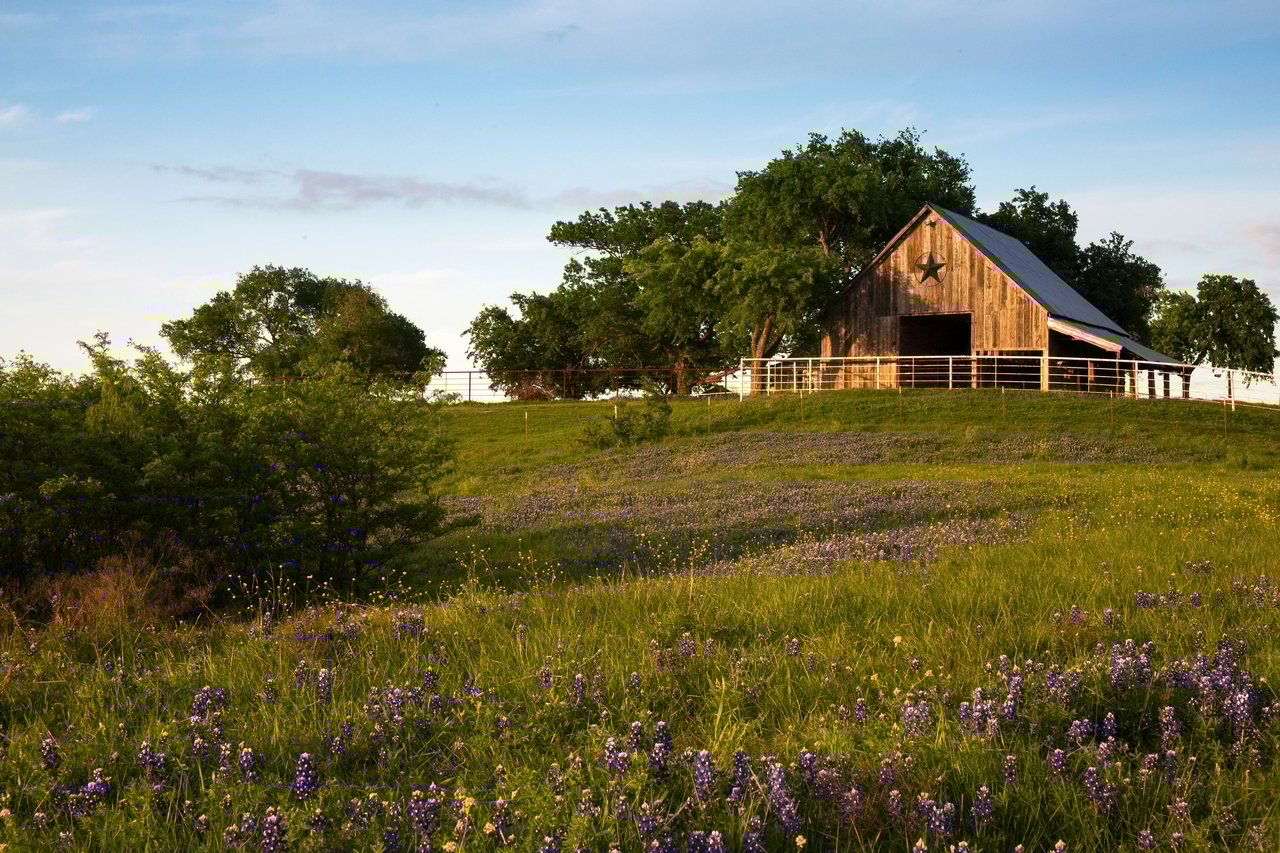
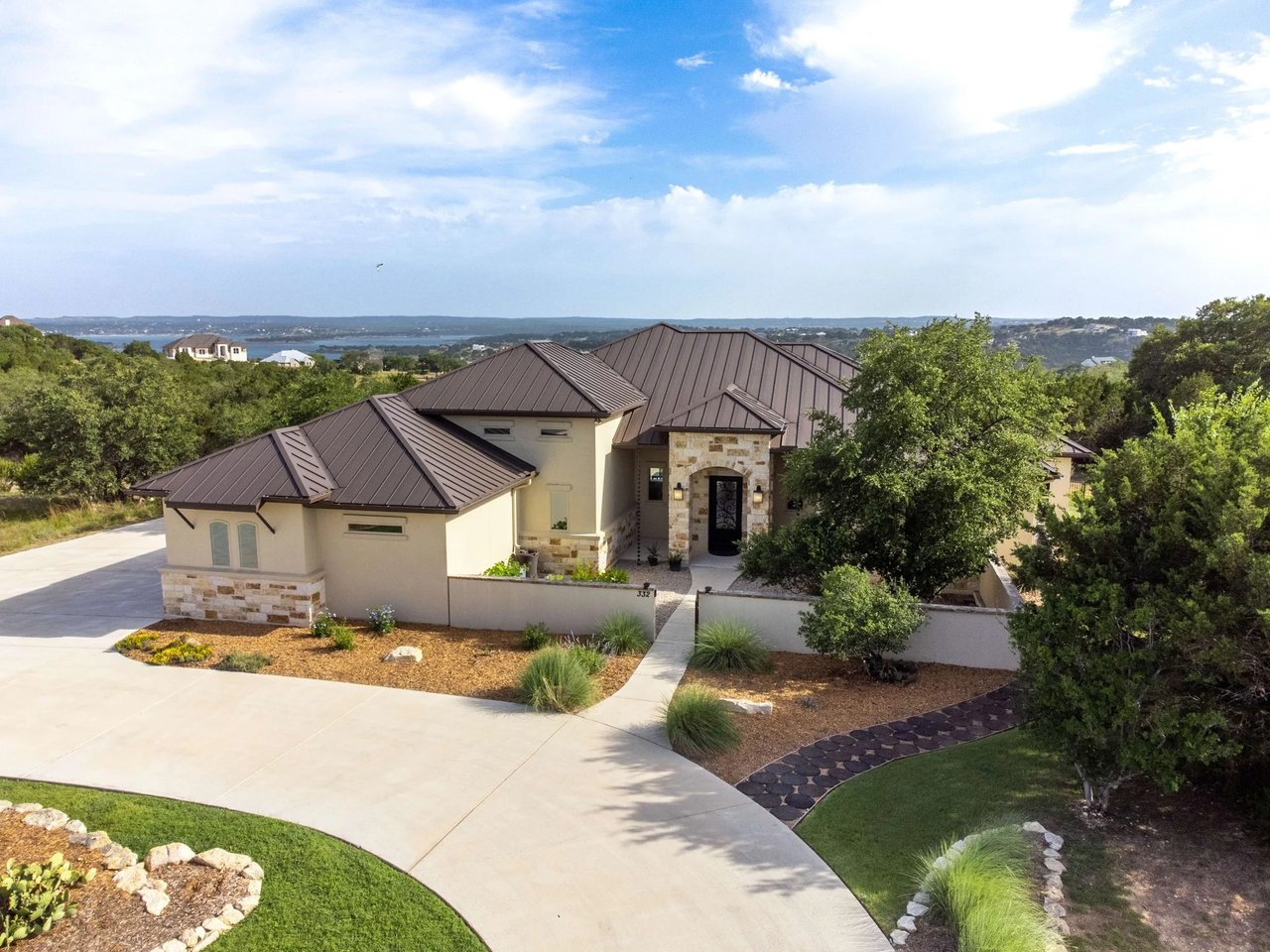
How to Sell a Ranch Near Austin, TX

How to Sell a Ranch Near Austin, TX

Selling a ranch is different than selling a home. Understanding land values, agricultural exemptions, water features, wildlife, improvements, and buyer demand can help maximize your property's value.

main

Selling a Ranch Is Different Than Selling a Home

Ranches are some of the most unique and valuable properties in Texas.

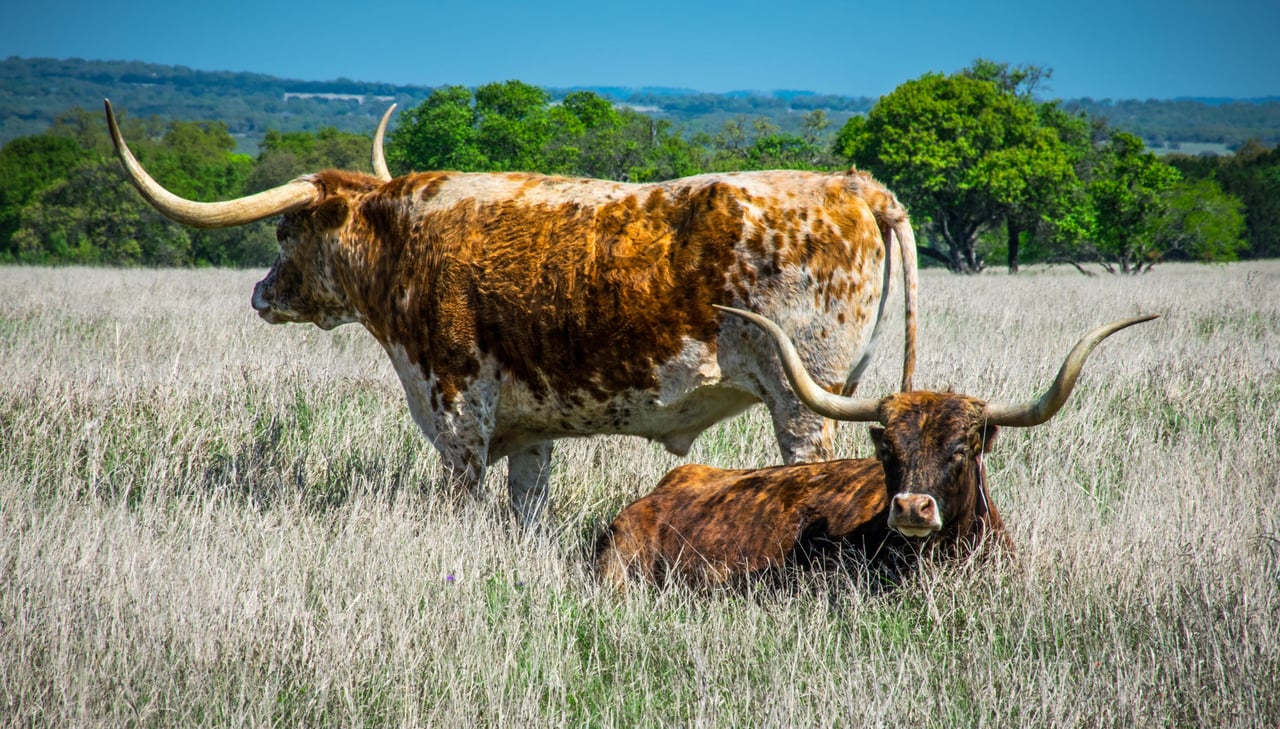
Whether you own a working cattle operation, recreational ranch, horse property, hunting ranch, waterfront ranch, or multi-generational family property, selling a ranch requires a different approach than traditional residential real estate.

Buyers are evaluating far more than the home itself.

They are evaluating the land, water, wildlife, improvements, infrastructure, tax benefits, recreational opportunities, and long-term potential of the property.

Understanding what drives ranch value is often the first step toward a successful sale.
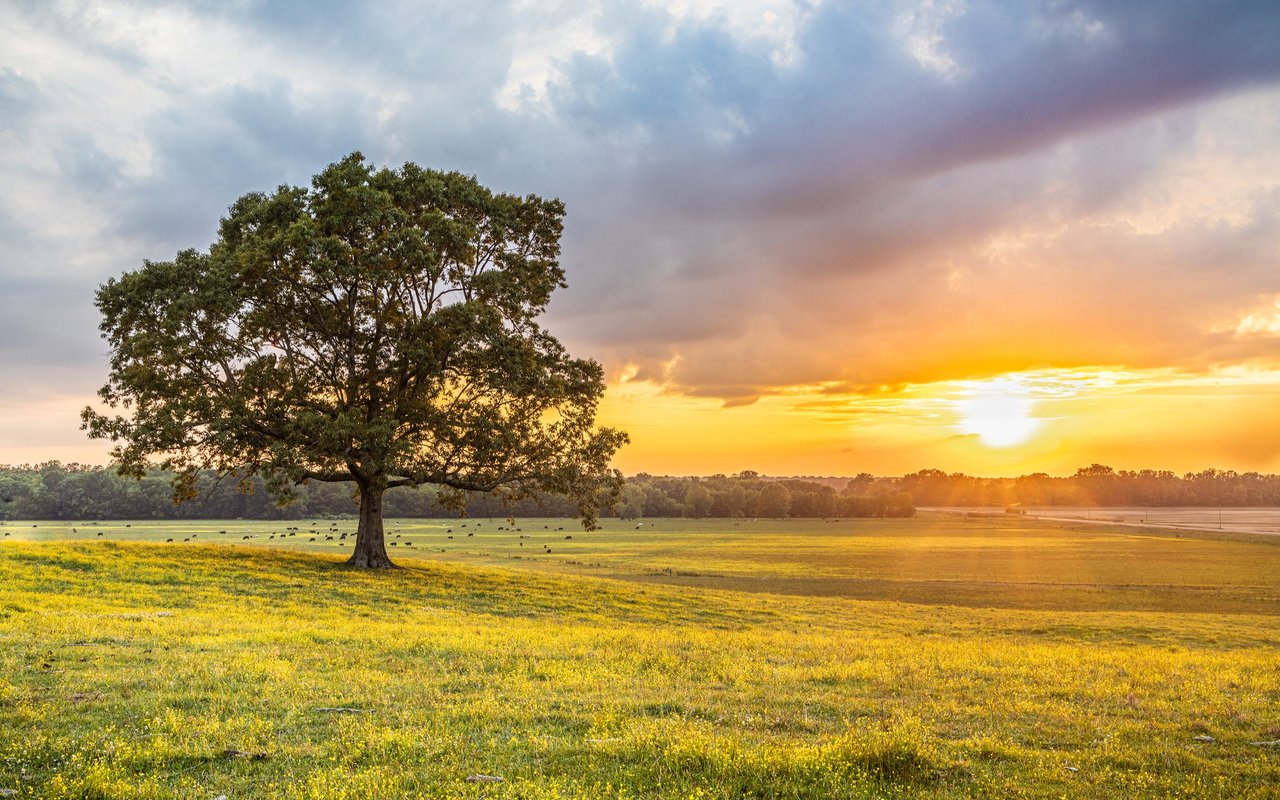
Understanding Ranch Value

One of the most common misconceptions among ranch owners is that value is determined solely by acreage.

While acreage is important, ranch buyers evaluate many additional factors.

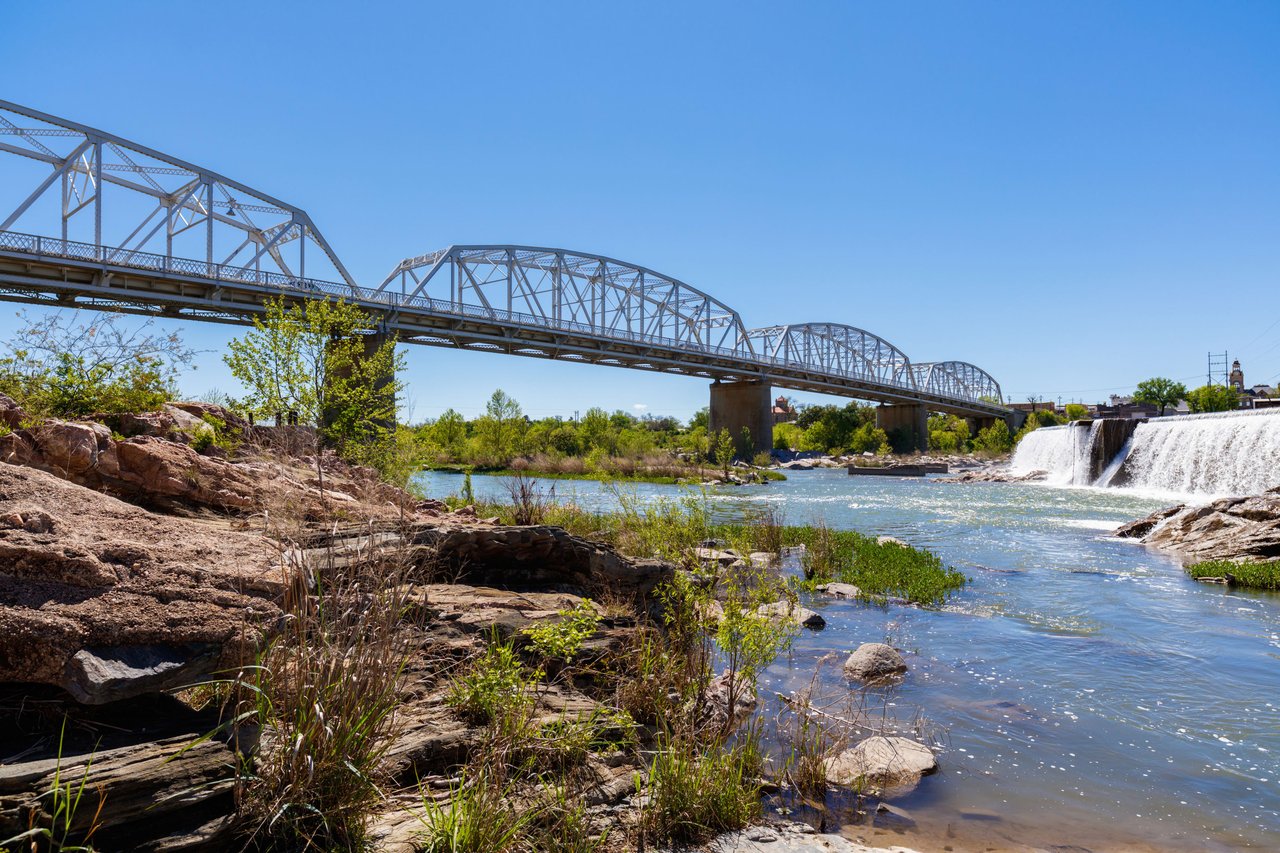
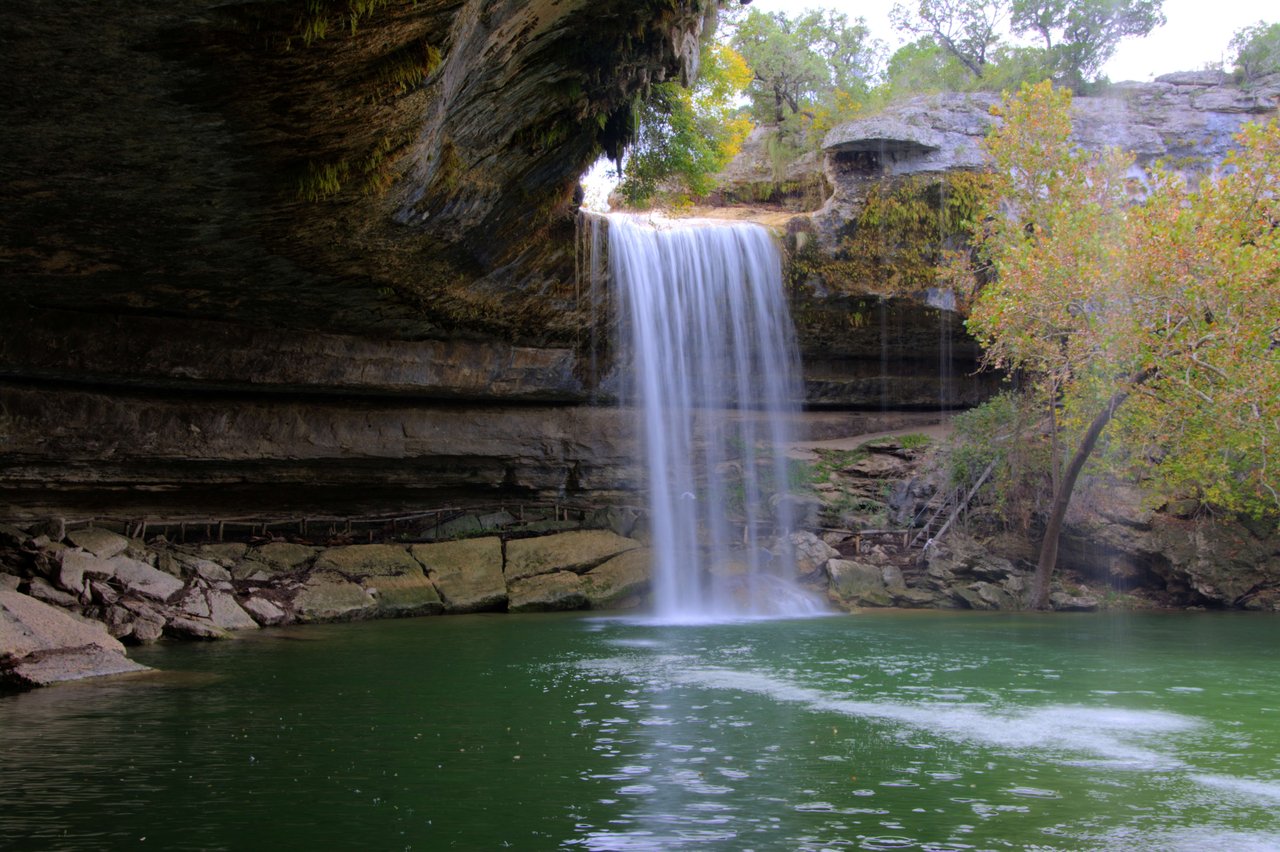
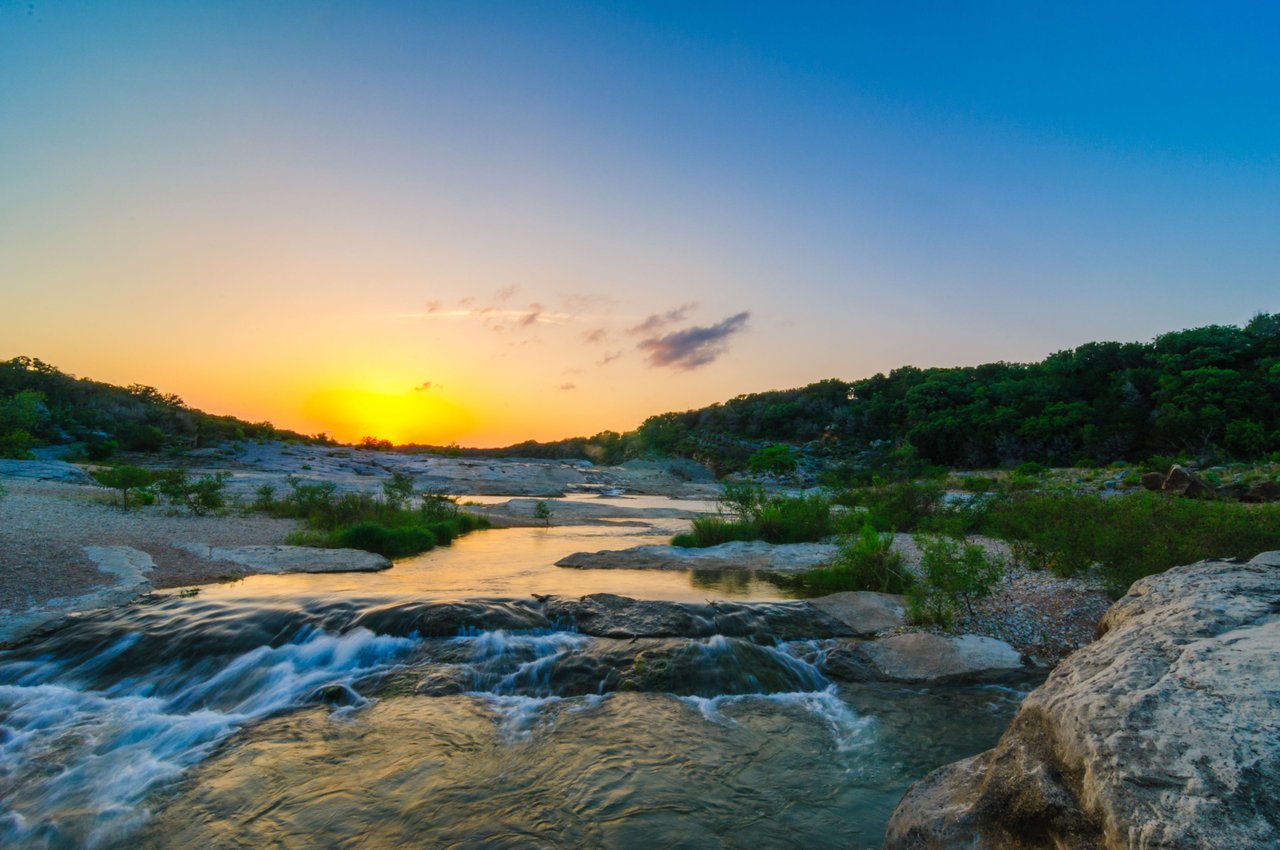
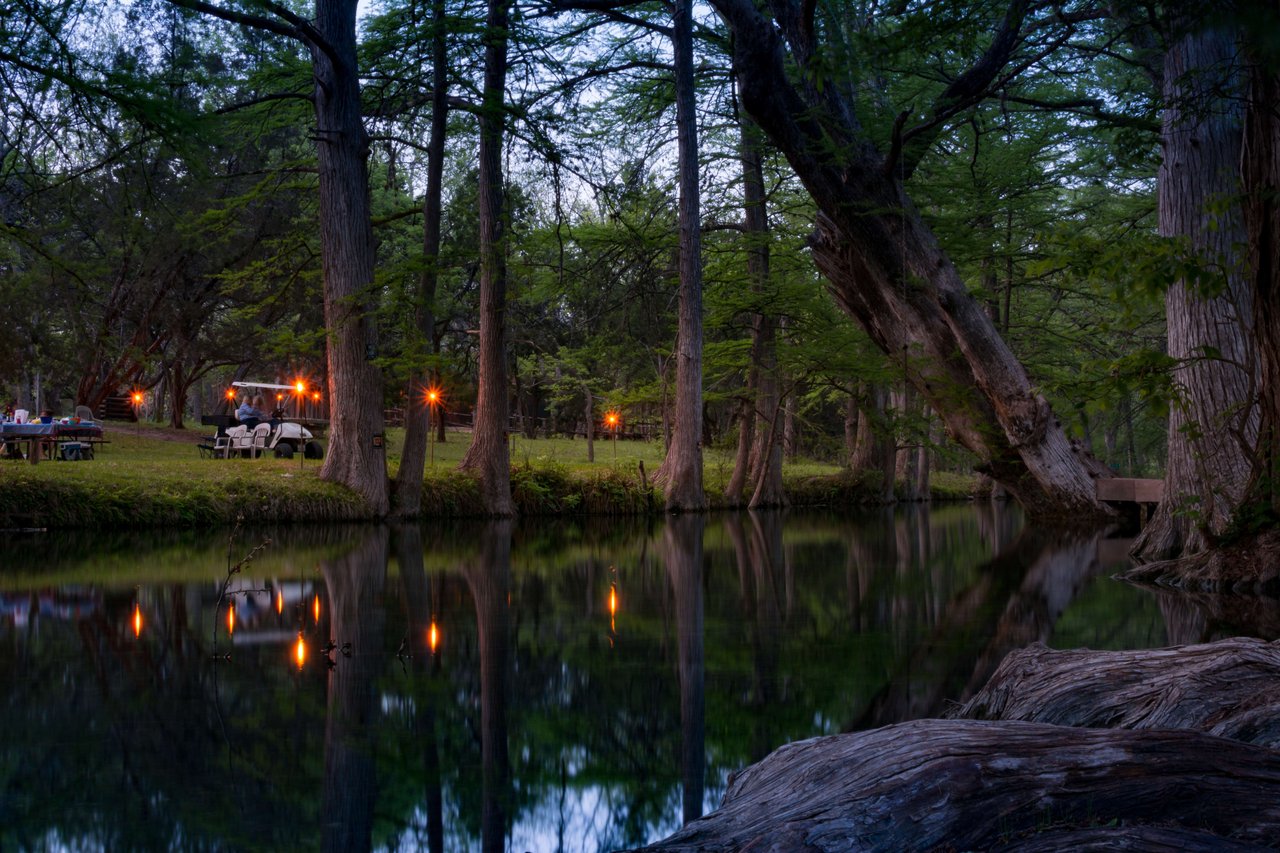
Water is often one of the most valuable assets on a ranch.

Examples include:

  • Live water creeks
  • Rivers
  • Springs
  • Lakes
  • Ponds
  • Water wells

In many cases, water features can significantly impact buyer interest and overall value.

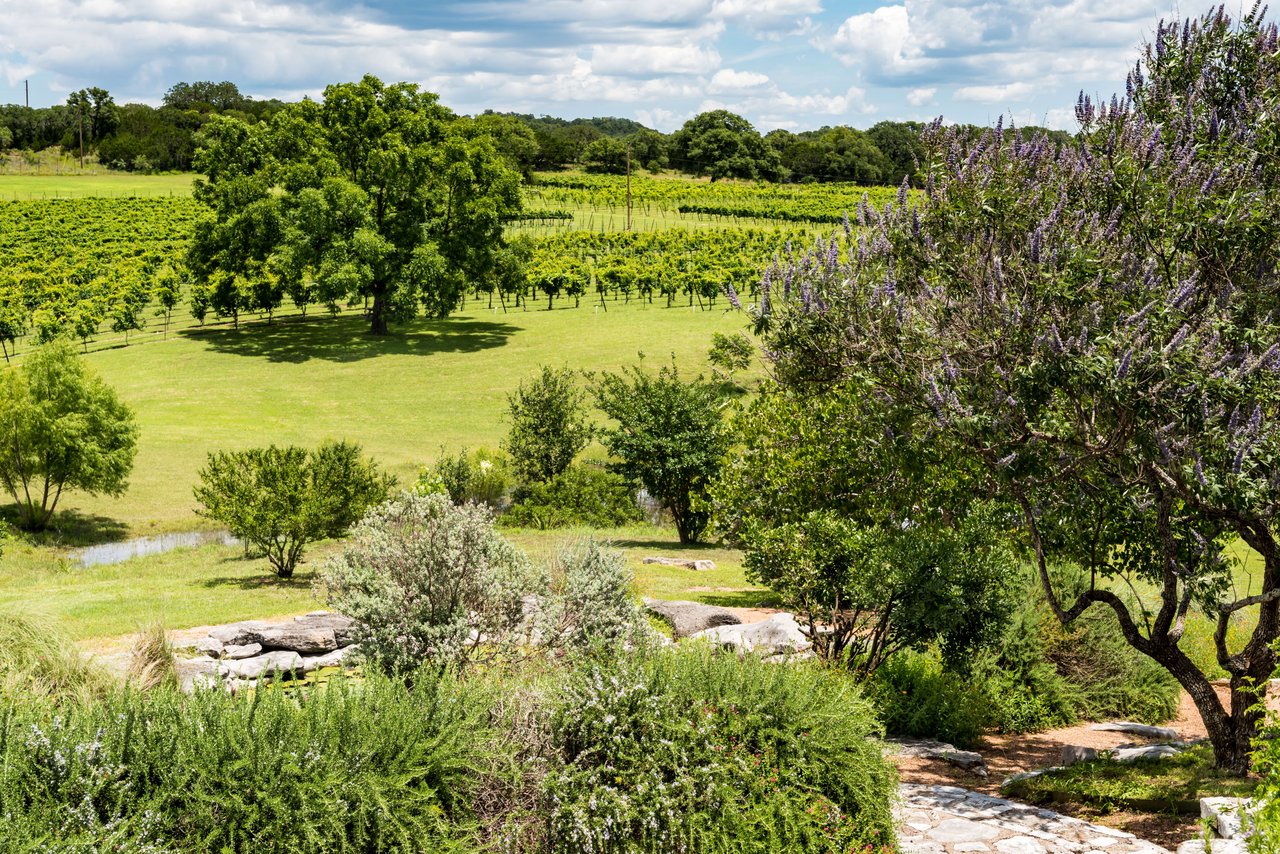
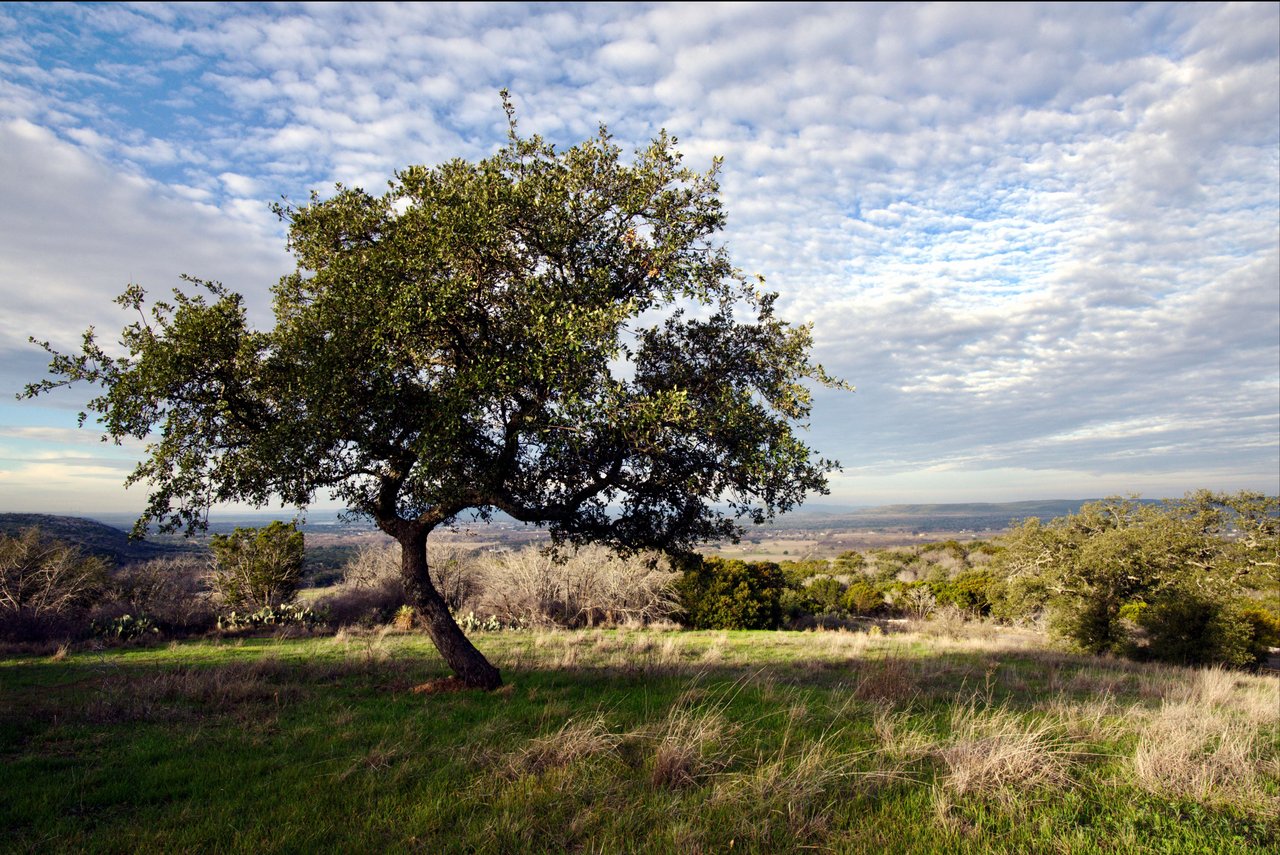
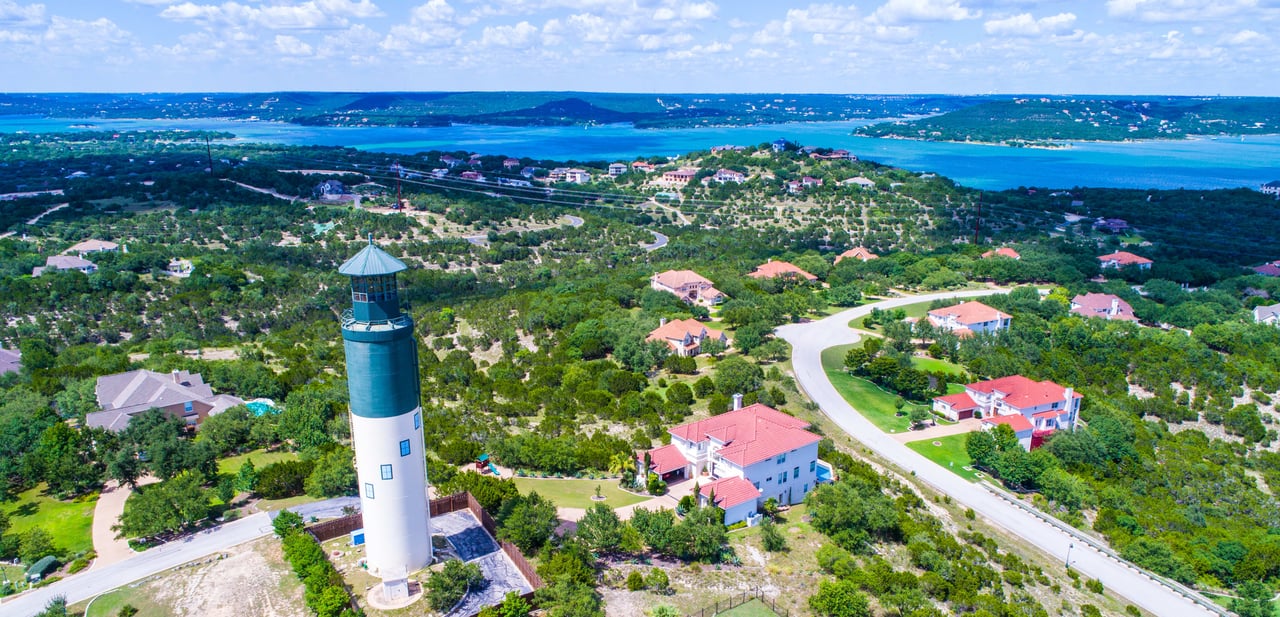
Scenic views, elevation changes, and unique topography often increase desirability, particularly throughout the Texas Hill Country.

Many buyers seek properties with strong wildlife habitat and recreational opportunities.

Wildlife management practices, native habitat, and hunting potential can influence value.

Buyers often evaluate:

  • Homes
  • Guest houses
  • Barns
  • Equipment storage
  • Ranch roads
  • Fencing
  • Working pens
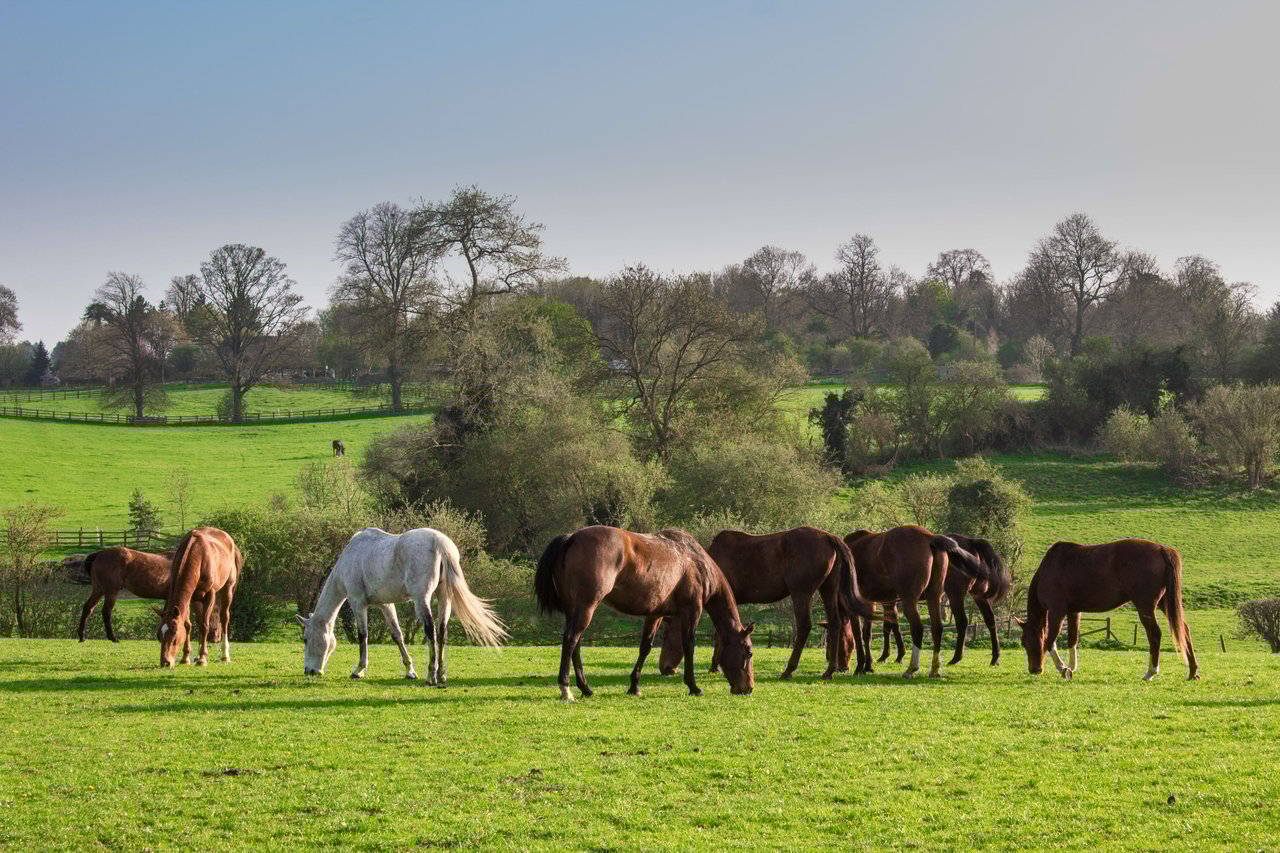
  • Arenas
  • Water systems

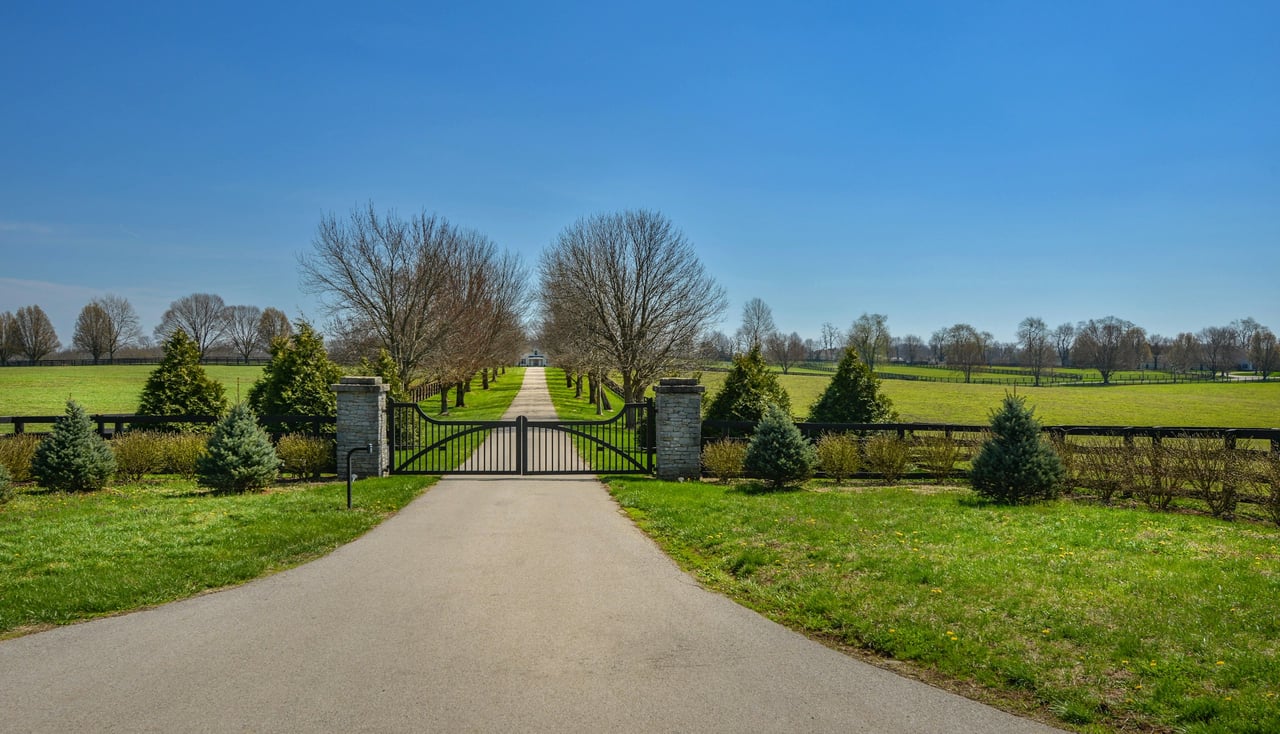
Ranches located near Austin, Dripping Springs, Wimberley, Johnson City, Blanco, Marble Falls, and Fredericksburg often attract strong buyer demand due to lifestyle appeal and proximity to major metropolitan areas.

main

Understanding Agricultural Exemptions Before Selling

Agricultural exemptions are often one of the most important considerations for ranch buyers.

In Texas, land qualifying for agricultural valuation may benefit from significantly lower property taxes compared to market valuation.

Because of this, buyers frequently ask:

  • Does the property currently have an agricultural exemption?
  • How long has it been in place?
  • What activities support the exemption?
  • Can the exemption continue after closing?

Common qualifying uses may include:

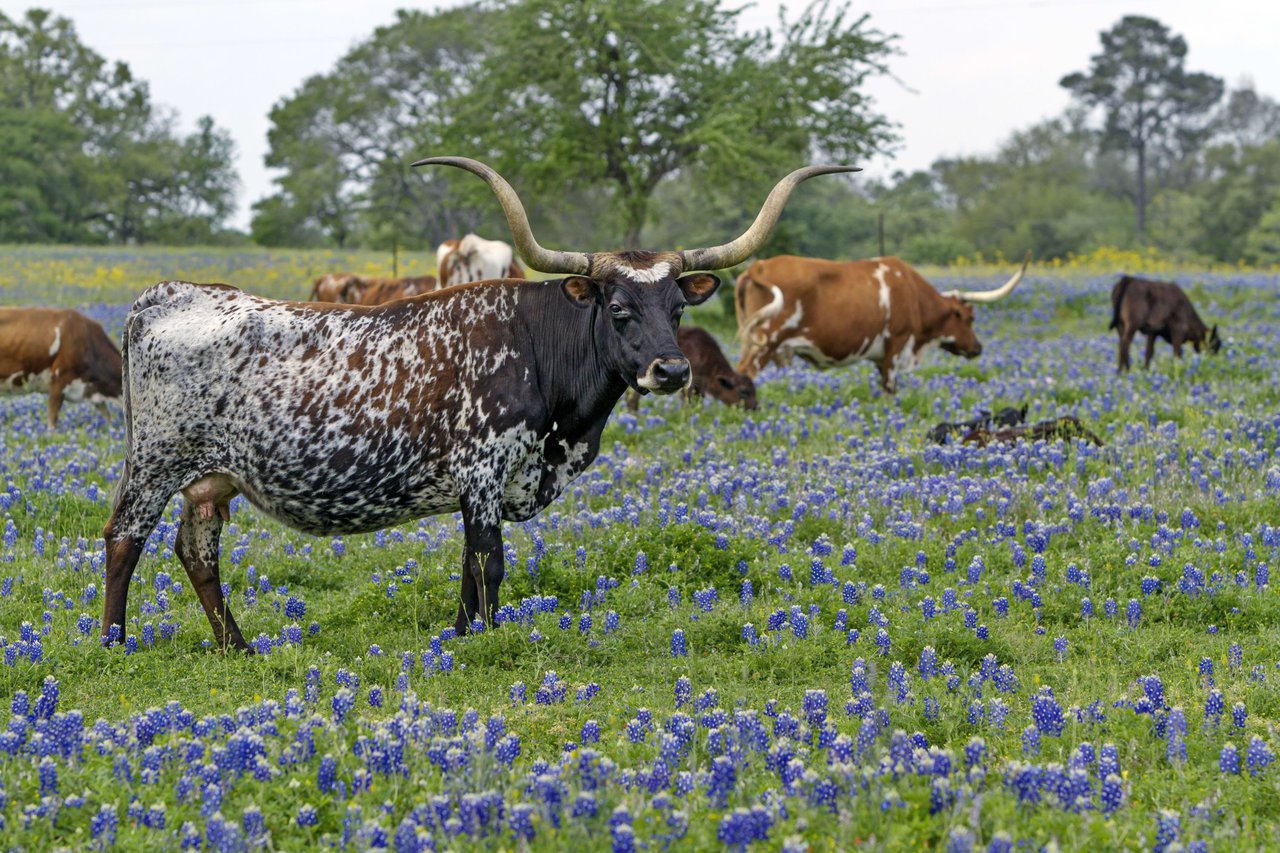
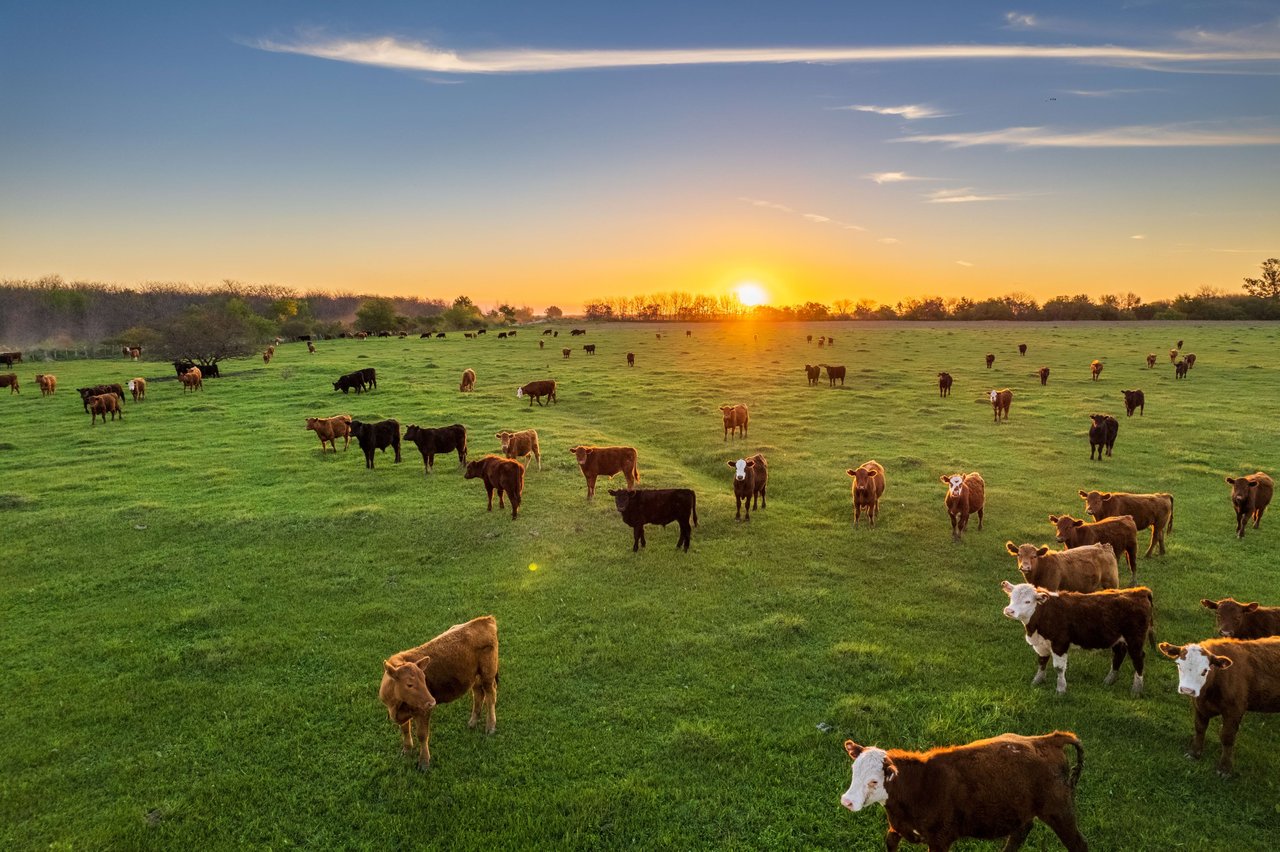
  • Cattle operations
  • Hay production
  • Crop production
  • Wildlife management
  • Certain agricultural enterprises

Understanding your property's current tax status can be an important part of preparing for a sale.

 A living room with a fireplace, a couch, and a table.

Wildlife Exemptions and Ranch Ownership

Some ranches qualify for wildlife management valuation.

Properties managed for wildlife may continue receiving agricultural valuation while supporting conservation goals.

Many recreational ranch buyers specifically seek properties with established wildlife management practices

because they appreciate both the tax benefits and the recreational opportunities associated with responsible stewardship.

main

Will Selling Trigger Rollback Taxes?

One question we hear frequently is:

"Will selling my ranch trigger rollback taxes?"

In many cases, the sale itself does not automatically create rollback taxes.

Rollback taxes are generally associated with a change in land use rather than the transfer of ownership.

However, because every situation is unique, ranch owners should understand how future use may impact tax treatment.

We always recommend discussing specific tax questions with a qualified tax professional, attorney, or appraisal district representative.

main

What Ranch Buyers Are Looking For

Today's ranch buyers often have a wide variety of goals.

Some are seeking:

  • Recreational ranches
  • Hunting properties
  • Luxury ranch estates
  • Horse properties
  • Family compounds
  • Investment properties
  • Working ranches

Regardless of their objectives, buyers frequently prioritize:

Many buyers are moving away from dense development and seeking space and freedom.

Live water remains one of the most desirable ranch features in Texas.

Hunting, wildlife viewing, and habitat quality continue driving buyer demand.

Reasonable access to Austin and surrounding communities remains important.

Agricultural and wildlife valuations can significantly influence ownership costs.

Many buyers are purchasing ranches with the intention of holding them for generations.

Marketing a Ranch Requires Specialized Expertise

Marketing a ranch is very different than marketing a traditional home.

Successful ranch marketing often includes:

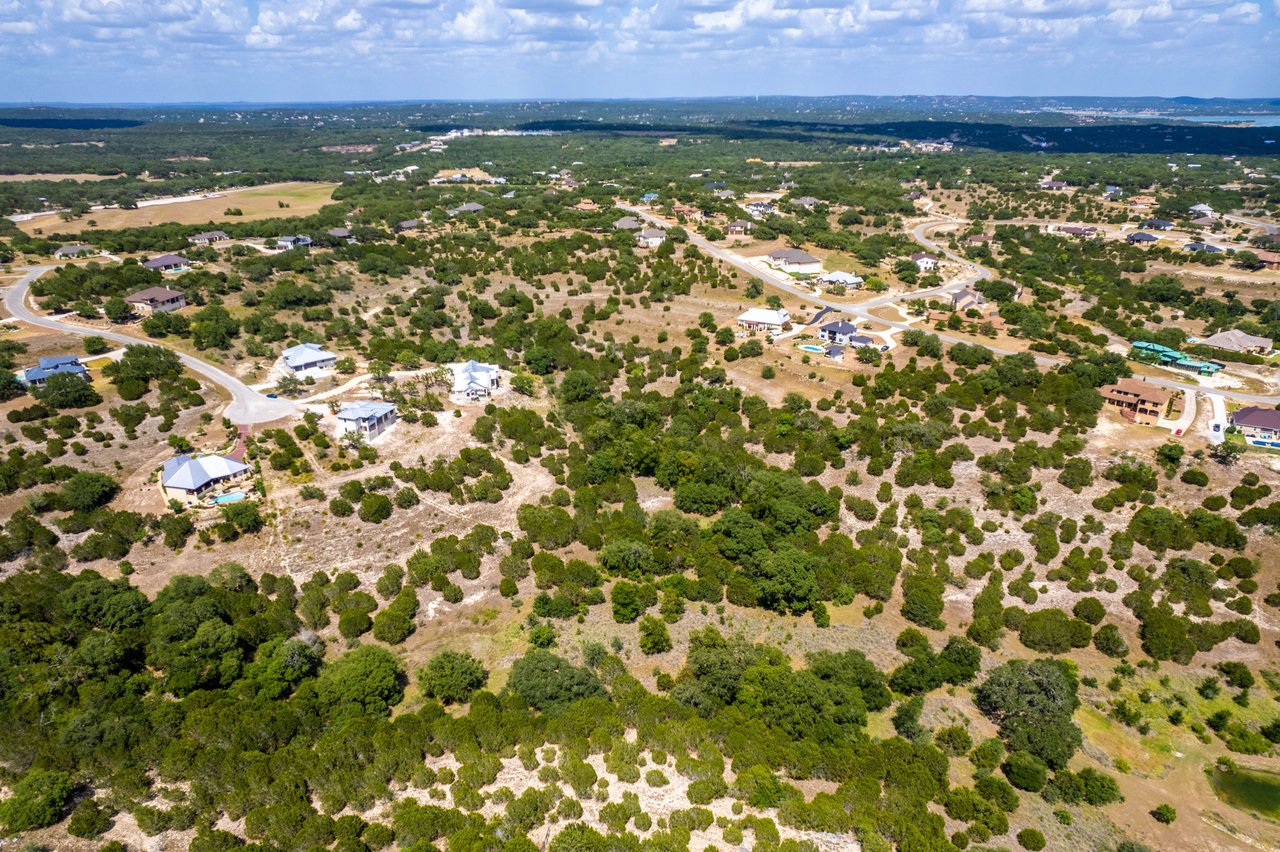
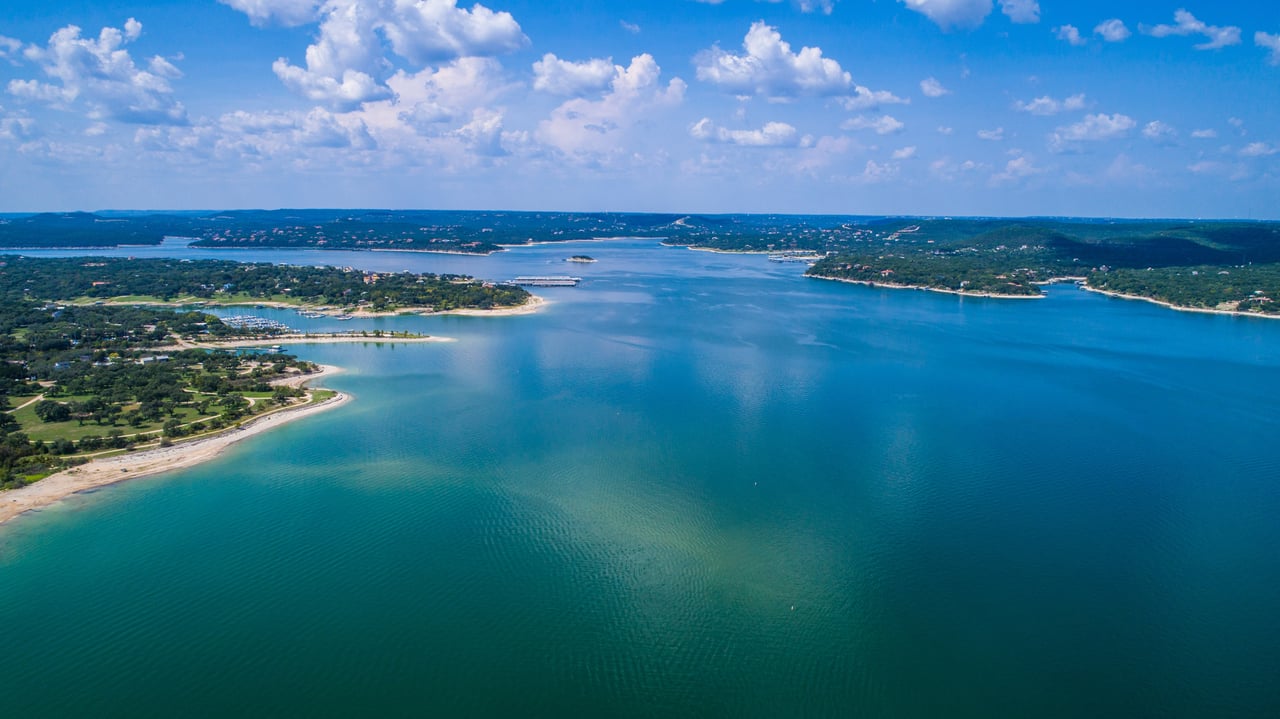
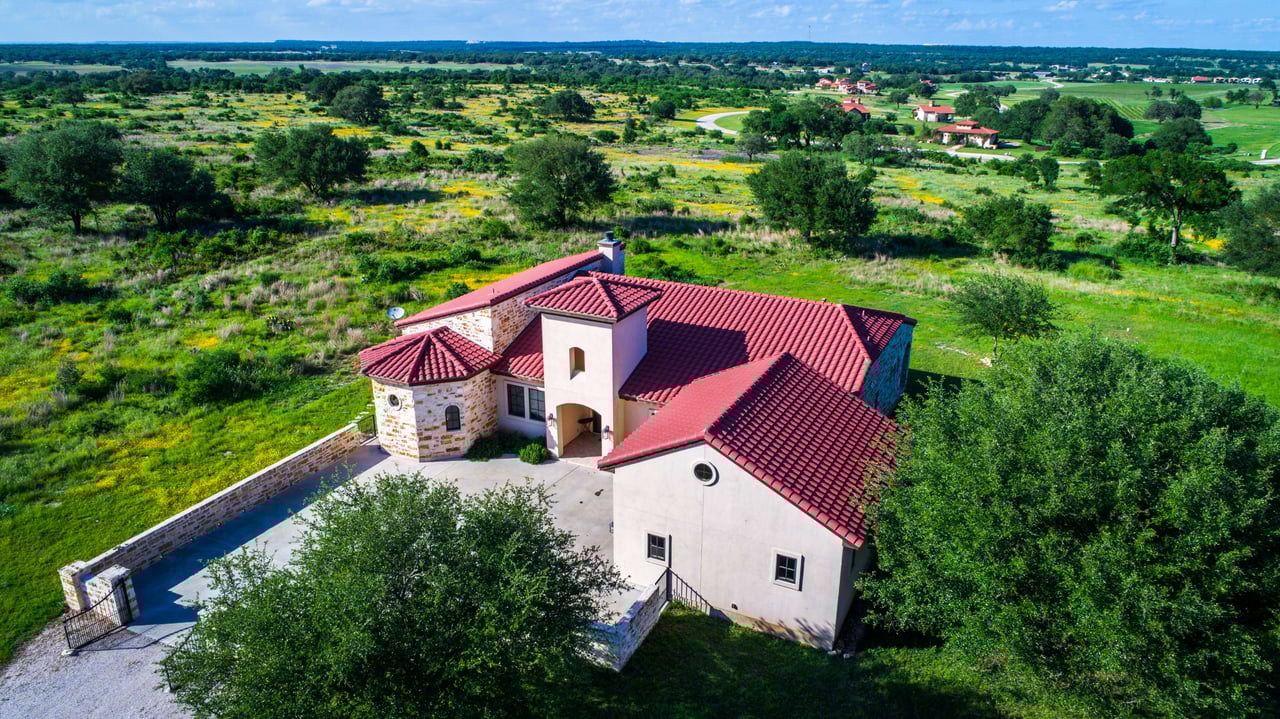
Aerial imagery helps buyers understand scale, topography, water features, and improvements.

Video allows buyers to experience the property before ever visiting.

Boundary maps, aerial overlays, topography maps, and improvement maps help buyers understand the property.

Water is often one of the strongest selling points of a ranch.

Many buyers are purchasing a lifestyle as much as a property.

Luxury ranch buyers frequently come from:

  • Texas metropolitan areas
  • California
  • Illinois
  • New York
  • Florida

Marketing should be designed to reach qualified buyers who understand the value of ranch ownership.

main

Transitional Land Does Not Always Mean You Should Sell

Not every landowner wants to sell. Some families choose to hold their land for future appreciation. Others continue farming, ranching, or using the property recreationally while monitoring growth. Some investors hold strategically while infrastructure moves closer.

The key is understanding your options. If you do not understand your property potential, it becomes much easier to undervalue it, accept the wrong offer, or make decisions without the full picture.

Knowing whether your land is transitional allows you to make informed decisions instead of reacting to unsolicited offers or speculation.

Common Mistakes Ranch Owners Make Before Selling

main

Why Work With Triple L Realty

Ranches represent more than acreage.

They often represent a lifetime of stewardship, family memories, investment, and legacy.

Josh and Marisa Smith specialize in helping ranch owners throughout the Austin area and Texas Hill Country understand their property's value and position it effectively within the marketplace.

From luxury ranches and horse properties to recreational properties and multi-generational family holdings, our team understands the factors that influence ranch value and buyer demand.

Because land and privacy are the ultimate luxury.

And who you work with matters.

Considering Selling Your Ranch?

Whether you own a working ranch, recreational property, horse ranch, hunting property, or luxury acreage estate, we'd be happy to provide a confidential ranch evaluation and discuss your options.

main

Selling Land to a Developer Near Austin

Work With Us

Josh & Marisa Smith combine high-level strategy, market intelligence, and skilled negotiation to represent clients across some of Central Texas’ most valuable luxury and land assets. Whether representing a multi-generational landowner preparing to transition a long-held family property, or helping a buyer secure the right ranch, estate, or investment opportunity, every transaction is handled with precision, discretion, and a clear understanding of long-term value. With expertise and experience in complex, high-value, and often discreet land deals, Josh & Marisa understand that real estate is often more than a sale — it’s a decision that can shape a family’s future for generations. Through Triple L Realty, clients receive personalized guidance, strong communication, and hands-on representation before, during, and after the process. The focus is simple: protect what matters most, maximize opportunity, and deliver results at the highest level.