Whether you've owned your land for generations or purchased it as an investment, understanding how developers evaluate property can help you maximize its value and make informed decisions.
Whether you've owned your property for generations, inherited family land, operate a ranch, or purchased acreage as an investment, growth throughout Taylor, Hutto, Manor, Coupland, Georgetown, Thorndale, Elgin, Pflugerville, and Rockdale is creating new opportunities for landowners.
As developers, builders, investors, and major employers continue expanding throughout the region, many properties are being evaluated differently than they were even a few years ago.
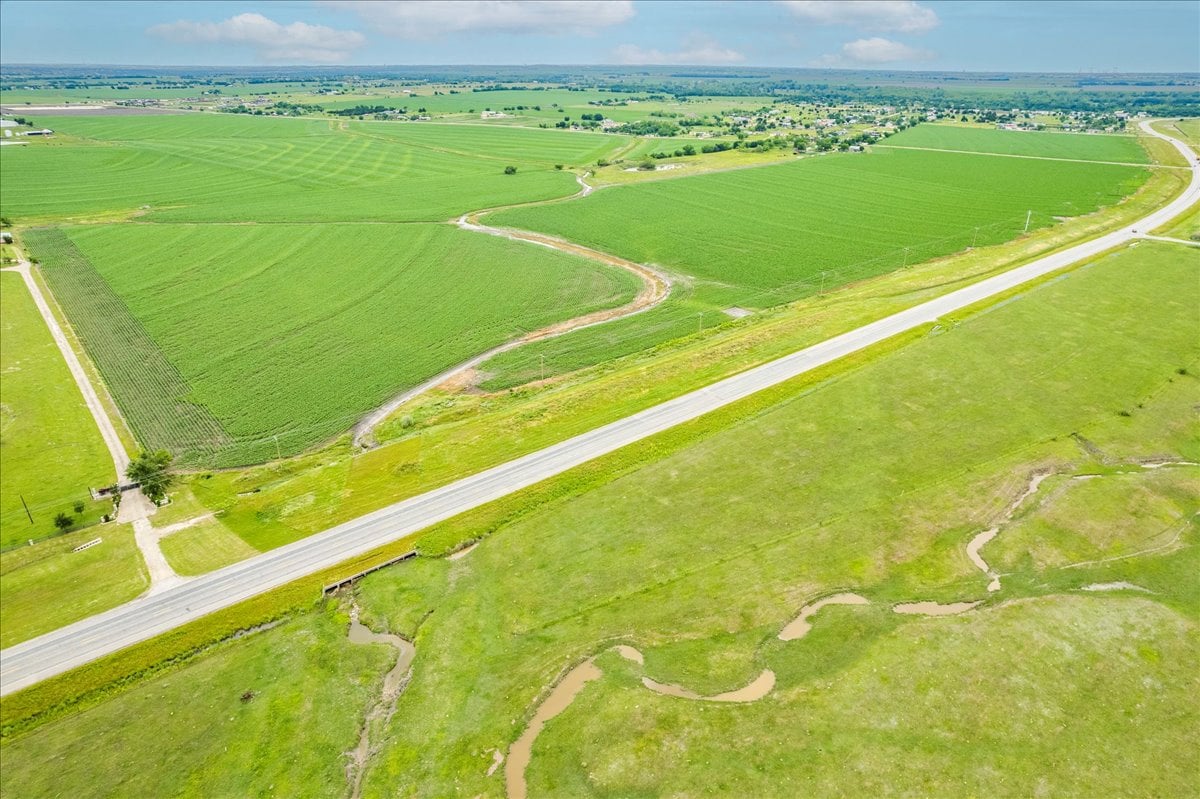
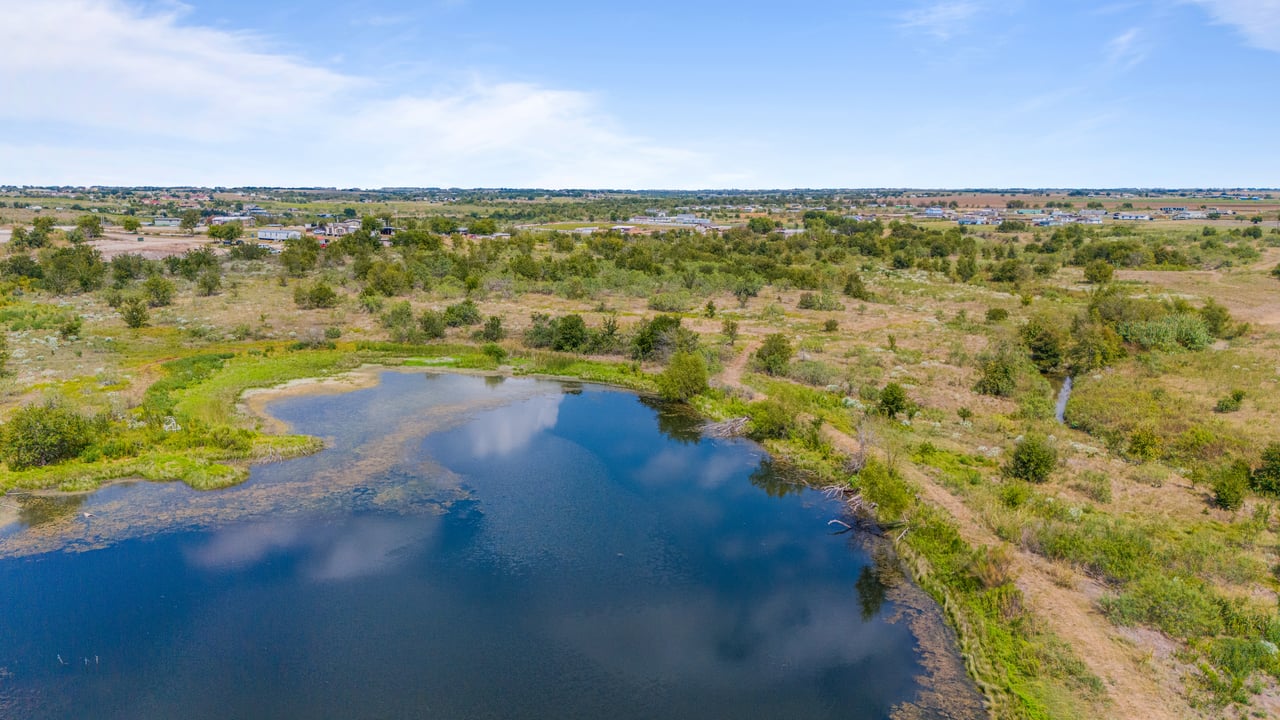
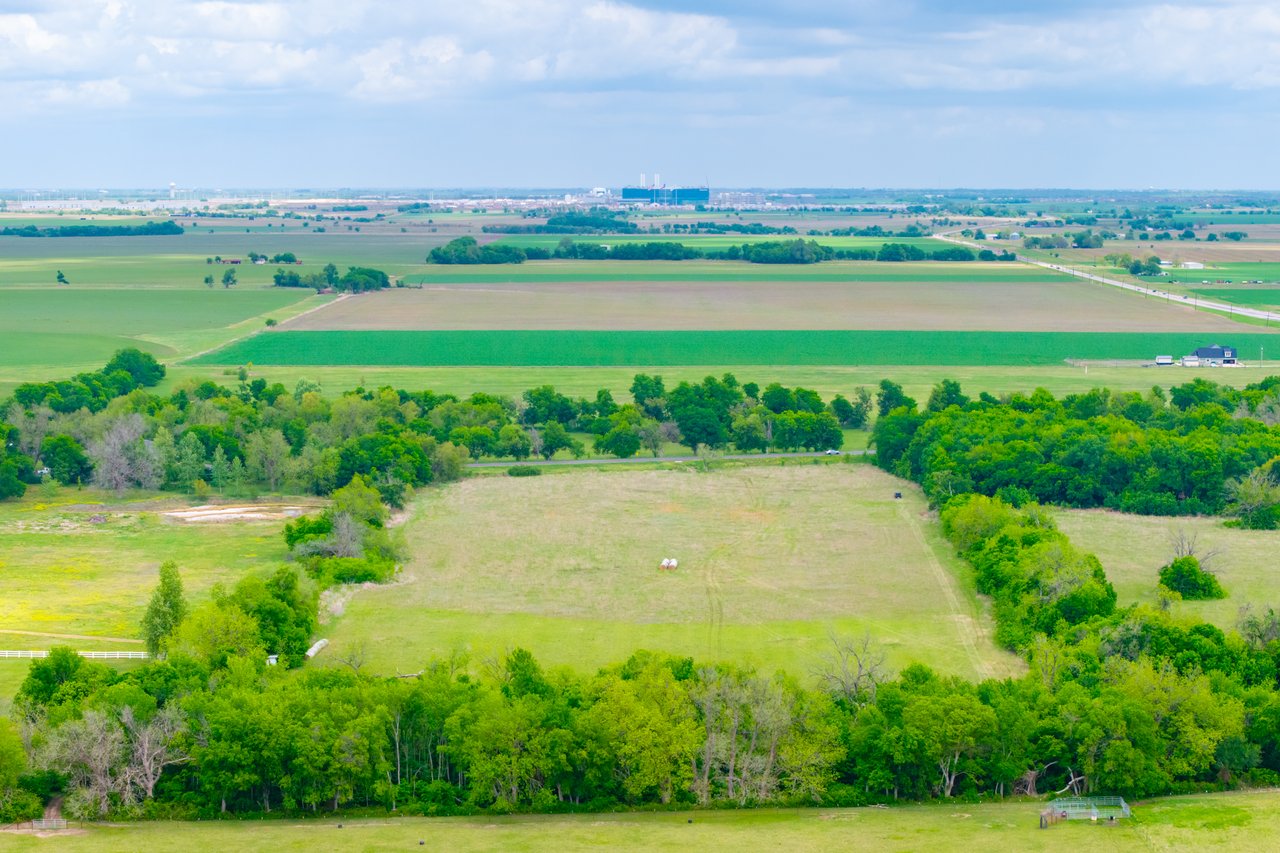
Land once valued primarily for agriculture, recreation, or long-term investment may now possess additional value based on location, infrastructure, utility access, and future development potential.
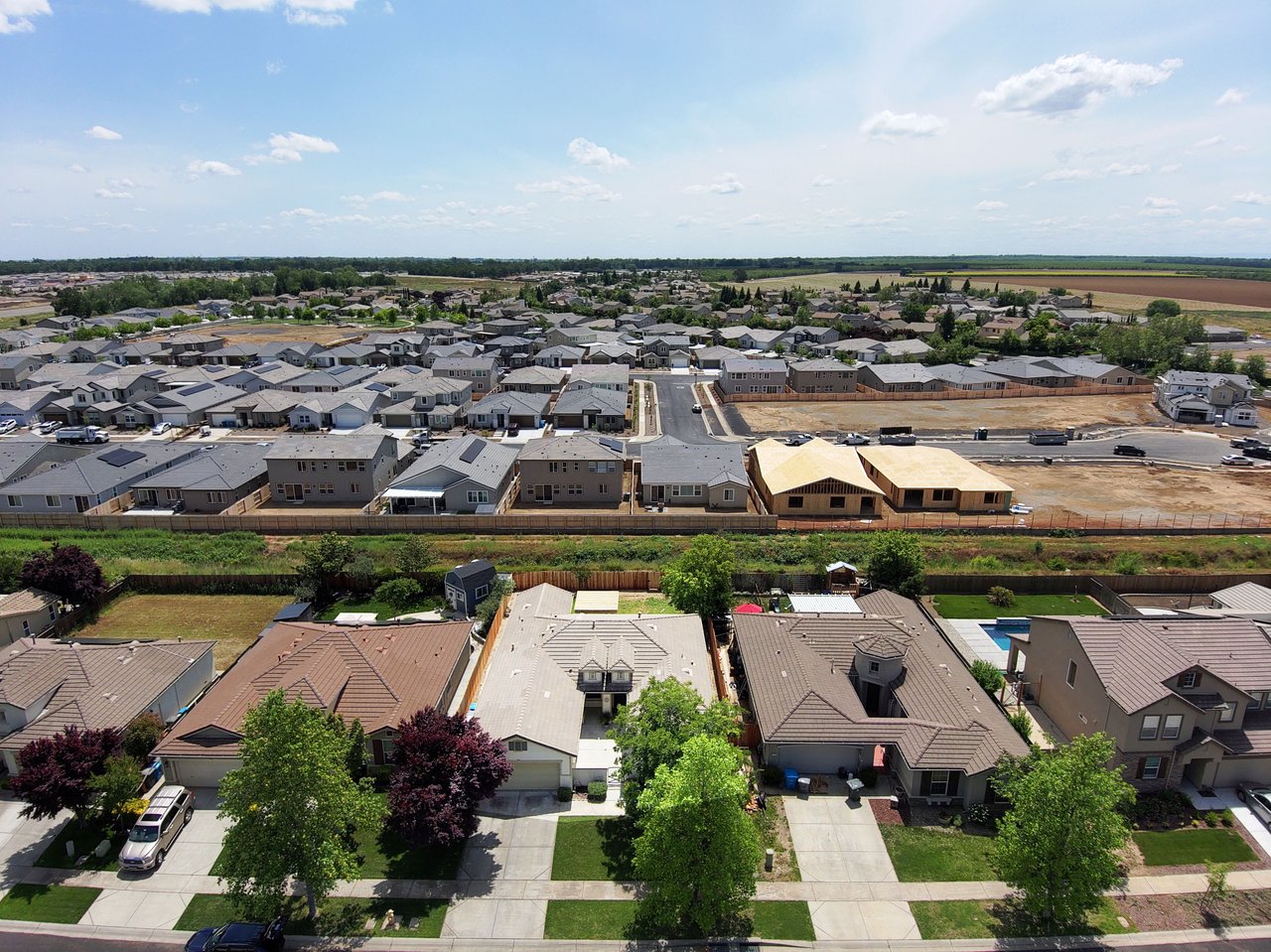
When a developer purchases land, they are typically evaluating the property's future potential rather than its current use.
A tract currently being used as a farm, ranch, recreational property, or investment holding may eventually become:
Because developers focus on future land use, they often evaluate property very differently than traditional buyers.
Much of the development activity occurring around Austin today is happening east and northeast of the city, where major infrastructure investments, employment centers, and transportation improvements continue reshaping the landscape.
Communities such as Taylor, Hutto, Manor, Coupland, Georgetown, Thorndale, Elgin, Pflugerville, and Rockdale have attracted increasing attention from developers, builders, investors, and land funds seeking opportunities within some of the fastest-growing corridors in Texas.
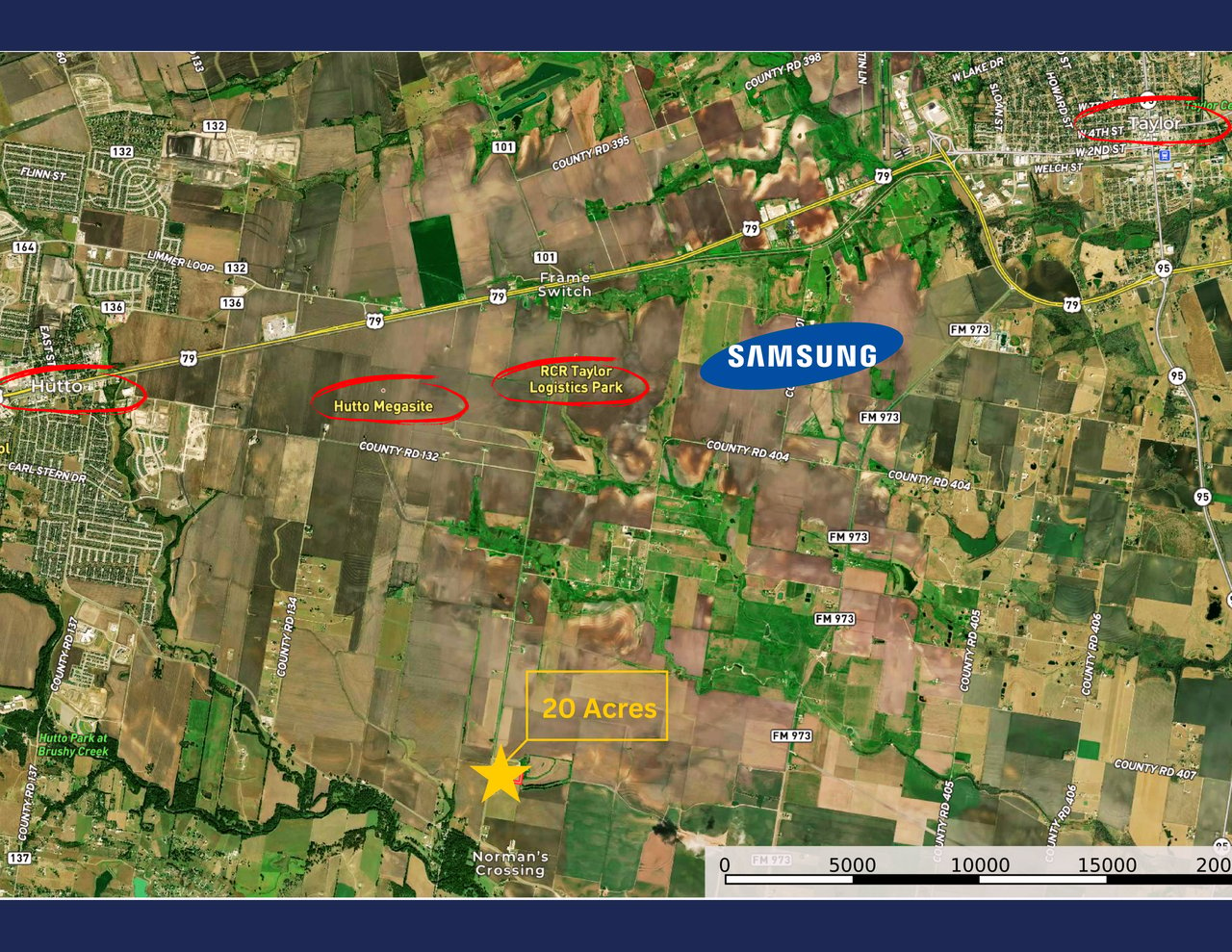
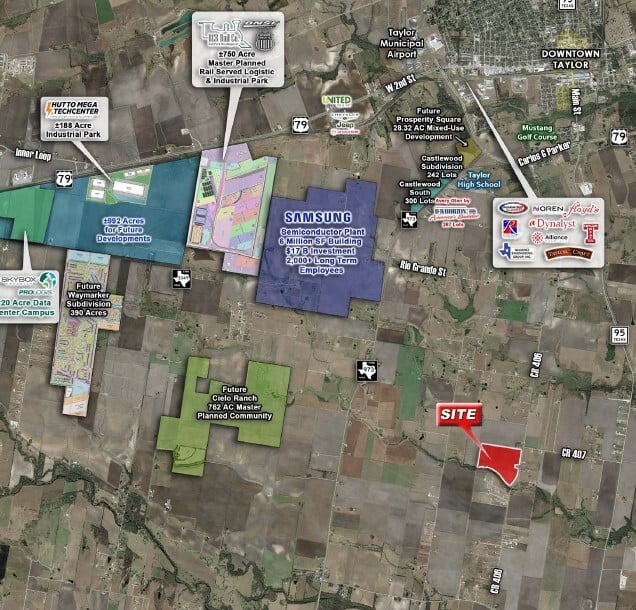
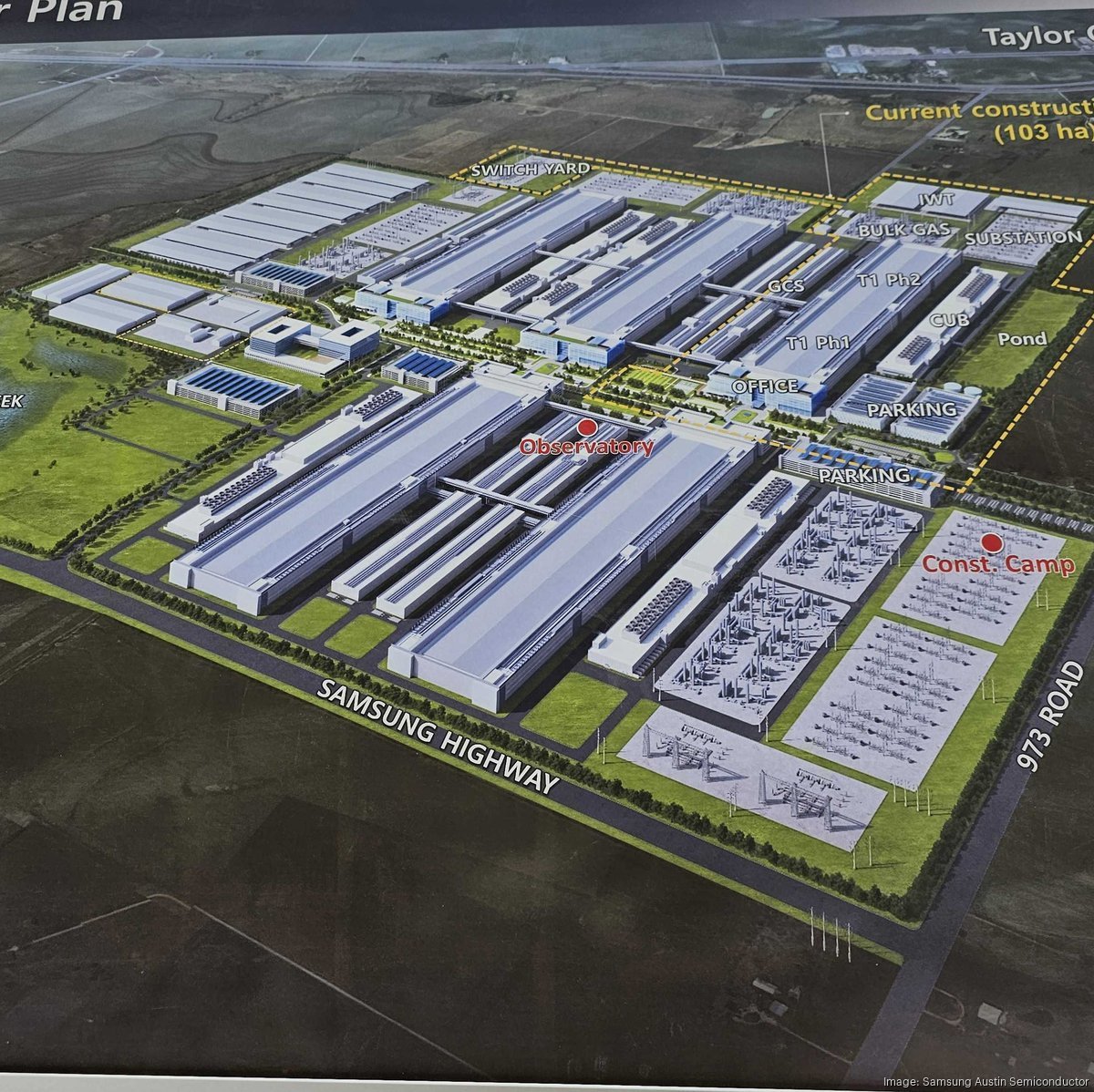
One of the largest drivers of growth has been Samsung's semiconductor manufacturing campus in Taylor. The multibillion-dollar investment has accelerated demand throughout the region while attracting suppliers, manufacturers, and supporting industries that want to be located near one of the nation's most significant semiconductor projects.
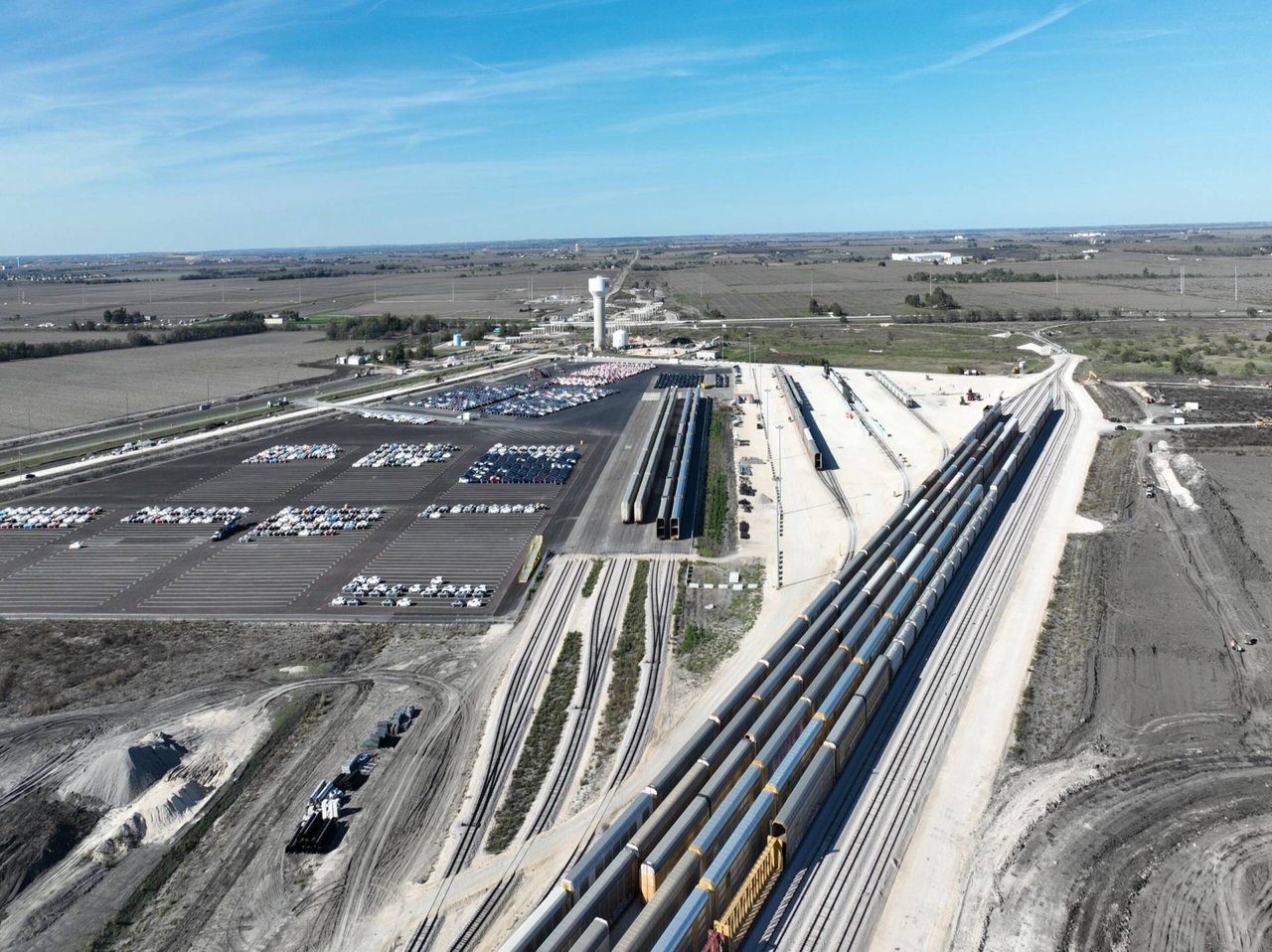
Additional economic drivers include the RCR Taylor Rail Logistics Park, the Hutto Megasite, Applied Materials' expansion in Hutto, and the massive Sandow Lakes Ranch development near Rockdale. Together, these projects are creating demand for housing, industrial facilities, logistics infrastructure, commercial development, and future land investment opportunities throughout the region.
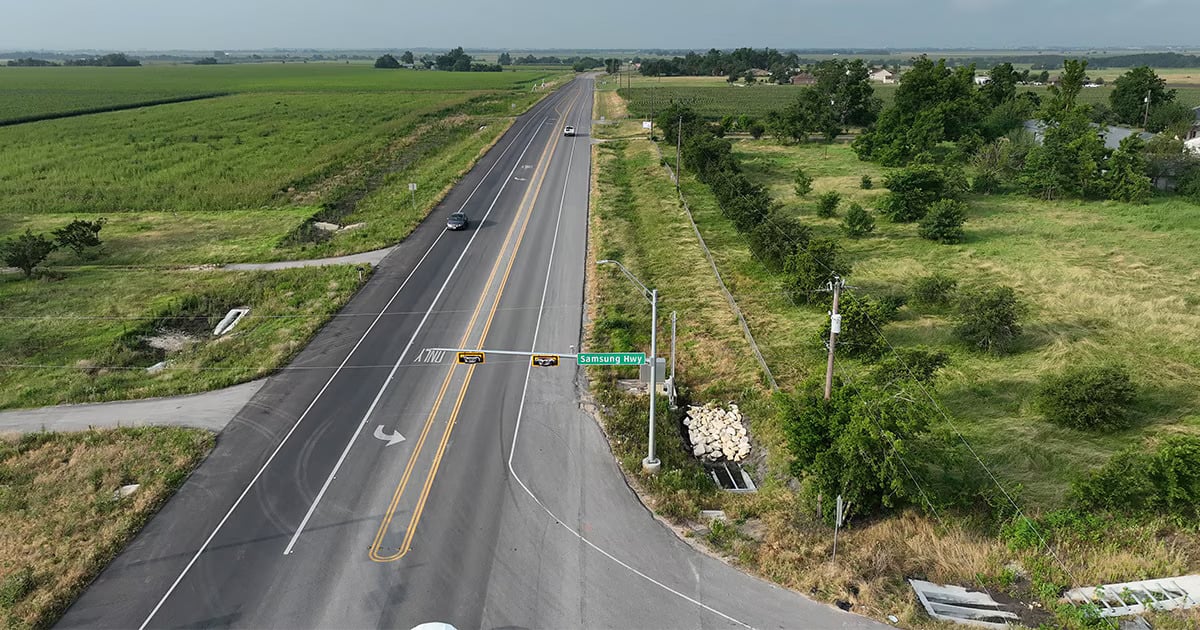
Highway 79, stretching from Round Rock through Hutto, Taylor, Thorndale, and Rockdale, has increasingly become known as the "Semiconductor Super Highway" because of the concentration of semiconductor manufacturing, advanced technology investment, logistics infrastructure, and supporting industries locating along the corridor.
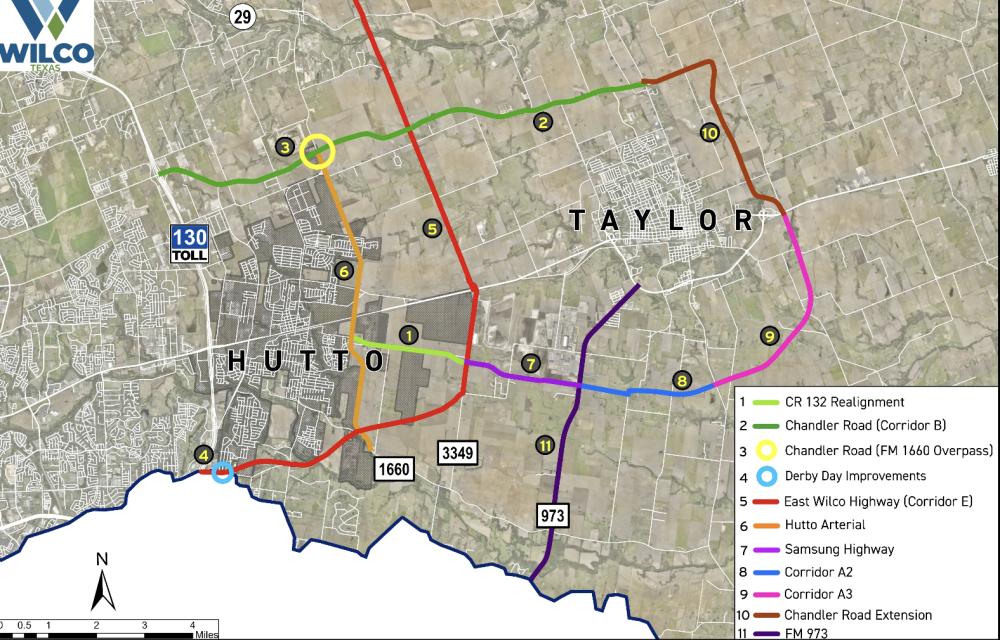
Additional transportation improvements, including projects along SH 130, the East Wilco Highway, FM 973, and other regional transportation corridors, continue opening new opportunities for growth and development.
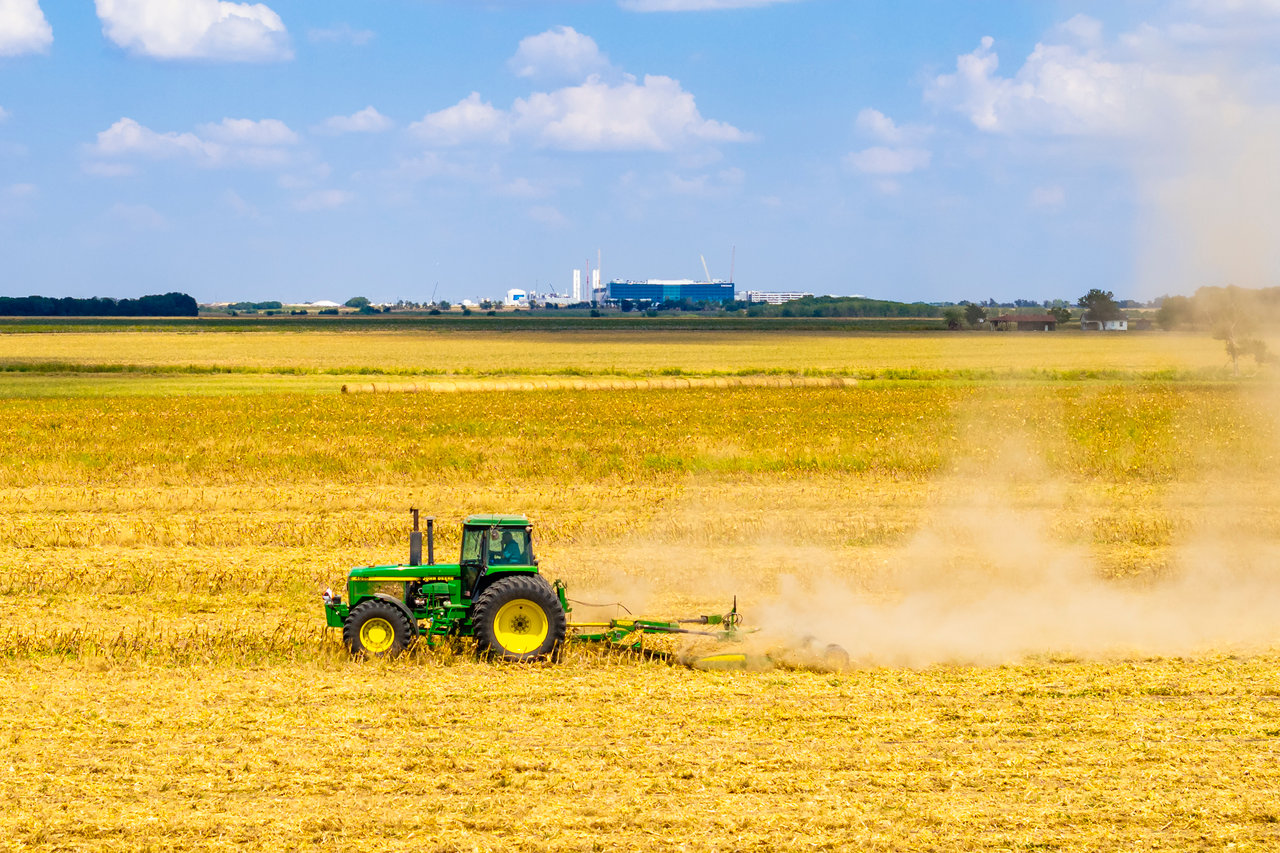
As Austin expands outward, many landowners are discovering that property once viewed solely as farmland, ranchland, or recreational acreage may now possess additional value based on its location, infrastructure access, and future development potential.
For some families and investors, land that has been held for years may represent one of the most significant wealth-building opportunities they will ever encounter.
Understanding where your property sits within the path of growth is often one of the most important factors in determining its true market value.
Developers evaluate far more than acreage when determining where to invest.
They often focus on locations positioned near major employment centers, transportation routes, utility infrastructure, and future growth corridors.
Today, some of the strongest development activity in the Austin region can be found throughout the Taylor, Hutto, Manor, Coupland, Georgetown, Thorndale, Elgin, Pflugerville, and Rockdale markets.
Properties located near expanding utility systems, major roadway improvements, rail infrastructure, and employment centers often attract increased interest from residential developers, industrial users, logistics companies, investment groups, and land funds.
As these communities continue to grow, landowners who understand the broader development landscape are often better positioned to evaluate opportunities, negotiate favorable terms, and maximize the value of their property.
Developers evaluate much more than acreage. Several factors may significantly influence property value.
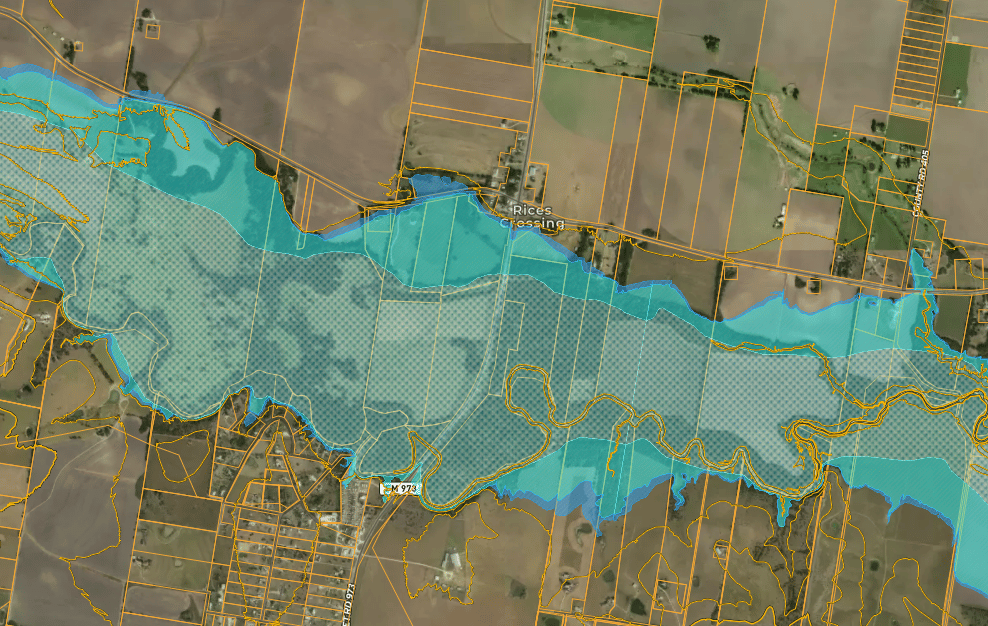
Not every property is suitable for development, but several characteristics frequently attract developer interest.
These may include:
Many landowners are surprised to learn that their property's highest and best use may be different from its current use.
A property currently being used for agriculture, grazing, recreation, or long-term investment may also possess development potential depending on location, infrastructure, and future growth patterns.
Understanding that potential before accepting an offer can make a significant difference in the outcome of a sale.
Transitional land is property located in the path of growth.
As cities expand, roads improve, utilities extend, and employment centers attract additional investment, previously rural properties may become increasingly attractive to developers.
Many landowners are surprised to learn their property is no longer being valued solely as farmland or ranchland.
Instead, developers may view it as a future residential, commercial, industrial, or mixed-use opportunity.
Future Internal Link
What Is Transitional Land and Why It May Be Worth More Than You Think?
Not every development land transaction looks the same.
Potential structures may include:
Every property and every owner's goals are different. Understanding available options can help maximize value and flexibility
Selling land is different than selling a house.
Understanding growth corridors, infrastructure investments, utility availability, development trends, and highest-and-best-use analysis requires specialized experience.
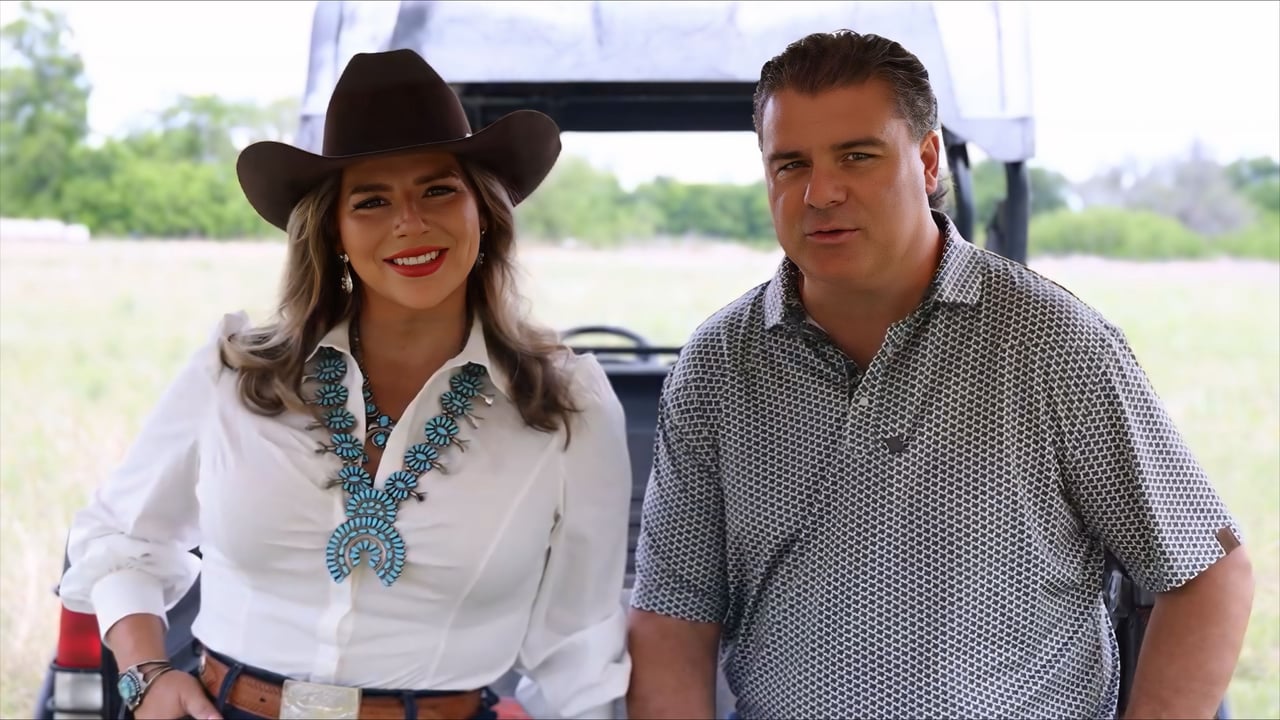
Josh and Marisa Smith have represented landowners, investors, ranch owners, and developers throughout the Austin area and surrounding growth corridors.
From generational farms and ranches to investment tracts and development opportunities, our team helps clients understand the full potential of their property and position it to the right buyers.
We believe every landowner deserves to understand their options before making a decision.
Because who you work with matters
Whether you own a family farm, working ranch, investment tract, transitional land property, or development opportunity, we'd be happy to provide a confidential property evaluation and discuss your options.