Equestrian Homes, Ranches & Acreage

Horse Properties Near Austin, TX: Equestrian Homes, Ranches & Acreage

From private equestrian estates to working horse properties and ranches, discover why so many horse owners are choosing the Austin area and Texas Hill Country.

main

Why Horse Owners Are Moving to the Austin Area

For many horse owners, finding the right property is about much more than finding the right house.

It's about finding the right land.

Horse ownership requires space, infrastructure, water, pasture management, and a property layout that supports both horses and riders.

As Austin continues to grow, many equestrians are looking beyond traditional neighborhoods and seeking acreage properties that provide room to ride, train, and enjoy a lifestyle centered around horses.

The Texas Hill Country offers exactly that.

Many buyers relocating from California and other high-cost markets are specifically seeking acreage properties where they can enjoy privacy, freedom, and a connection to the land while pursuing an equestrian lifestyle.

What Makes a Great Horse Property?

Not all acreage is horse property.

While many buyers assume any large tract will work, experienced horse owners understand that several factors can significantly impact a property's usability.

Important considerations include:

Usable Acreage

The amount of functional pasture is often more important than the total acreage.

Water Availability

Reliable water sources are critical for horses and long-term property management.

Fencing

Horse-safe fencing is one of the first features many buyers evaluate.

Barns and Infrastructure

Depending on your goals, facilities may include:

  • Barns
  • Tack rooms
  • Wash racks
  • Equipment storage
  • Hay storage
  • Turnout areas

Riding Facilities

Some buyers require:

  • Riding arenas
  • Round pens
  • Trail systems
  • Training facilities

Every horse owner's needs are different, which is why evaluating the property as a whole is so important.

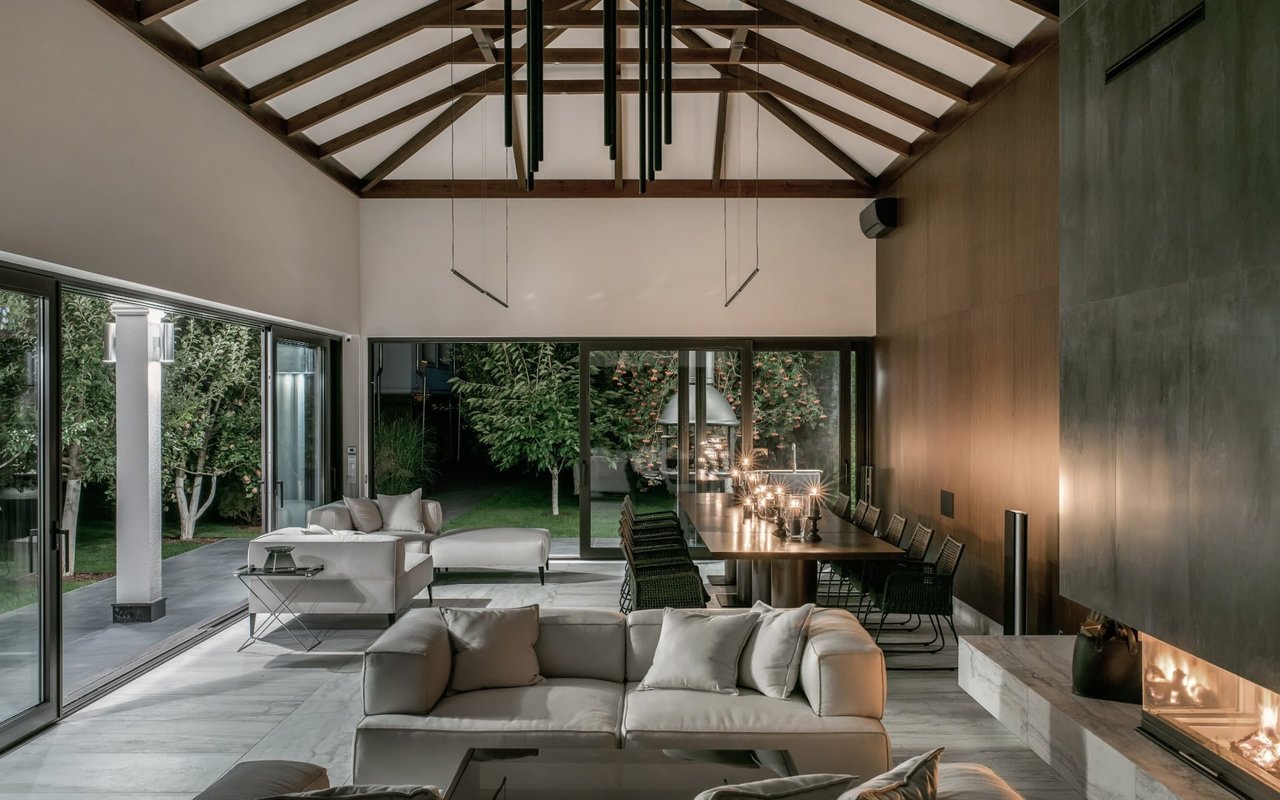
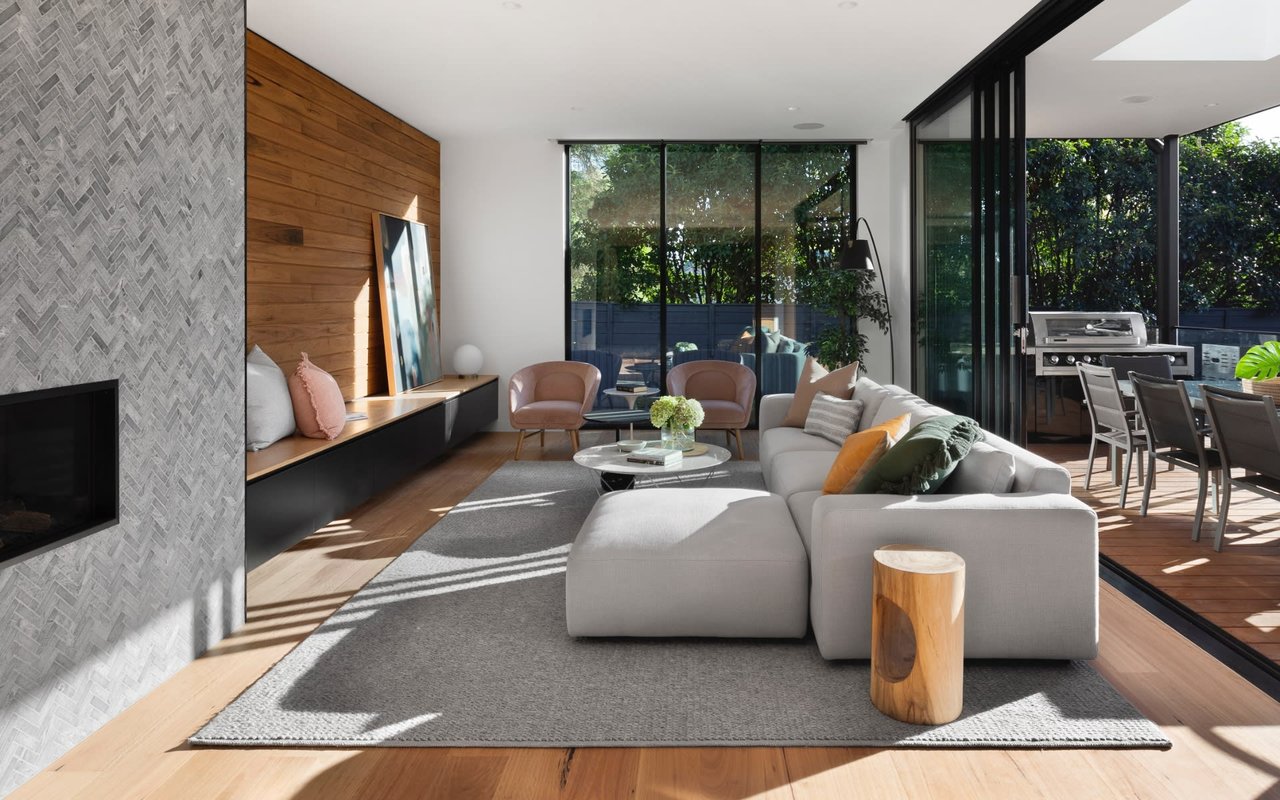
 A living room with a fireplace, a couch, and a table.

Budgeting for Horse Property Improvements

One of the biggest mistakes equestrian buyers make is focusing entirely on the purchase price while overlooking the cost of creating a functional horse property.

Many acreage properties near Austin offer excellent potential but may require improvements to fully support horses.

Depending on the property, buyers may need to budget for:

Fencing

Safe horse fencing is often one of the first improvements owners make.

Costs vary depending on materials, terrain, and property size, but fencing can represent a significant investment on larger acreage tracts.

Corrals and Turnout Areas

Many horse owners require separate turnout areas, catch pens, or corrals to safely manage horses.

Barns and Shelters

Depending on your goals, you may need:

  • Run-in sheds
  • Loafing sheds
  • Stall barns
  • Tack rooms
  • Feed storage
  • Equipment storage

Riding Arenas

Buyers planning to train, compete, or ride regularly may want:

  • Round pens
  • Outdoor arenas
  • Covered arenas
  • Improved footing systems

Arena construction costs can vary significantly depending on size, drainage requirements, and footing materials

Water Infrastructure

Water is one of the most important considerations for any horse property.

Buyers should evaluate:

  • Existing water sources
  • Well production
  • Water lines
  • Trough systems
  • Irrigation needs

A property that appears affordable initially may require substantial infrastructure improvements after closing.

Understanding those costs before purchasing can help buyers make more informed decisions.

main

How Much Land Do You Need for Horses?

There is no universal answer because every property and management style is different.

Factors that influence acreage needs include:

  • Number of horses
  • Pasture quality
  • Soil conditions
  • Rainfall
  • Supplemental feeding practices
  • Turnout preferences

Some horse owners comfortably maintain a few horses on smaller acreage properties, while others prefer larger tracts that provide additional grazing opportunities and future flexibility.

When evaluating horse property, buyers should focus on usable acreage rather than total acreage alone.

A ten-acre property with quality pasture and usable terrain may be more functional than a larger tract with significant topography challenges or limited grazing potential.

main

Understanding Agricultural Exemptions and Horse Properties

One of the most common misconceptions among horse property buyers involves agricultural exemptions.

Many buyers assume that simply owning horses automatically qualifies a property for an agricultural exemption.

In most cases, that is not true.

In Texas, horses are generally considered recreational animals rather than agricultural livestock for property tax purposes.

main

As a result, simply keeping personal horses on a property does not automatically qualify the land for an agricultural valuation.

Properties that currently have an agricultural exemption should be carefully evaluated to understand:

  • How the exemption is being maintained
  • Whether it will continue after closing
  • What activities are required to maintain eligibility
  • Potential rollback tax implications

Because tax exemptions can significantly impact annual ownership costs, buyers should understand the property's current status before purchasing.

Evaluating Existing Horse Facilities

Not all horse infrastructure adds equal value.

Before purchasing a horse property, buyers should evaluate:

Barn Condition

Age, construction quality, ventilation, and functionality.

Arena Condition

Footing quality, drainage, dimensions, and maintenance requirements.

Fencing Quality

Horse-safe materials, condition, and overall layout.

Water Access

Reliable water sources for both horses and pasture management.

Property Layout

Ease of movement between barns, paddocks, arenas, and pastures.

A beautiful property may still require substantial improvements if the existing infrastructure does not align with your goals.

Understanding those potential costs before purchasing can help avoid surprises after closing.

main

Horse Properties as a Lifestyle Investment

Many buyers initially search for a horse property because of their horses.

What they often discover is an entirely different lifestyle.

Horse properties offer:

  • Privacy
  • Open space
  • Outdoor recreation
  • Family gathering opportunities
  • Multi-generational ownership potential
  • Long-term land ownership

For many families, horse ownership becomes part of a larger vision centered around land, freedom, and legacy.

The ability to ride out your back door, enjoy open space, and create a property that can be enjoyed for generations is one of the reasons horse properties remain so desirable throughout the Austin area and Texas Hill Country.

Common Mistakes Horse Property Buyers Make

1
Focusing Only on the Home
The land and infrastructure are often more important than the house itself.
2
Underestimating Water Needs
Reliable water is critical for horses and pasture management.
3
Ignoring Terrain
Topography can impact riding, drainage, pasture quality, and usability.
4
Overlooking Future Costs
Fencing, barns, arenas, corrals, and maintenance can significantly impact ownership costs.
5
Assuming Horses Qualify for an Agricultural Exemption
Many buyers are surprised to learn that personal horse ownership alone does not typically qualify a property for agricultural valuation.
6
Not Working With Someone Who Understands Horse Properties
Horse properties require specialized knowledge that goes far beyond traditional residential real estate.
main

Why Work With Triple L Realty

Marisa Smith is a lifelong horsewoman who understands the unique needs of equestrian buyers because

she lives the lifestyle herself.

Finding the right horse property involves much more than acreage alone.

Understanding fencing, water resources, pasture management, equestrian infrastructure, agricultural exemptions, and long-term property usability can make a significant difference in your purchase.

Whether you're searching for a small horse property, luxury equestrian estate, recreational ranch, or multigenerational legacy property, our team can help you identify opportunities that align with your goals.

Because land and privacy are the ultimate luxury.

Looking for a Horse Property Near Austin?

Whether you're searching for your first horse property or a luxury equestrian estate, we'd love to help

Work With Us

Josh & Marisa Smith combine high-level strategy, market intelligence, and skilled negotiation to represent clients across some of Central Texas’ most valuable luxury and land assets. Whether representing a multi-generational landowner preparing to transition a long-held family property, or helping a buyer secure the right ranch, estate, or investment opportunity, every transaction is handled with precision, discretion, and a clear understanding of long-term value. With expertise and experience in complex, high-value, and often discreet land deals, Josh & Marisa understand that real estate is often more than a sale — it’s a decision that can shape a family’s future for generations. Through Triple L Realty, clients receive personalized guidance, strong communication, and hands-on representation before, during, and after the process. The focus is simple: protect what matters most, maximize opportunity, and deliver results at the highest level.