For buyers moving from Austin to the country—or relocating from states like California, Illinois, New York, and Colorado—buying land in Texas can be one of the most rewarding investments you'll ever make.
Whether you're searching for a luxury ranch in the Texas Hill Country, a horse property in Dripping Springs, acreage near Wimberley, or investment land outside Austin, owning land offers something that has become increasingly difficult to find: privacy, freedom, and room to build a lasting legacy.
But buying land is very different than buying a home in a subdivision.
At Triple L Realty, we've helped buyers purchase ranches, farms, horse properties, luxury acreage estates, and investment land throughout the Austin area and Texas Hill Country. Along the way, we've seen the same mistakes cost buyers time, money, and opportunities.
Before purchasing land near Austin, here are five things every buyer should know.
1. Not All Acreage Is Fully Usable
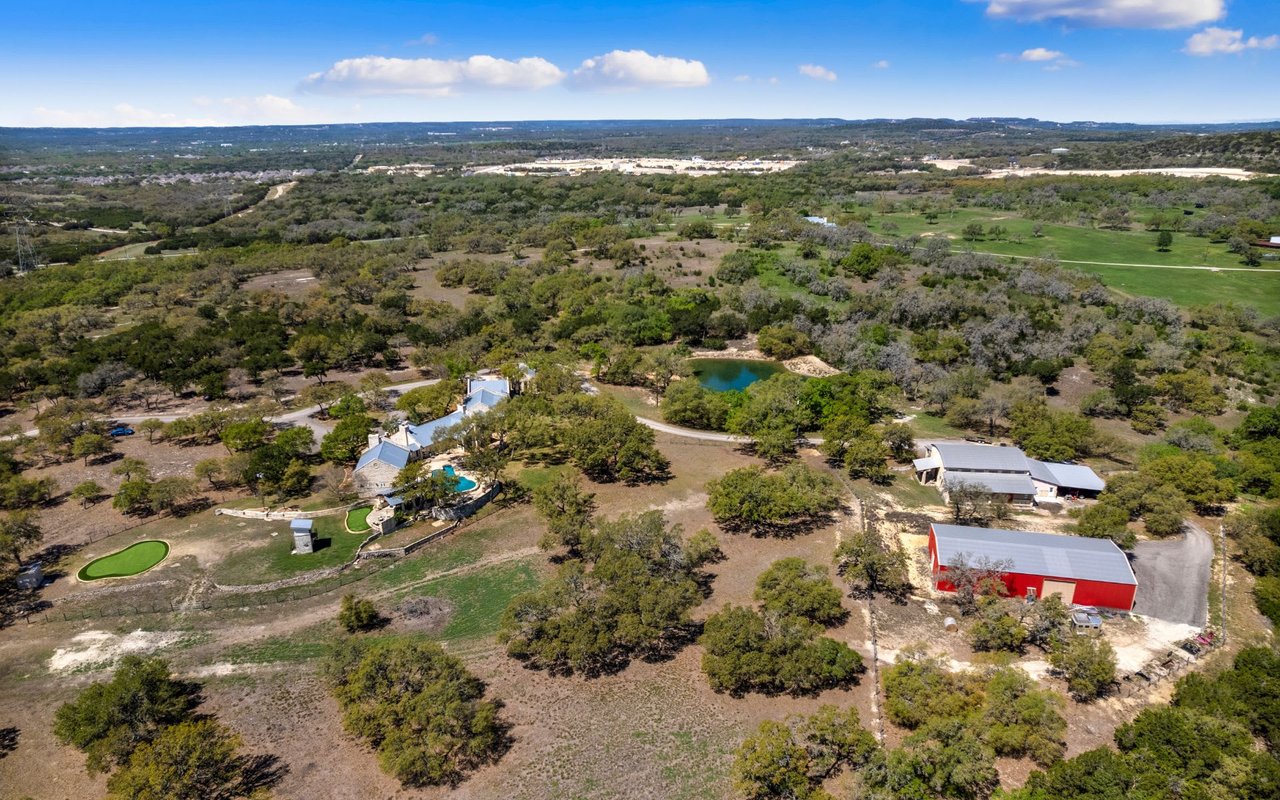
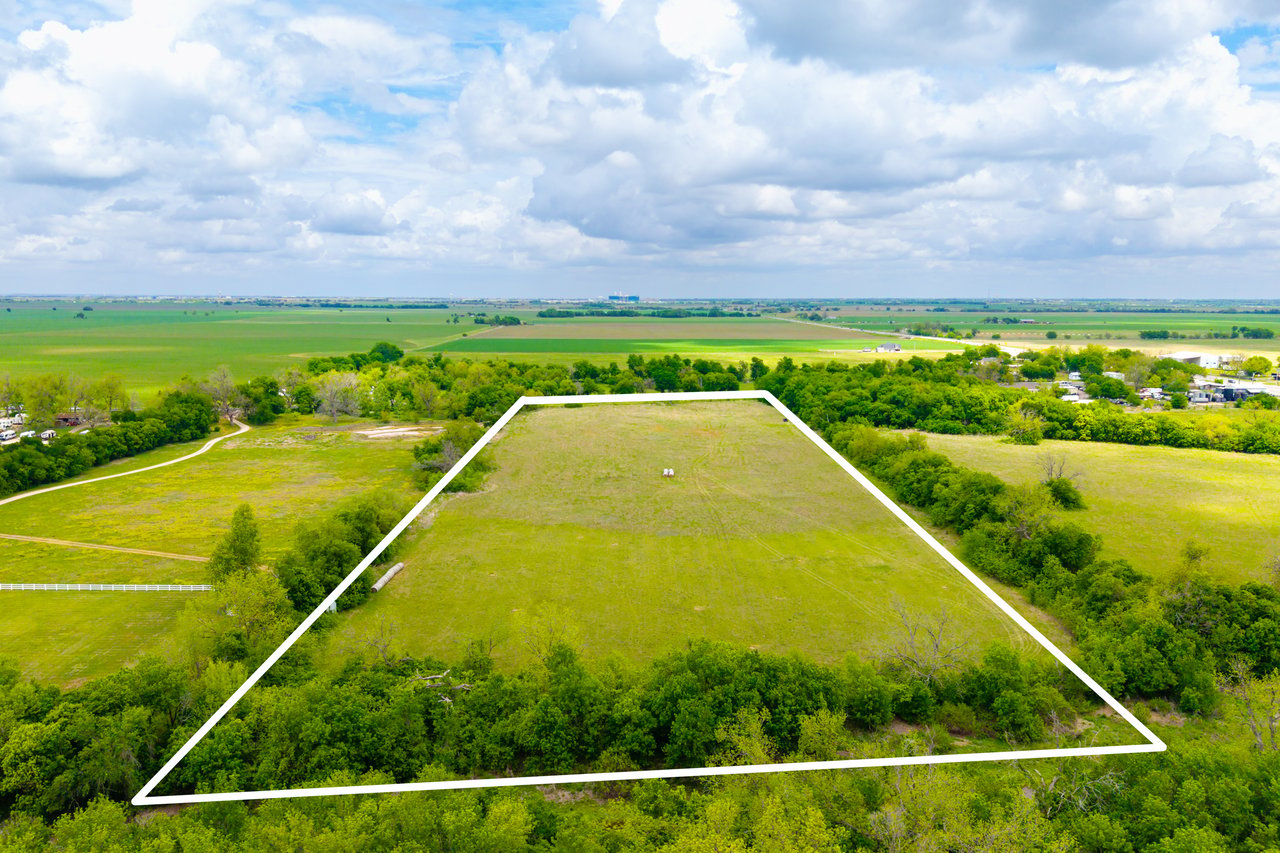
One of the biggest surprises for buyers is realizing that just because a property is advertised as 20 acres doesn't mean all 20 acres are usable.
Before buying land in Texas, you need to evaluate far more than the acreage number on the listing.
Important factors include:
-
Floodplain
-
Topography
-
Easements
-
Access
-
Utilities
-
Soil conditions
-
Building sites
We've seen buyers fall in love with a property online only to discover later that a significant portion lies within a floodplain, or that the terrain makes building substantially more expensive than expected.
This is especially true in the Texas Hill Country, where rolling terrain, creeks, and elevation changes can dramatically impact usability.
Beautiful land and functional land are not always the same thing.
The goal isn't simply to buy acreage. The goal is to buy acreage that supports the lifestyle and long-term plans you have for the property.
2. Restrictions Can Vary Dramatically From Property to Property
Many buyers assume that owning land means they can use it however they choose.
Unfortunately, that's not always the case.
Depending on the property, you may encounter:
-
Deed restrictions
-
CC&Rs (Covenants, Conditions & Restrictions)
-
HOA regulations
-
ETJ requirements
-
Private development restrictions
We've seen buyers assume they could build multiple homes, keep horses, operate a business, park RVs, or create short-term rentals, only to discover those uses were prohibited.
Especially when buying land near Austin or in the Texas Hill Country, every property should be reviewed individually.
Before purchasing acreage, make sure the property allows the activities you intend to pursue.
A little due diligence upfront can prevent costly surprises later.
3. Utilities Matter More Than Most Buyers Realize
One of the biggest adjustments for buyers relocating to rural Texas is understanding utilities.
Unlike a home in a subdivision, many rural properties require buyers to verify:
-
Water availability
-
Well feasibility
-
Septic requirements
-
Electric service
-
Internet access
-
Road access
A common mistake is assuming that because utilities are nearby, connecting to them will be simple.
That's not always the case.
We've seen buyers surprised by the cost of drilling a well, installing a septic system, extending electric service, or upgrading access roads.
Before purchasing land outside Austin, make sure you understand both utility availability and potential costs.
4. Texas Ag Exemptions Don't Automatically Transfer
A Texas ag exemption is one of the most misunderstood aspects of rural property ownership.
Many buyers assume that if a property currently has an agricultural valuation, it will automatically continue after they purchase the property.
That's not necessarily true.
Maintaining a Texas ag exemption may require:
-
Livestock operations
-
Hay production
-
Beekeeping
-
Wildlife management
-
Other qualifying agricultural activities
Requirements vary by county and property type.
If a property no longer qualifies, the valuation can be lost and rollback taxes may apply.
Before purchasing ranch land, horse property, or acreage in the Texas Hill Country, make sure you understand how a Texas ag exemption works and what will be required to maintain it.
5. What Actually Makes Texas Land Valuable?
Many buyers assume land value is determined primarily by acreage.
In reality, the most valuable land near Austin often derives its value from factors such as:
-
Location
-
Road frontage
-
Utility access
-
Water features
-
Privacy
-
Development potential
-
Infrastructure improvements
-
Future growth
For example, acreage near Austin, Dripping Springs, Wimberley, Johnson City, Taylor, Manor, and Hutto often commands premium pricing because of lifestyle appeal, employment growth, infrastructure investment, and long-term demand.
For luxury buyers, privacy is often the ultimate luxury.
You can renovate a house.
You can build a barn.
You can add a guest house.
But you cannot recreate location, views, mature trees, water features, or privacy.
That's why land and location are everything.
The best properties don't just offer acreage. They offer freedom, lifestyle, and the opportunity to create a legacy that can be enjoyed for generations.
Bonus Tip: Work With a Land Specialist
If there's one additional piece of advice we'd give buyers, it's this:
Don't assume every real estate agent is qualified to help you buy land.
Buying land is entirely different than purchasing a home in a subdivision.
Land transactions often involve:
-
Floodplain analysis
-
Easements
-
Utility research
-
Septic feasibility
-
Agricultural valuations
-
Wildlife exemptions
-
Road frontage
-
Development potential
-
Long-term growth considerations
A mistake when purchasing land can be far more expensive than many buyers realize.
Whether you're buying a luxury ranch, horse property, investment tract, recreational property, or acreage to build your dream home, you want an advisor who understands how to evaluate land—not just houses.
The right piece of land can create incredible opportunities, lifestyle benefits, and long-term wealth.
But only if you know what you're buying.
Final Thoughts
Whether you're relocating to Texas, moving from Austin to the country, searching for a luxury ranch in the Texas Hill Country, or investing in land outside Austin, understanding these fundamentals can help you avoid costly mistakes and make a better long-term decision.
Land ownership offers something that's becoming increasingly rare: privacy, freedom, and room to build a legacy for future generations.
The more informed you are before you buy, the more likely you'll find a property that truly aligns with your goals.
About Triple L Realty
Triple L Realty specializes in luxury homes, ranches, farms, horse properties, waterfront property, and land throughout Central Texas. Josh Smith and Marisa Smith help buyers and sellers navigate complex land transactions with a focus on long-term value, strategic positioning, and legacy-building opportunities.
Triple L Realty
Luxury • Lakefront • Land
Who you work with matters — Build Your Legacy Through Land.
Josh Smith | Broker
Marisa Smith | Realtor®
(512) 394-2659
TripleLRealty.com