Minimum Acreage, Deadlines, Qualifications, and How to Maintain Your Valuation
Experience Beyond the Transaction
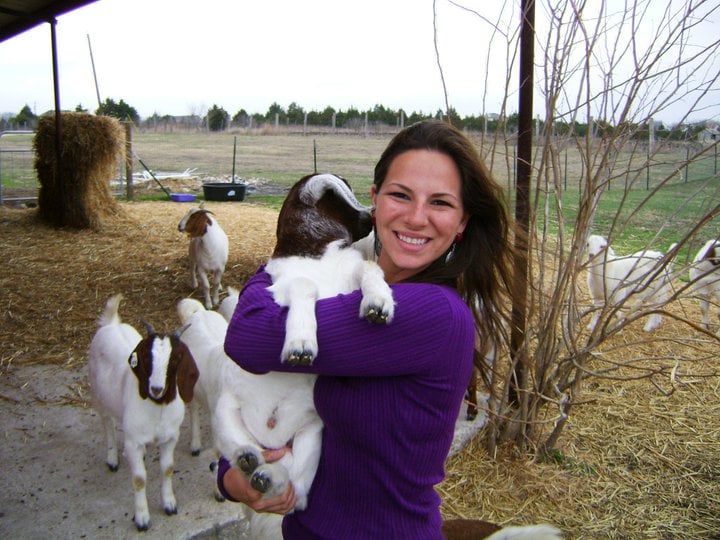
In 2010, Josh and Marisa Smith bought a 15-acre farm in Manor and turned it into a productive, working Boer goat operation—raising show wethers for FFA students and meat goats, growing to nearly 50 head.
While building a real estate career, they were also managing the day-to-day realities of agricultural use—learning firsthand what it takes to qualify for and maintain an agricultural valuation.
Today, that real-world experience—combined with years of land brokerage across Central Texas—gives clients a clear, practical understanding of how these valuations work and how to protect them.
What Is a Land Tax “Exemption” in Texas?
In Texas, agricultural and wildlife designations are not traditional exemptions—they are special valuations based on productivity, governed by the Texas Comptroller of Public Accounts.
Instead of being taxed on market value, land is taxed on its agricultural productivity value—often resulting in substantial tax savings.
Agricultural Valuation (Ag Exemption)
What It Is
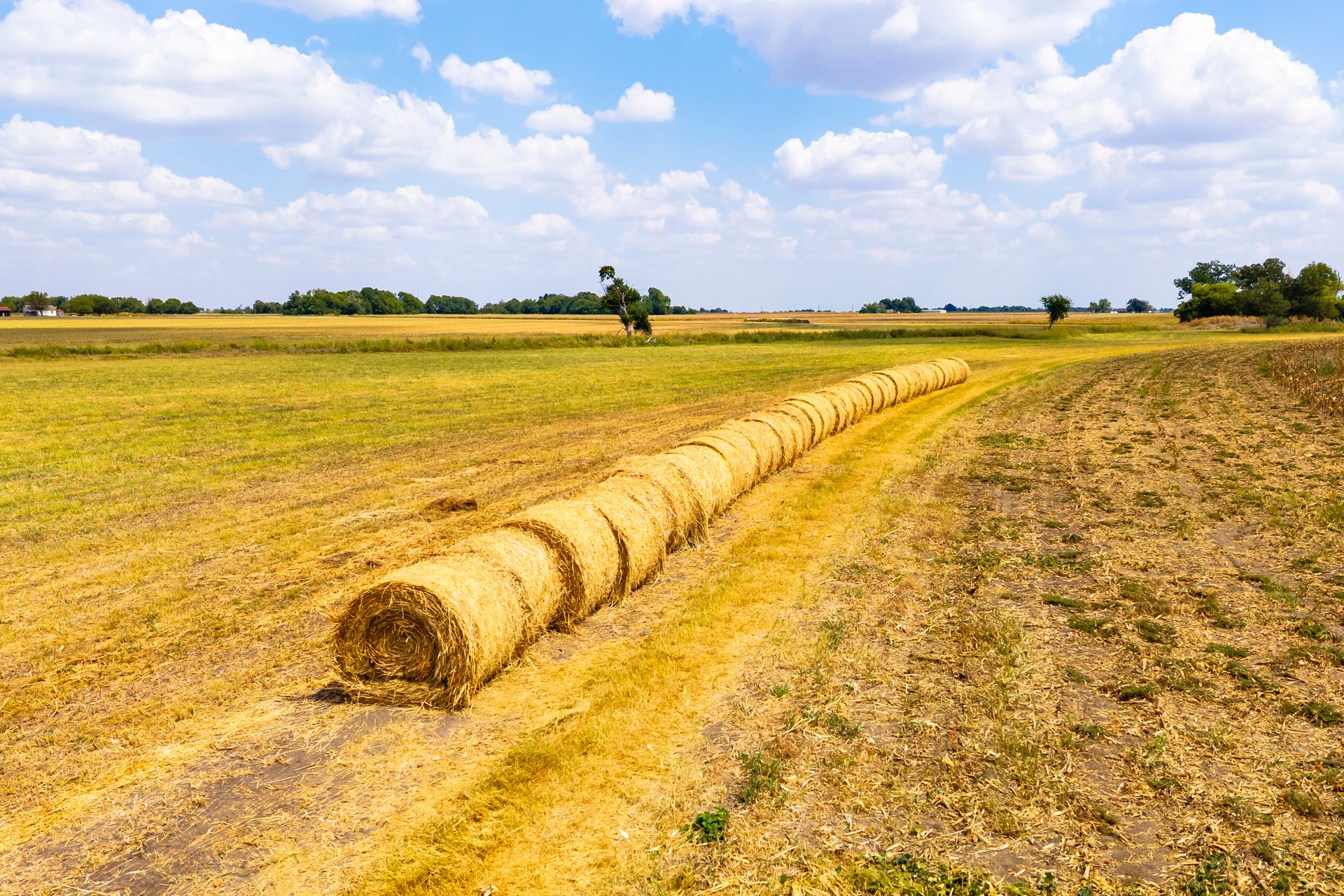
Agricultural valuation allows land actively used for agriculture to be taxed based on productivity value rather than market value.
Minimum Acreage (Central Texas Guidelines)
Minimum acreage varies by county, but typical ranges include:
-
Cattle grazing: ~10–20+ acres
-
Hay production: ~10–20 acres
-
Sheep/goats: ~10–15 acres
-
Crop production: typically 10+ acres
-
Beekeeping:
-
5–20 acres total
-
Minimum ~5 acres dedicated
-
Required hive counts based on acreage
-
👉 Beekeeping is often the most practical option for smaller tracts.
Qualification Requirements
To qualify, landowners must:
-
Meet county minimum acreage requirements
-
Demonstrate degree of intensity (typical use for the area)
-
Show 5 of the past 7 years of agricultural use
-
Apply through the local appraisal district (example: Hays Central Appraisal District)
Deadline to File
-
April 30 each year
-
Late applications may be accepted with penalties
How to Maintain It
-
Keep land in active agricultural use annually
-
Maintain appropriate stocking or production levels
-
Keep documentation (leases, receipts, photos)
-
Avoid inactivity or underuse
Don’t Want to Manage Livestock? You Still Have Options
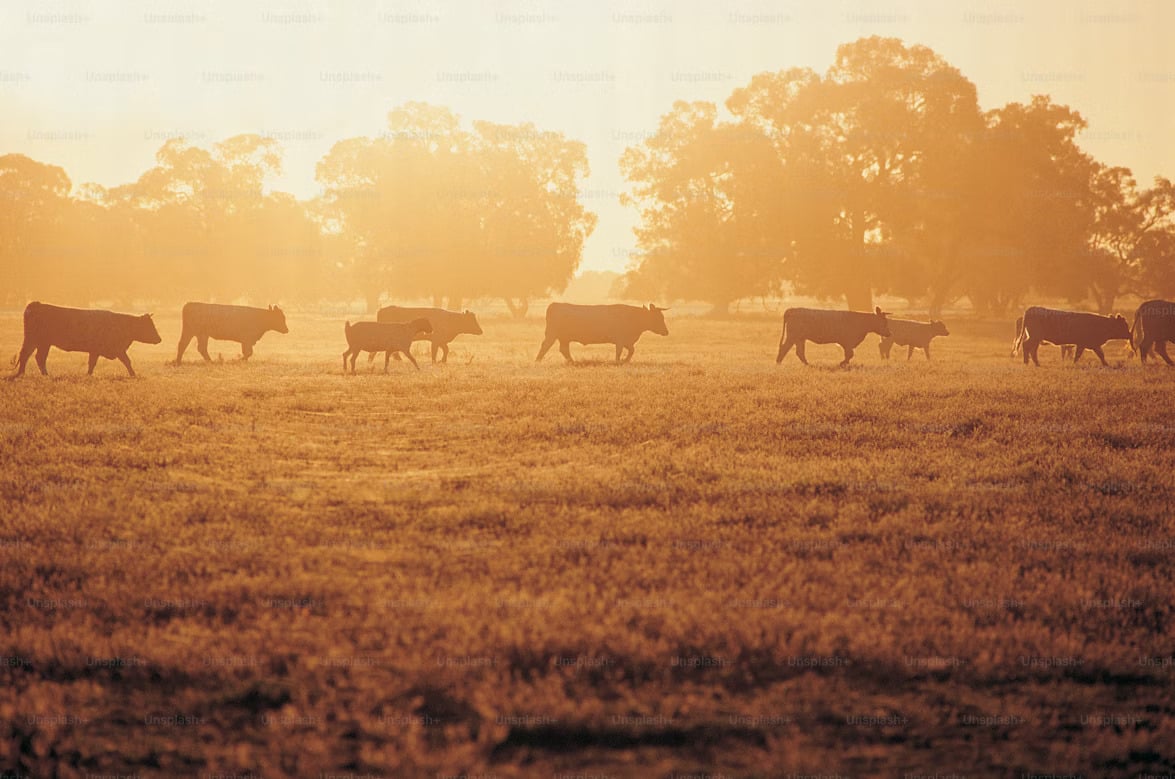
Maintaining an ag valuation does not require managing livestock yourself.
Grazing Leases
Lease your land to a rancher who runs livestock—keeping the property in active agricultural use.
Hay Production
Local operators can cut and bale hay with minimal involvement.
Beekeeping Services
Companies can install and manage hives, making this a strong option for smaller acreage.
Wildlife Valuation (Wildlife Exemption)
What It Is
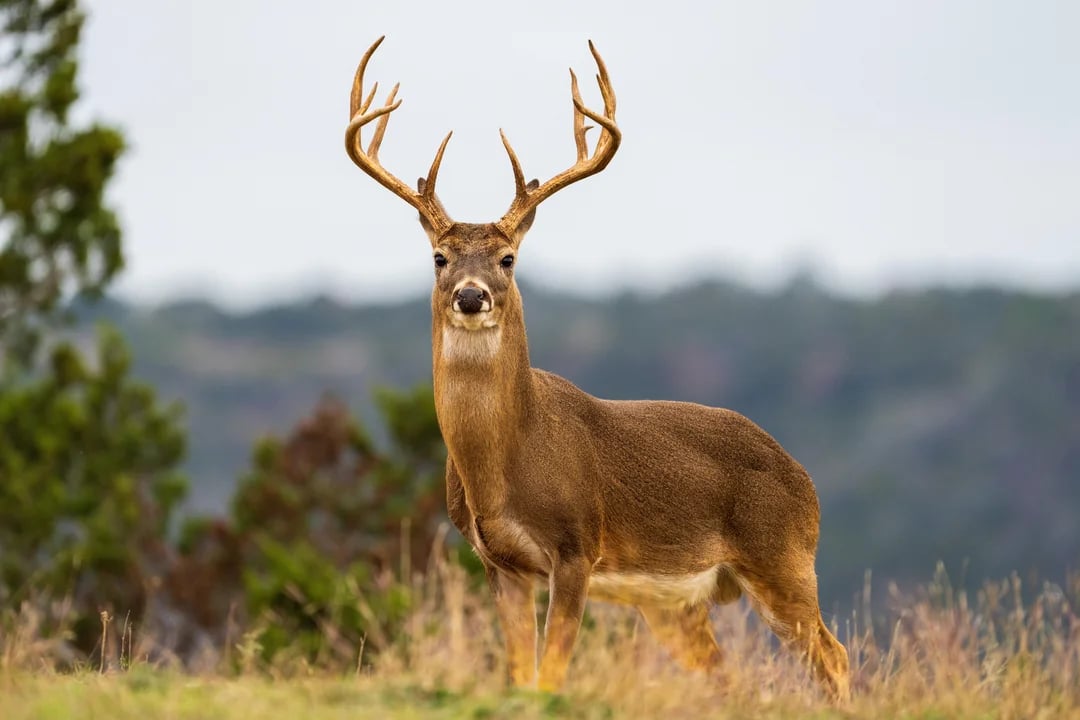
Wildlife valuation allows landowners to maintain their agricultural valuation by converting to wildlife management.
👉 You must already have ag valuation in place first.
Minimum Acreage
-
Must meet the same minimum acreage as agricultural valuation
-
No separate minimum is created for wildlife
Qualification Requirements
Landowners must implement at least 3 of 7 wildlife management practices, such as:
-
Habitat control
-
Erosion control
-
Predator management
-
Supplemental food or water
-
Shelter and nesting areas
-
Wildlife population tracking
A Wildlife Management Plan must be submitted and approved.
Deadline to File
-
April 30
How to Maintain It
-
Perform and document wildlife practices annually
-
Maintain compliance with county standards
-
Update plans as required
Hands-Off Wildlife Management Options
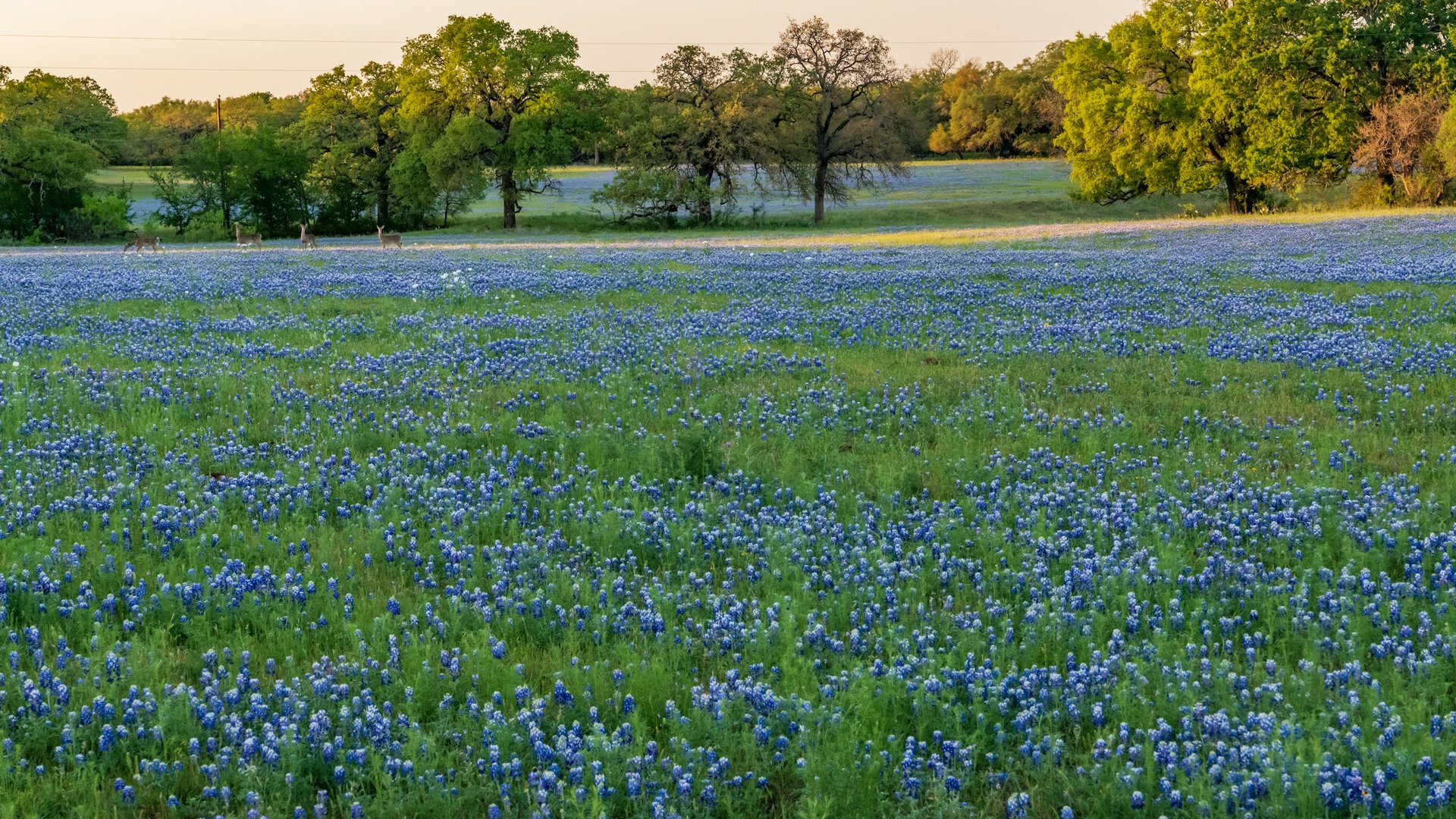
There are third-party providers who:
-
Develop and manage your Wildlife Management Plan
-
Perform required improvements
-
Maintain documentation for compliance
👉 For recommendations in Central Texas, reach out—we maintain a network of trusted providers.
What Happens If You Lose Your Valuation?
Loss of agricultural or wildlife valuation can trigger rollback taxes:
-
Typically 5 years of prior tax savings
-
Plus interest
-
Triggered by change of use or non-compliance
Common Mistakes Landowners Make
-
Assuming small acreage automatically qualifies
-
Not meeting intensity requirements
-
Letting land sit idle
-
Missing the April 30 deadline
-
Failing to document activity
-
Subdividing below minimum acreage
Why This Matters in Central Texas
For buyers:
-
Confirm valuation status before purchasing
-
Understand ongoing requirements
For sellers:
-
Proper valuation increases marketability and value
-
Poor management can reduce buyer demand
About Triple L Realty Group
Triple L Realty Group
Luxury • Lakefront • Land
Build Your Legacy Here
Triple L Realty Group specializes in land brokerage across Central Texas, with a focus on large-acreage, development, and investment properties. The team operates with a clear understanding that land is more than a transaction—it is a long-term asset that builds wealth, shapes lifestyle, and creates legacy.
With deep expertise across development corridors, ranch land, and luxury acreage, properties are evaluated, marketed, and positioned based on their highest and best use—ensuring alignment with the right buyer and the right opportunity.
Josh Smith, Broker, focuses on land, commercial transactions, and development strategy—structuring and negotiating high-value deals that maximize price per acre and long-term return.
Marisa Smith, Realtor®, specializes in luxury acreage, farms, ranches, and equestrian properties, bringing a lifelong connection to the land and a refined understanding of both lifestyle and investment value.
The team works with developers, investors, ranch owners, luxury buyers, and out-of-state clients to:
-
Sell land for maximum price per acre
-
Position properties to attract developers and institutional buyers
-
Identify high-growth land opportunities ahead of the market
-
Find land and properties that align with lifestyle and passion—equestrian, livestock, hunting, or waterfront
Who you work with matters. Choose proven land experts. Build your legacy here.