How to Choose the Right Property for Development, Ranching, Luxury Living, or Investment—and Avoid Costly Mistakes in Today’s Market
Introduction
In Central Texas, land is attracting a wide range of buyers—developers, investors, ranch families, luxury homebuyers, and out-of-state purchasers alike.
But many approach it the same way: evaluating land based on what looks appealing rather than what actually performs for their intended use.
That’s where costly mistakes are made.
The best ranch property is often the wrong development tract.
The best development land may have little appeal for recreational use.
Understanding that distinction is what separates a smart acquisition from an expensive lesson.
A Market Driven by Multiple Buyer Types

Growth across Austin and surrounding corridors—particularly near Taylor and Hutto—has created a unique dynamic: different buyer types competing for the same land, but valuing it in very different ways.
Major employers such as Samsung Electronics and Applied Materials continue to drive demand for housing, infrastructure, and long-term land investment.
At the same time, buyers are drawn to Central Texas for space, privacy, and a land-based lifestyle.
Same land. Different goals.
Highest and Best Use Drives Everything
Every property has a highest and best use. That use determines:
-
Who the buyer is
-
What the property is worth
-
How it should be marketed
-
Its long-term potential
Evaluating land outside of that framework often leads to overpaying—or missing the opportunity altogether.
When the “Right” Features Become the Wrong Ones
Water Features & Floodplain

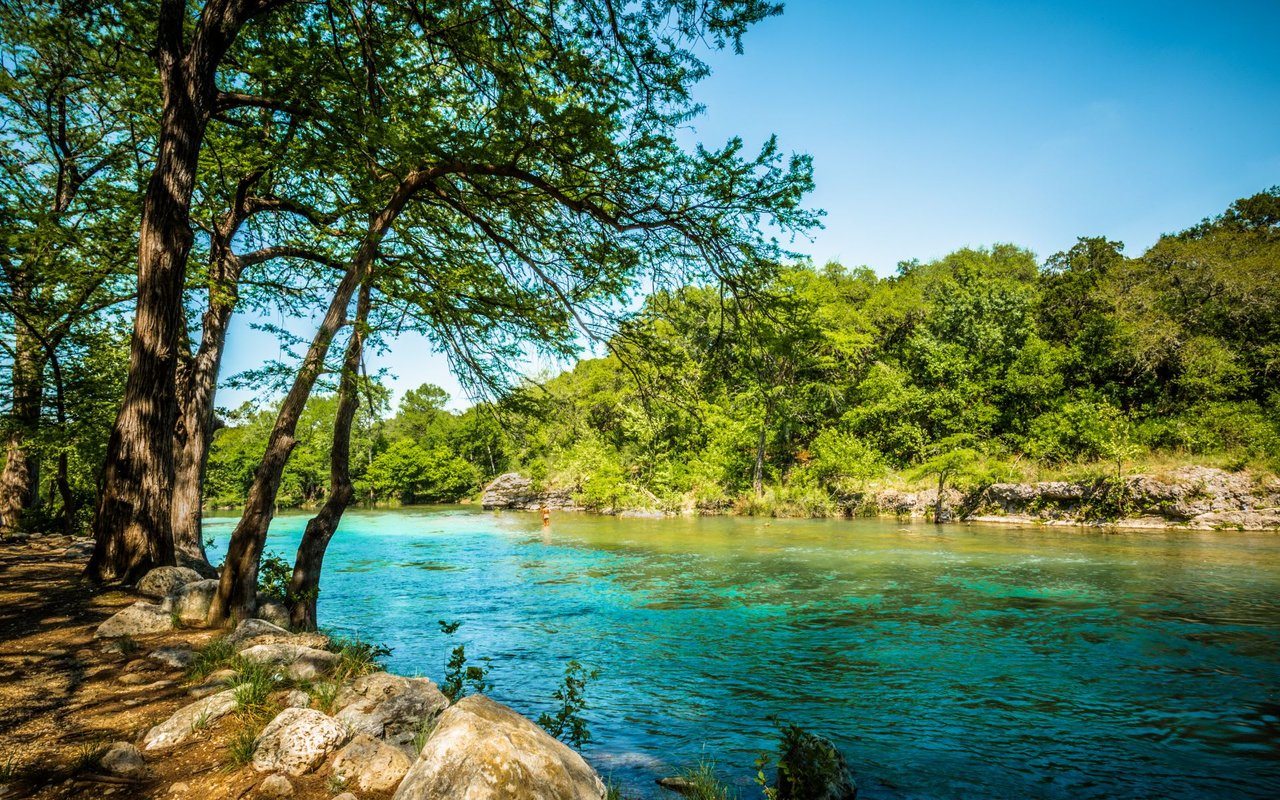
For ranch and recreational buyers, water is a major asset. Creeks, ponds, and even floodplain areas can enhance wildlife, usability, and privacy.
For development, those same features often reduce usable acreage, limit density, and introduce additional engineering costs.
What enhances lifestyle can constrain development.
Topography & Tree Cover
Rolling terrain and mature trees are highly desirable for ranch and luxury buyers. They create views, character, and privacy.
For development, uneven topography and dense vegetation increase costs and reduce efficiency in layout and construction.
Deed Restrictions
Restrictions can protect value and maintain consistency for residential and luxury properties.
For commercial or investment use, they can limit flexibility, restrict density, and in some cases eliminate development potential altogether.
Utilities
For recreational land, limited infrastructure may be acceptable.
For development, utilities—particularly water and wastewater—are critical. Without them, feasibility quickly becomes a challenge.
Property Taxes: Ag Valuation and Rollback

Many properties benefit from what is commonly referred to as an agricultural valuation. This allows land to be taxed based on productivity rather than market value.
Qualifying uses can include cattle grazing, hay production, wildlife management, and beekeeping.
For ranch and recreational buyers, this can significantly reduce the cost of ownership and make large acreage more feasible to hold long term.
However, when land use changes—particularly when transitioning to residential or commercial development—rollback taxes may apply.
This typically involves recapturing the difference between agricultural valuation and market value over the previous five years, plus interest.
For investors and developers, this is not necessarily a deterrent—but it is a cost that must be accounted for early.
Understanding Buyer Priorities
Different buyers approach land with different objectives:
-
Commercial & Development Buyers: Focus on infrastructure, access, and efficiency
-
Investors (including out-of-state buyers): Prioritize growth, timing, and long-term appreciation
-
Ranch, Farming & Hunting Buyers: Value water, usability, and privacy
-
Luxury & Equestrian Buyers: Seek lifestyle, location, and long-term value—often in areas like Dripping Springs
Where Opportunity Exists
Some properties are overlooked because they don’t neatly fit one category.
Too rugged for development. Too close to growth for traditional ranch use.
When evaluated correctly, these properties can present strong strategic opportunities—especially for buyers who understand how surrounding areas are evolving.
Common Mistakes to Avoid
-
Buying land based on appearance rather than intended use
-
Overlooking utilities and infrastructure
-
Not fully understanding restrictions
-
Assuming all land near growth will be developable
-
Failing to account for rollback taxes
Choosing the Right Land
The decision comes down to one question:
Are you buying land to use—or to convert?
Land intended for lifestyle or legacy ownership should be evaluated differently than land intended for development or investment.
Applying the same criteria to both is where most missteps occur.
Frequently Asked Questions
What type of land is best for investment in Central Texas?
Land located in the path of growth—near infrastructure, major employers, and expanding corridors—typically offers the strongest long-term potential.
Is recreational or hunting land a good investment?
It can be a strong long-term hold, especially when it offers water, wildlife, and privacy. While appreciation may be slower than development land, it often retains value well.
What is an ag exemption in Texas?
An agricultural valuation allows land to be taxed based on productivity rather than market value. Common uses include cattle, hay, wildlife management, and beekeeping.
What are rollback taxes?
Rollback taxes apply when land under agricultural valuation is converted to a non-ag use. The owner may owe the difference in taxes over the previous five years, plus interest.
Is floodplain land bad to buy?
Not necessarily. It can enhance recreational value but typically limits development potential.
What do out-of-state buyers often overlook?
Utilities, property taxes, exemptions, and how development progresses in specific corridors.
People Also Search For
-
Best land to buy in Central Texas for investment
-
Buying land near Austin Texas pros and cons
-
Texas ranch land vs development land
-
Is hunting land a good investment in Texas
-
What qualifies for ag exemption in Texas
-
Rollback taxes Texas land explained
-
How to buy land in Texas as an out-of-state buyer
-
Central Texas land investment opportunities
-
What to look for when buying acreage in Texas
-
Is floodplain land bad in Texas
About Triple L Realty Group
Triple L Realty Group
Luxury • Lakefront • Land
Build Your Legacy Here
Triple L Realty Group specializes in land brokerage across Central Texas, with a focus on large-acreage, development, and investment properties. The team operates with a clear understanding that land is more than a transaction—it is a long-term asset that builds wealth, shapes lifestyle, and creates legacy.
With deep expertise across development corridors, ranch land, and luxury acreage, properties are evaluated, marketed, and positioned based on their highest and best use—ensuring alignment with the right buyer and the right opportunity.
Josh Smith, Broker, focuses on land, commercial transactions, and development strategy—structuring and negotiating high-value deals that maximize price per acre and long-term return.
Marisa Smith, Realtor®, specializes in luxury acreage, farms, ranches, and equestrian properties, bringing a lifelong connection to the land and a refined understanding of both lifestyle and investment value.
The team works with developers, investors, ranch owners, luxury buyers, and out-of-state clients to:
-
Sell land for maximum price per acre
-
Position properties to attract developers and institutional buyers
-
Identify high-growth land opportunities ahead of the market
-
Source and secure properties that align with each client’s lifestyle and passions—including equestrian estates, livestock operations, hunting land, and waterfront properties
Each property is approached strategically—not simply listed, but positioned to perform in today’s evolving market.
📞 (512) 394-2659
🌐 TripleLRealty.com
Who you work with matters. Choose proven land experts. Build your legacy here.