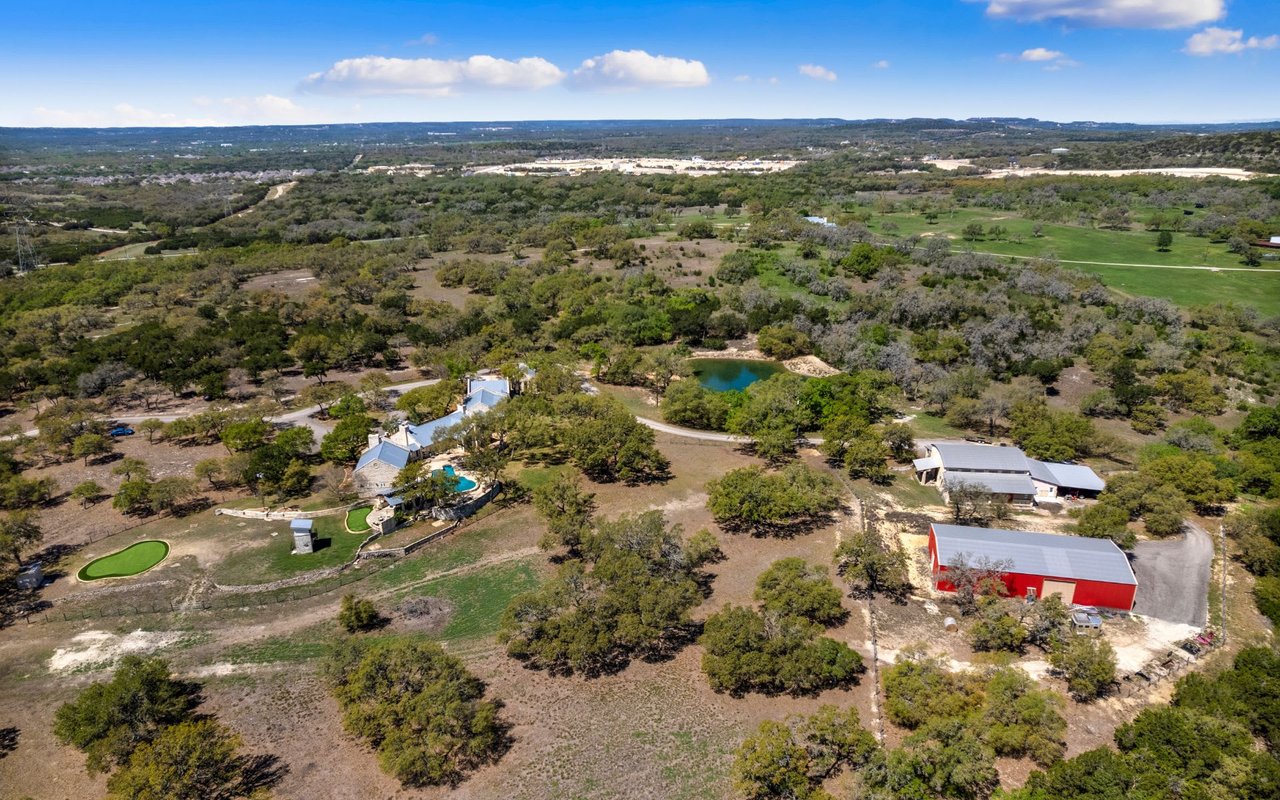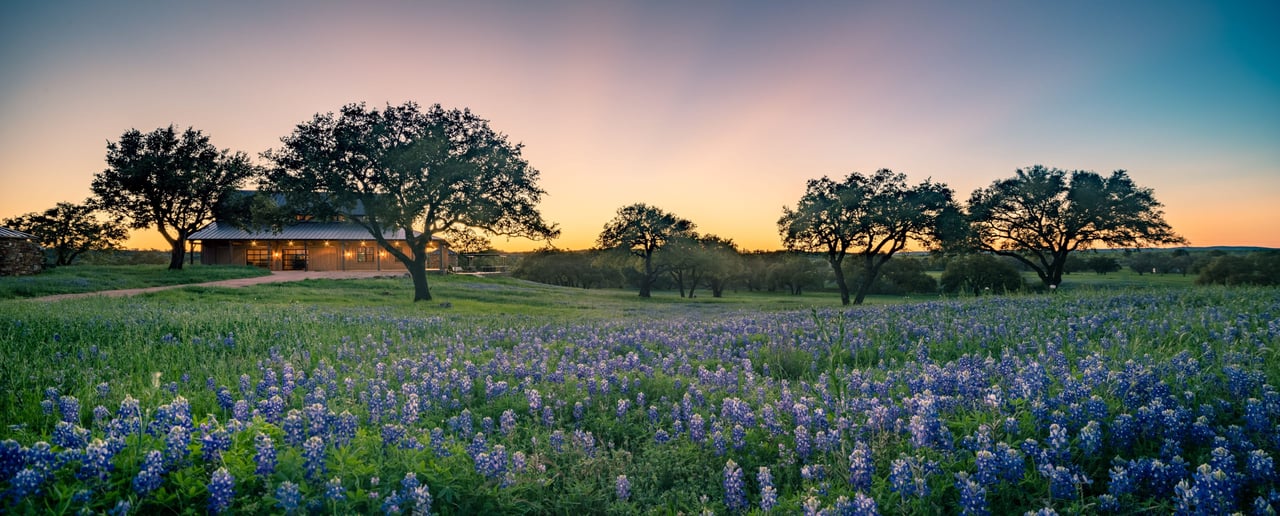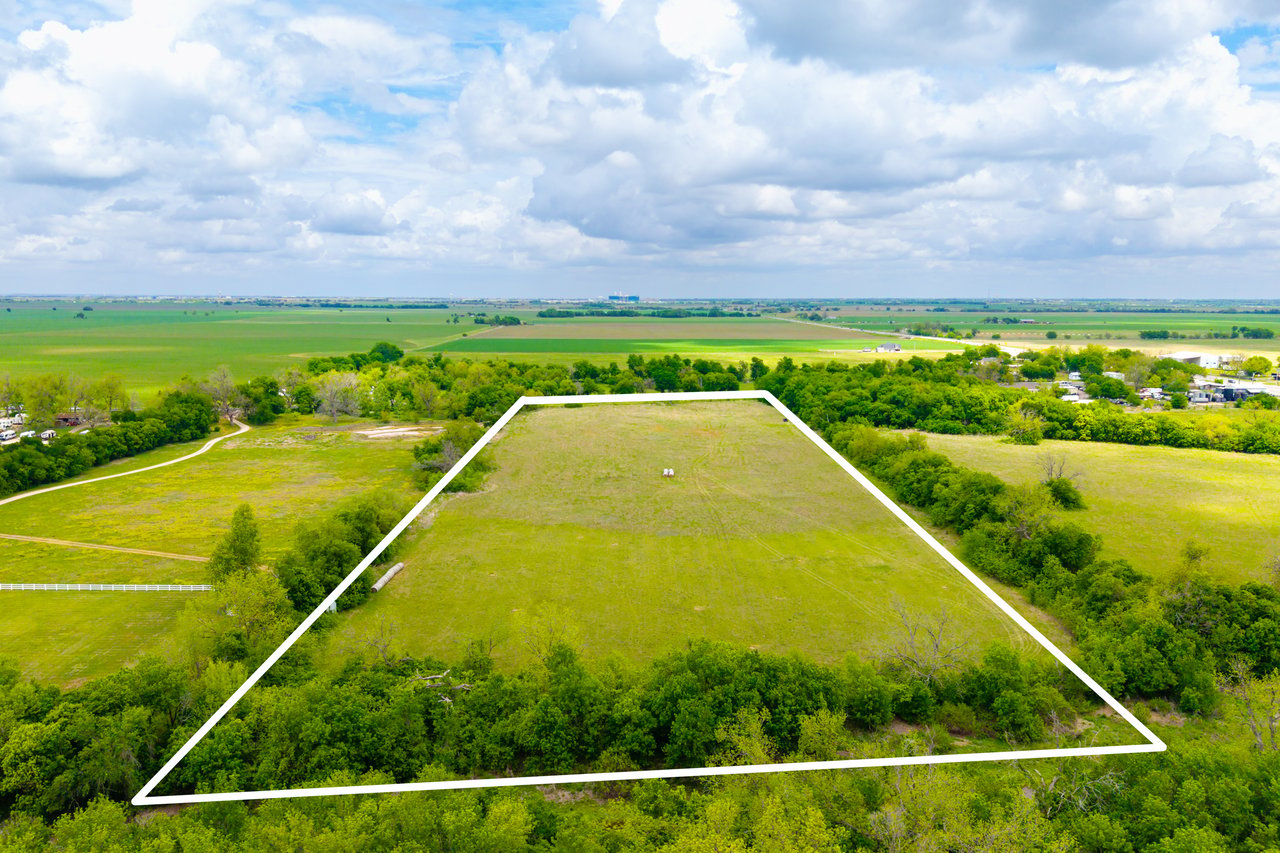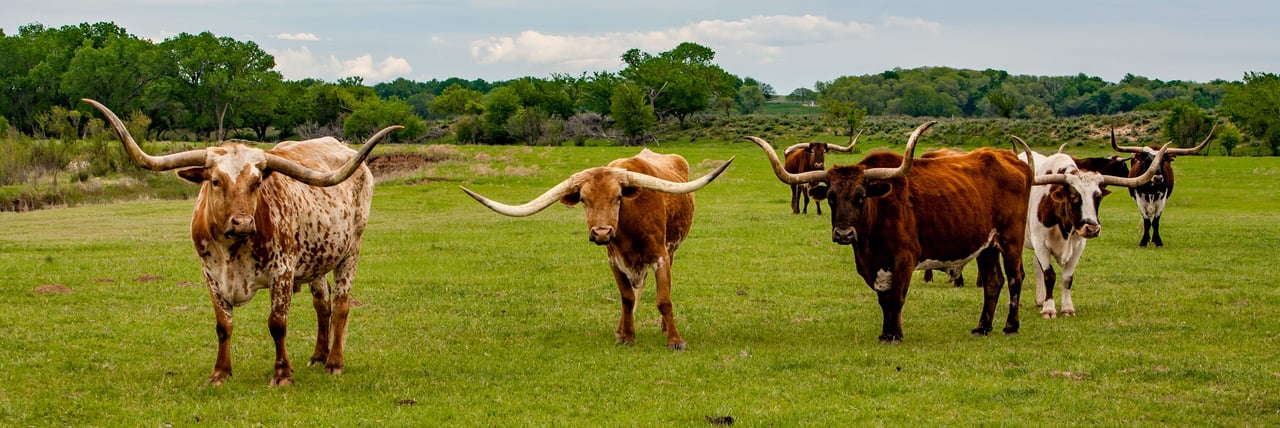
Buying land near Austin is very different from buying a house in a subdivision.
Whether you're purchasing a Texas Hill Country ranch, an equestrian property, recreational acreage, or investment land near Austin, you're not simply buying a home.
You're buying land, rights, improvements, potential income streams, future development opportunities, and long-term control of an asset that cannot be recreated.
That's why the Texas Farm & Ranch Contract is fundamentally different from a traditional residential real estate contract.
Before purchasing land, buyers should familiarize themselves with the official Texas Farm & Ranch Contract available through the Texas Real Estate Commission:
https://www.trec.texas.gov/forms/farm-and-ranch-contract
Understanding what you're signing can help you avoid costly mistakes and make more informed decisions throughout the buying process.
Land Purchases Are Different Than Buying a Home
Many buyers approach land transactions the same way they approach residential purchases.
That can be a mistake.
When purchasing land, you're evaluating far more than the improvements on the property.
You're also evaluating:
- Boundaries and acreage
- Water availability
- Access
- Agricultural exemptions
- Existing leases
- Easements
- Mineral rights
- Floodplain considerations
- Future land use restrictions
For buyers searching for ranches near Austin or acreage in the Texas Hill Country, these factors often matter more than the structures themselves.
What Comes With the Property?
One of the biggest misconceptions among land buyers is assuming everything on the property automatically conveys with the sale.
The Farm & Ranch Contract defines property much more broadly than many buyers expect.
The transaction may include:
- Land
- Homes and other structures
- Barns
- Fences
- Corrals
- Gates
- Water improvements
- Existing crops
However, certain items may need to be specifically addressed within the contract.
Never assume an item stays with the property simply because it is present during a showing.
The Hidden Issue Many Buyers Overlook: Accessories
One of the most common areas of confusion involves farm and ranch accessories.
Items such as:
- Hunting blinds
- Feeders
- Livestock equipment
- Fuel tanks
- Irrigation systems
- Pumps and pressure systems
- Portable structures
may not automatically convey with the property.
If an item is important to your purchase decision, make sure it is specifically addressed in the contract.
Existing Leases Can Impact Your Plans
Many Texas ranches and acreage properties have existing agreements already attached to the land.
These may include:
- Grazing leases
- Hunting leases
- Agricultural agreements
- Recreational leases
- Wind energy leases
- Solar leases
Buyers are often surprised to learn they may inherit certain obligations associated with these agreements.
Before closing, it is critical to understand exactly what rights and responsibilities transfer with the property.
Mineral Rights Matter More Than Most Buyers Realize
In Texas, it is extremely common for sellers to retain:
- Mineral rights
- Oil and gas rights
- Water rights
A buyer can own the surface while having little or no control over the resources below it.
For buyers purchasing land near Austin or in the Texas Hill Country, understanding what rights are included in the transaction is an essential part of due diligence.
Why Surveys Are Critical When Buying Land
A survey is one of the most important documents involved in a land transaction.
A current survey helps establish:
- Boundary lines
- Actual acreage
- Access points
- Encroachments
- Easements
Many buyers assume the acreage advertised in a listing is exact.
In reality, the survey determines what is actually being conveyed.
On larger tracts, even a small discrepancy can have a significant impact on value.
Deed Restrictions Can Affect Future Plans
Many buyers purchase land with a vision for how they intend to use it.
Unfortunately, some discover after closing that deed restrictions limit those plans.
Restrictions may affect:
- Building additional homes
- Commercial activity
- Livestock operations
- Short-term rentals
- Property subdivision
- Agricultural activities
This is why reviewing title commitments, easements, and restrictions during the contract period is so important.
Floodplain Considerations for Texas Hill Country Land
Floodplains are common throughout the Austin area and Texas Hill Country.
That does not necessarily make a property undesirable.
However, buyers need to understand how floodplain areas may impact:
- Building locations
- Insurance costs
- Future development
- Property usability
You can review FEMA floodplain maps here:
https://msc.fema.gov
A property may still be an excellent investment, but buyers should fully understand how floodplain designations affect their intended use.
Agricultural Exemptions and Rollback Taxes
Many acreage properties near Austin benefit from agricultural or wildlife tax exemptions.
These exemptions can dramatically reduce annual property taxes.
However, buyers should understand that changing the use of the property may trigger rollback taxes.
Rollback taxes can include:
- Previously saved taxes
- Penalties
- Interest
For additional information regarding agricultural exemptions, visit:
https://agrilifeextension.tamu.edu
For larger ranches and acreage properties, these costs can be significant.
Why Experienced Land Representation Matters
Most land transactions don't encounter problems because of price.
They encounter problems because buyers fail to identify issues during due diligence.
The most successful land buyers work with professionals who understand:
- Water
- Access
- Easements
- Mineral rights
- Agricultural exemptions
- Land values
- Future growth patterns
- Contract negotiations
Land is a specialized asset class, and buying it requires a different level of expertise than purchasing a traditional home.
Final Thoughts
You can always improve a house.
You can remodel it, expand it, or rebuild it entirely.
But you cannot move your land.
You cannot recreate its location.
And you cannot manufacture privacy once surrounding development arrives.
That's why land and location are everything.
If you're considering purchasing acreage, a ranch, horse property, or investment land near Austin, browse available properties at:
Or contact Triple L Realty directly:
https://triplelrealty.com/contact-us
At Triple L Realty, Josh Smith and Marisa Smith specialize in ranches, farms, equestrian properties, luxury acreage estates, and investment land throughout the Austin area and Texas Hill Country.
Because land and privacy are the ultimate luxury.